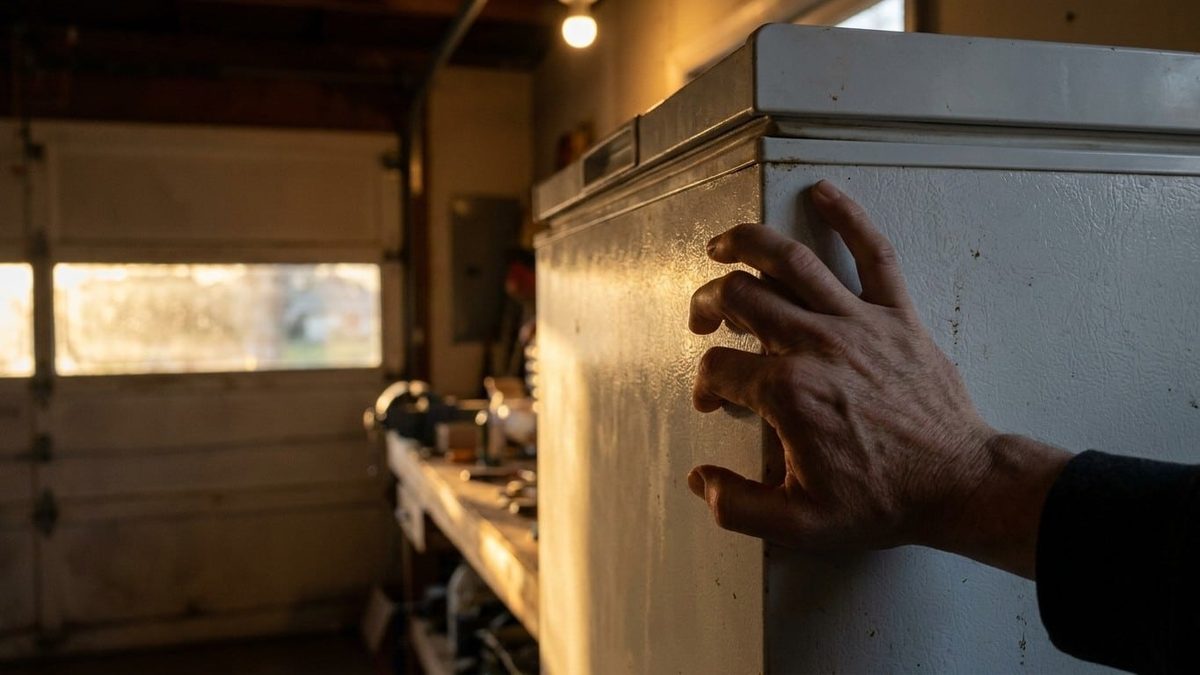
Your palms burn when you touch the freezer walls. This happens even when the machine seems fine. You check it at the hottest part of the day. It reveals a problem most homeowners ignore. Your garage exceeds the temperature limit. The compressor runs full blast. It never catches up.
The simple act of touching the side tells you everything. If the flank is warm at 4 PM, the condenser is failing. It sits at the back or sides. It cannot evacuate heat from the tub. The machine works in a vacuum. You are paying for effort with zero results.
The Climate Class Trap
Every freezer has a climate class. It is written on the nameplate inside. Buyers rarely check it. This data defines the ambient temperature range. A standard model like N or SN belongs in a tempered kitchen. It does not belong in a south-facing garage.
Most freezers sold in France use class ST. This tolerates up to 38°C ambient. Some use SN-T. This goes up to 43°C. In hot regions like PACA, Occitanie, or Corsica, you need these classes. Especially if your kitchen lacks air conditioning.
A poorly insulated garage under a tin roof tells a different story. Afternoon sun pushes temperatures past these thresholds. The appliance becomes an inefficient heat pump. It simply cannot win.
The Cost of Continuous Running
Once ambient temperature goes off-range, the mechanism drags on. The motor runs permanently. It tries to cool the tub. It fails. The thermostat demands cold. The compressor obeys. The gap with outside air is too large. The cycle never ends.
Your electric bill suffers immediately. A compressor running 24/7 is an electric pump. Consumption explodes. A unit that once cycled every fifteen minutes now runs continuously. This lasts for hours during a heatwave. The annual difference adds up. It counts in dozens of euros. Sometimes more.
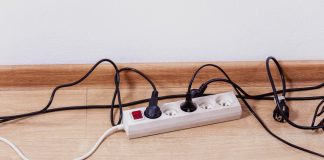
There is a lesser risk. It is insidious. The electrical circuit heats up. Conductors overheat. A socket under continuous load warms up. This is dangerous with old wall wiring. Garage installations can be decades old. This is not just about saving frozen food. It is about safety.
Premature aging follows. The compressor is pushed to its limits all summer. Mechanical parts wear out fast. Oil degrades in the heat. Seals fatigue. This leads to a definitive breakdown. Usually in peak summer. The worst time to lose a full freezer.
Where to Look for Answers
Start with the label inside the door. Find the climate class code. Check the max ambient temperature. If your garage hits 40°C, you have a mismatch.
Test the walls during the heat of the day. Touch the side panels. Warmth means the condenser is struggling. You need better ventilation or a cooler location.
Check the electricity usage. Look for spikes during summer months. High bills signal a struggling compressor.
Old wiring in garages is a hidden hazard. Continuous load heats conductors. This increases fire risk. Inspect the outlet and plug. If they feel hot, stop using the unit.
There is no perfect balance. Heat wins in a closed garage. You must move the freezer or improve the environment.
Can You Insulate a Garage for Appliances?
Insulation helps. It slows heat transfer. It does not solve the core issue. A garage is not a conditioned space. Solar gain overwhelms insulation in summer. You might buy time. You cannot stop the heat.
Which Climate Class Is Best for Garages?
Class SN-T is the best option. It handles up to 43°C. This covers most European summers. Standard N or SN classes fail quickly in garages. Always verify the plate before installation.
How to Identify Overheating Components?
Touch the walls. Feel the plug. Monitor the bill. These three steps reveal the strain. The compressor runs longer than usual. The walls radiate heat. The outlet warms up.
The solution is often simple. Move the unit. Improve airflow. Accept the limitation of the space. The heat does not care about your plans. It just gets hotter.
Check the climate class on the label first
Before you panic, look at the sticker. It tells you exactly what heat the unit can handle. Look for the climate class. Many French garages hit 38 °C in summer. If your garage faces south or has a metal roof, it gets hot fast. Devices marked N or SN won’t survive there. You need a higher rating.
Give the condenser room to breathe
Airflow matters as much as the label. Don’t shove the freezer against a wall. Leave 5 cm of space on all sides. Heat needs to escape. If the back coil touches a hot metal sheet, the compressor works harder. It struggles to dissipate heat. Even a perfect climate class fails if the air can’t move.
Vacuum the condenser twice a year
Most people ignore the condenser. It’s the part that kicks out heat. Dust blocks it. Dirty coils mean poor cooling. Grab a vacuum attachment. Clean the back of the unit twice a year. It takes five minutes. The payoff? Extra margin during a heatwave. Your freezer stays cold with less effort.
Use a connected probe thermometer
Stop guessing. Buy a probe thermometer. Digital models with memory record highs and lows. Some send alerts to your phone. You get a warning before food thaws. No more discovering a pool of water when you return from vacation. It’s cheap insurance.
Buy for the garage, not the kitchen
Some brands make units for unheated spaces. They handle winter cold and summer heat. Look for a max ambient temperature of 38 °C or higher. This spec matters more than drawer count or door color. It determines longevity. Check the specs before buying. Don’t assume a kitchen freezer works in a garage.