


Spring evenings are cold. The sun dips below the horizon way too early. You step outside and realize your driveway is pitch black. It feels vulnerable. Your instinct is to check if the gate or the garage door is visible from the street. Most people freeze in that moment of uncertainty.
But there is a fix. It costs almost nothing. You don’t need an electrician. You don’t need to drill through walls.
Gifi, the French discount retailer, is selling a fake solar-powered camera with a motion-activated floodlight for just 12.95 euros. It creates immediate psychological pressure on potential intruders. The goal isn’t to record evidence. It is to make criminals think twice before breaking in.
The Psychology of the Fake Camera
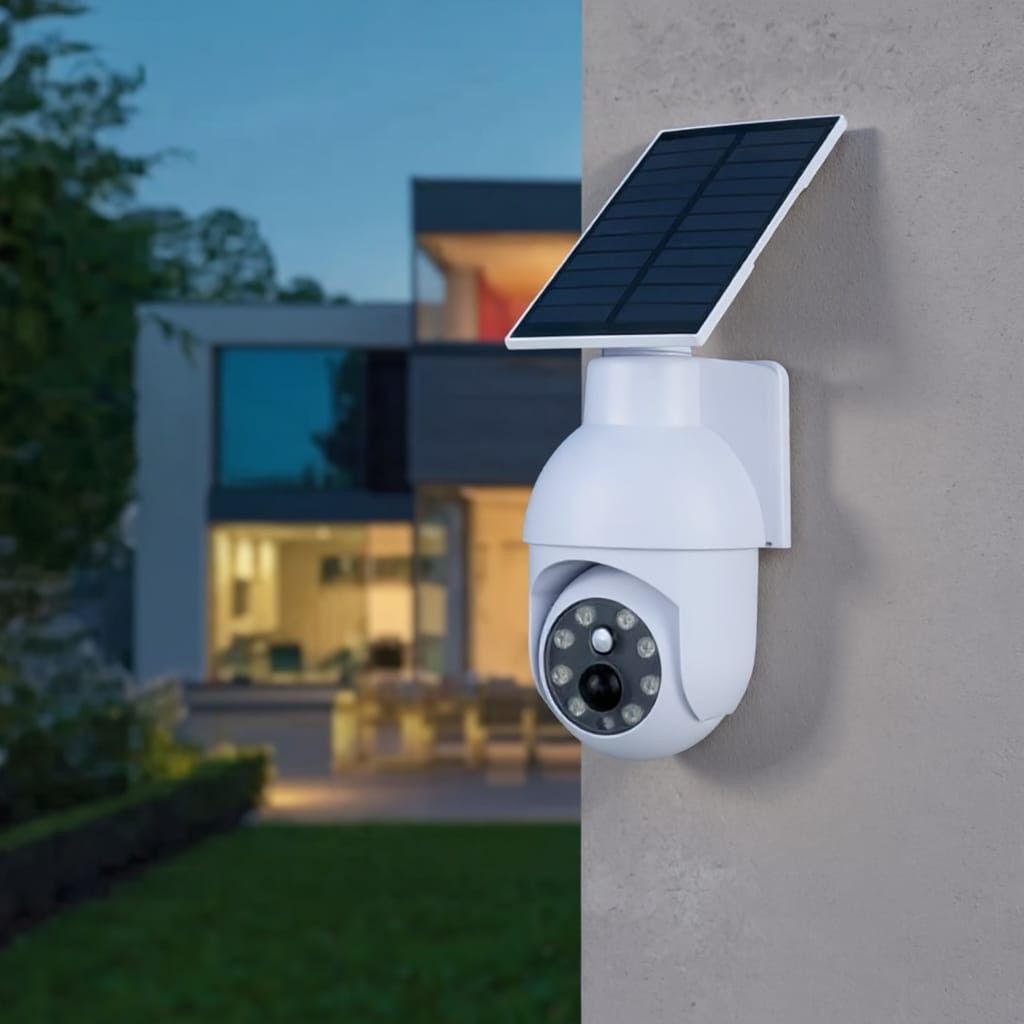
The product is a solar dummy camera with a 9-LED projector and a motion sensor. It looks realistic. The plastic housing mimics the bulky shape of real security hardware.
Why does this work? Opportunistic criminals are lazy. They scan for easy targets. Dark corners are invitations. A bright light and a “watchful eye” disrupt that assessment. When the sensor triggers, the LED array blazes to life. It simulates human presence. It signals that the area is monitored.
An intruder sees the light and the camera. They assume a real system is active. They move on.
This is deterrence at its simplest form. You are buying time and hesitation.
Where to Install It
You do not need a complex wiring diagram. This unit runs on solar power and batteries. Placement is everything.
- House Entrances: Aim it at the front door. It illuminates the face of anyone approaching.
- Garden Sheds: A dark shed in the back garden is a prime target for stealing tools. This stops that.
- Garage Access: Whether attached or detached, a lit garage door is harder to breach unnoticed.
- Apartment Terraces: If you have a ground-floor terrace or a shared balcony access, this adds a layer of visibility.
It works anywhere you need a quick boost in security without renovation work.
Zero Electrical Installation: The Real Luxury
Most people hesitate to install security because of the hassle. You have to find a power source. You have to run cables. You have to deal with drilling and mess.
This fake camera removes that barrier.
- No Wiring: It relies entirely on its internal battery, charged by the small solar panel on top.
- No Permits: You don’t need to notify authorities or plan for electrical inspections.
- No Complexity: You mount it with screws or adhesive. Done.
This is about speed. You want security now. You don’t want a weekend project that turns into a month-long ordeal.
How It Works
The mechanism is straightforward. The solar panel absorbs daylight during the day. This charges the internal battery. As dusk falls, the unit powers up. The motion sensor waits for movement within its range. When it detects something, the 9 LEDs flash on.
The light is the main feature. The camera is just the sign that says “I am watching.”
Is It Worth 1
Why fake solar cameras actually deter burglars
You don’t need an electrical outlet for this to work. The system runs purely on solar energy, designed specifically for outdoor use. The projector delivers 200 lumens of power. Its 9 cold white LEDs produce stark, highly visible light at night.
To avoid common pitfalls, the strategy is straightforward: place it where it can see foot traffic and absorb sunlight during the day. Since it requires no wiring, it’s ideal for equipping remote corners of your home quickly, without any construction work.
Three mistakes often ruin the effect. Placing it in a too dark area during the day prevents charging. Choosing a bad angle fails to cover the entry point. Installing it too low makes it look less credible and more vulnerable to tampering.
The difference between a gadget and a psychological barrier
What makes this setup effective is the combination of a visible camera and motion-activated lighting. A sudden flash of light triggered by movement can be enough to make someone abandon their attempt, especially in an area that is usually dark.
It works best in specific scenarios: an entrance, an alleyway, a garage access, a path to the garden, or a shed. Where you circulate, the trigger makes sense and reinforces the feeling of being watched.
Be clear about one thing: this does not replace a real camera, an alarm system, or a high-quality lock. Against a determined intruder, it is a dissuader, not a guarantee.
Placement strategies for 24/7 effectiveness
The most effective locations are those that “tell a story”: at the level of a gate, near a front door, above a terrace, or oriented toward a shed. The goal is to cover a logical path, not a blank wall.
Optimize three points: height (for a believable look), orientation (to aim at the access route), and the detection zone (so the light triggers at the right moment). Good placement beats random gadget accumulation.
Daily habits matter. Check periodically that nothing blocks the view (vegetation, objects). Avoid pointing it at an area where unnecessary frequent passage triggers the light in a loop, wasting battery.
Maximizing value under €13 without over-equipping
One unit is enough if you have a clearly defined main access. If your exterior has a wall return, a side alley, or a separate garage, adding a second unit helps cover blind spots without breaking the budget.
To enhance the effect without spending more, rely on free habits: keep the entrance clear, improve visibility from the street, store tools and ladders away, and use interior light occasionally when you are out in the evening.
In summary, this fake Gifi solar camera at €12.95 hits the essentials: visual dissuasion, motion detection, 200 lumens, and zero electrical installation. Its limits are clear. In the right scenario, however, it genuinely improves the feeling of security. If you had to pick one spot to equip first, which would it be: the front door, the garage, or the garden path?


