
Standard power tools are loud, smelly, and terrible for the air. They make chores easier but pump pollutants straight into your lungs and the neighborhood. But the industry is shifting. With a massive push toward eco-friendly products, “green tools” are no longer niche curiosities. They are practical solutions for homeowners who want to lower electricity bills, stop draining fossil fuels, or simply escape the toxic fumes of internal combustion engines.
Let’s look at the specific equipment that runs on cleaner energy. These tools are gentler on your ears, your nose, the planet, and often, your wallet.
Cordless Chain Saws
Gas-powered chain saws are heavy hitters for big wood jobs, but the fuel mixture they burn is a major pollutant. Emissions from these machines are so potent they violate state pollution laws in several regions. If you want to cut wood without the environmental guilt, switch to an electric or rechargeable model.
An electric chain saw produces zero fumes, which means you can safely use it indoors. It is also lighter and quieter than its gas counterpart. You never have to worry about running out of gas mid-cut.
Rechargeable options take this a step further. Modern designs feature 18-volt lithium-ion batteries or interchangeable nickel-cadmium packs. These cordless saws are lightweight and quiet. More importantly, they offer enough cutting power for most residential tasks. You get the performance without the exhaust.
Battery-Operated Drills
Hand drilling is a relic of the past. Power drills are the standard, but the cord is a nuisance. It stretches across the garage floor or drags through the backyard, limiting your range and creating a tripping hazard. A rechargeable drill removes that tether. It packs significant power while using far less energy overall.
When shopping, look for kits that include multiple bits. Some come with two interchangeable batteries, ensuring you never lose momentum when the first one dies. To maximize runtime, check the amp-hour (Ah) rating. A higher Ah means more hours of use between charges.
Pro Tip: Choose a drill with an attached LED work light. It illuminates dark corners and tight spaces, making your task easier and safer.
Electric and Rechargeable Lawn Mowers
Mowing is tedious. Pulling the starter cord on a gas mower can leave you sweaty before you even start. Green alternatives start instantly and offer broader benefits.
The environmental impact of gas mowers is staggering. One hour of mowing emits as much pollution as driving a car 250 miles. Furthermore, over 17 million gallons of gas are spilled annually during refueling—more than the Exxon Valdez disaster. Gas mowers account for nearly five percent of U.S. pollution. Switching to a green mower shrinks your carbon footprint significantly.
Electric mowers are the most common alternative. They drastically cut emissions and spillage risks. They are also quieter. However, corded models limit you to about 100 feet from an outlet. Navigating around a cord can be frustrating on large lawns. For bigger yards, consider a cordless, rechargeable battery-powered mower. Riding versions are also available in battery format.
Some homeowners still swear by old-fashioned push mowers. Modern designs are lighter and easier to push than heavy gas models. You get a physical workout while you work.
Eco-Friendly Lawn Trimmers
Gas trimmers use oil-and-gas mixtures that pollute the air. They offend the senses and the environment. New green trimmers are gaining popularity because they run on propane instead of gas.
Propane engines are easier to maintain. You don’t deal with clogged carburetors or fuel lines. Gas engines can be hard to start in extreme weather, but propane trimmers start instantly. Propane is also safer for the soil and water if spilled. It is neither toxic nor caustic.
Cordless designs are also available. These use rechargeable lithium-ion batteries that can run for up to 45 minutes on a single charge.
Pro Tip: Look for a trimmer with swappable propane tanks. Each tank lasts about two hours. Swapping allows for up to four hours of continuous work with minimal interruption.
Solar Panels
For those committed to energy independence, solar panels are the ultimate green tool. They use the sun, a sustainable and renewable source, to generate power. This is as clean as it gets.
Solar panels are no longer just for whole-home energy independence. They power outdoor lights and heat water in hot tubs and pools. Some companies are developing solar chargers specifically for green power tools. As technology evolves, charging times may drop to just a minute. If you are handy with rewiring, you can even build your own solar-powered hand tools.
The shift to green tools isn’t just about saving the planet. It’s about working smarter, cleaner, and with less noise. The technology is mature enough to handle most home projects.
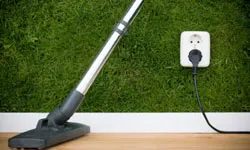
Don’t treat your daily cleaning tasks like a military mission. Large, loud, energy-guzzling vacuum cleaners are overwhelming for most households. The truth is that lighter, more eco-friendly options can easily remove general dust and dirt. Electric sweepers, brooms and stick vacuums aren’t just trendy; They’re practical upgrades that are easy on your back and your wallet.
The mechanics of Lightweight Cleaning
Traditional upright or canister vacuum cleaners are beasts that take up space. They require specific attachments to get under sofas, buffets or low-hanging furniture. You have to twist the hose, line up the nozzle and hope you don’t knock over a lamp in the process.
Electric brooms solve this with a swiveling head. You can lower the entire unit parallel to the ground while keeping the head flat on the surface. It’s a simple mechanical advantage that makes cleaning under beds or couches effortless. No attachments required. Just push and pull.
Then there is the cord issue. Rechargeable electric brooms prevent tangles. You don’t need to vacuum near wires or look for the nearest power outlet when moving from room to room. This convenience factor is significant. It makes work something you might want to do often.
Energy and efficiency
Downsizing your vacuum cleaner will directly affect your electricity bill. These smaller motors consume significantly less electricity. A high capacity canister vacuum is ineffective at removing crumbs, pet hair and surface dust. It uses a huge amount of energy to do what a lightweight stick vacuum does with a fraction of the draw.
If your goal is daily maintenance instead of a single deep cleaning of a dirty carpet, a lighter model is a smarter tool. It’s not about capability; It’s about adapting the tool to the task.
Natural Pest Control: Ladybugs and more
While we are talking about efficient tools, let’s look at the garden. Aphids are a nightmare. They appear out of nowhere, multiply exponentially, and suck the life out of your plants. They also secrete a sticky substance that promotes mold.
Most gardeners immediately turn to pesticides. This is a mistake. Pesticides kill aphids, but they also kill the natural predators that keep aphid populations in check. You dismantle your own defense system.
Instead of chemicals, use insects that work for free. Ladybugs are a classic example. Under those red-and-black spots hides an insatiable appetite. One ladybug can eat more than 5000 aphids during its year-long life. They are aggressive hunters.
Other beetles and predatory mites provide similar benefits. They target mealybugs and spider mites. Earthworms are also important. They don’t eat your plants; They aerate the soil. They are quiet, uncomplaining workers. Using natural remedies is often more effective than spraying toxins. It is a sustainable approach that keeps the ecosystem in balance.
The Old-School Clothesline
You might think that a clothesline is a relic. A nostalgic symbol of a slower era. It’s not. It is a zero energy drying method. Electric dryers are the most energy-intensive appliances in the home. They produce heat, run motors and consume huge kilowatt-hours.
A clothesline uses the wind and the sun. It’s free. It’s quiet

The era of the backyard clothesline may feel distant to many, but its practical wisdom is making a quiet comeback. We traded the simple joy of hanging sheets for the convenience of the electric dryer. It was an easy swap. Rainy days became less of a worry. No more chasing shirts across the lawn when a gust of wind got the better of the line.
But convenience has a price tag, and not just on the utility bill.
Those looking to cut energy use are rediscovering the old method. The math is blunt. A retractable line costs about $13. Forty clothespins run less than $2. You recover that investment in just a few loads.
There is the matter of fabric life, too. Sunlight acts as a natural sanitizer, killing bacteria more effectively than heat alone. Garments last longer. And the scent? It’s crisp. You skip the chemical-laden dryer sheets. The clothes smell like fresh air when you pull them in.
But if you are committed to the DIY path, you don’t need to buy every tool at full retail price. That is where the real savings hide.
The Case for Reconditioned Gear
When you shop for power tools or hand equipment, look past the shiny new boxes on the top shelf. Check the manufacturer’s website. Look for the refurbished tools section. Dealers often list these as “reconditioned.”
These aren’t broken junk. They are items customers returned. Maybe the box was damaged. Maybe the user simply changed their mind. The manufacturer took them back, repaired them, and tested them.
“Buying used and refurbished tools is kinder to the environment because you are, in essence, recycling the materials used for making those tools.”
When you buy directly from the maker or an authorized dealer, you get a tool rebuilt to their original specifications. It is nearly as good as new. The warranty often matches that of a brand-new purchase.
The financial incentive is steep. You can save anywhere from 30% to 70% off the retail price. That is a significant margin for a homeowner who doesn’t use their drill every weekend.
It is also a greener choice. You are keeping metal, plastic, and electronics out of the landfill. You are extending the lifecycle of a product that was already made. The carbon footprint of manufacturing a new tool is heavy. Extending the life of an existing one is a small but meaningful act.
When to Rent Instead
Not every tool deserves to live in your garage.
Consider tool rentals. If you are doing a one-time renovation, buying a specialized tool might be overkill. A floor sander for refinishing hardwoods? A concrete mixer for a small patio? A post-hole digger for planting a fence?
Renting these items makes sense. The cost per day is often lower than the depreciation a new tool suffers the moment you walk out of the store. You get professional-grade equipment without the storage hassle.
Where to rent:
* Home improvement stores often have rental centers.
* Local independent tool libraries or community workshops.
* Online rental platforms that deliver to your door.
What to check before renting:
* Does the rental include the necessary bits and blades?
* What is the fuel policy if
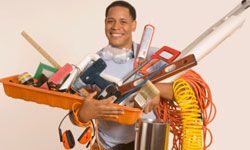
Homes are expensive to fix. Tools are expensive to own.
When the economy tightens, you stop buying everything. You start looking for loopholes. Owning a full workshop is a financial trap. It costs money upfront. It costs more to maintain. Most of those tools sit in the dark, gathering dust for years.
You only need a circular saw for one weekend. A miter saw for one project.
Buying them is wasteful. Renting is smarter.
Renting: The Quiet Green Choice
Renting isn’t just about saving cash. It’s about reducing waste.
Every tool you don’t buy stays off the planet’s supply chain. Fewer tools mean fewer eventually end up in landfills. This is green usage in its simplest form. Borrow instead of buying. Keep the cycle short.
For occasional tasks, renting is the only logical choice. You pay for use. You get the right tool. You return it.
The Community Swap Model
There is a newer trend gaining traction. Neighborhoods are forming tool libraries. Friends are creating swap circles.
Each person owns a few specialized items. One has the tile cutter. Another has the floor sander. They trade as needed. No money changes hands. No landfill space is wasted.
This works because not all tools have easy green counterparts. You can’t always find a manual version of a power drill. You can’t always rent a heavy-duty jackhammer for a day. But you can build a network. Cut back on consumption. Share the load.
When to Rent vs. When to Swap
Deciding between renting and swapping depends on frequency.
- High frequency: If you use a tool weekly, buy it. Maintenance costs drop. You have it when you need it.
- Low frequency: If you use it once a year, rent or swap.
- Specialized needs: If you need a tool for a one-off job, rent from a local hardware store. Check for daily rates.
- Community access: If you have neighbors with similar interests, organize a swap. Share the cost of ownership.
Safety First
Rented tools come with risks. They’ve been used by strangers. They may be worn. Inspect them before use. Check blades. Check cords. Ensure safety guards are intact.
Swapped tools are personal. You know who used them. But assumptions are dangerous. Test every tool before starting your project. Wear proper gear. Goggles. Gloves. Ear protection.
The Bottom Line
You don’t need to own everything. You need to solve your problem.
Renting reduces environmental impact. Swapping builds community. Both save money. Both keep tools out of landfills.
The next time you face a repair, ask yourself: Do I need to buy this? Or can I borrow it?
The answer might surprise you.