
Some smells don’t fade. They linger. You close the fridge door. You take out the milk. The air inside still reeks of old onions or that forgotten block of sharp cheddar from three weeks ago. It’s a common kitchen nightmare. One minute you’re making lunch. The next, you’re staring into a glowing white box that smells like decay.
But you don’t need heavy-duty chemical sprays. You don’t need to replace the seals. You need methods that have worked for generations. Simple ingredients. Everyday items. No complicated steps.
Here are ten ways to banish those stubborn odors for good.
The Charcoal Absorption Method
Activated charcoal is a powerhouse. It absorbs odors rather than masking them. You can buy loose granules or use charcoal briquettes for grilling (ensure they are ash-free and untreated).
Place a small bowl of the charcoal inside the fridge. Leave it there for a few days. The porous structure traps the volatile compounds causing the smell. Replace it every month to keep it effective.
Baking Soda: The Classic Fix
This is the most well-known trick for a reason. It works. Open a box of baking soda and leave it on a shelf. The sodium bicarbonate neutralizes acidic and basic odor molecules.
For a stronger effect, sprinkle some directly onto a plate. If the smell is particularly bad, mix a paste with water and scrub the shelf before rinsing.
Coffee Grounds
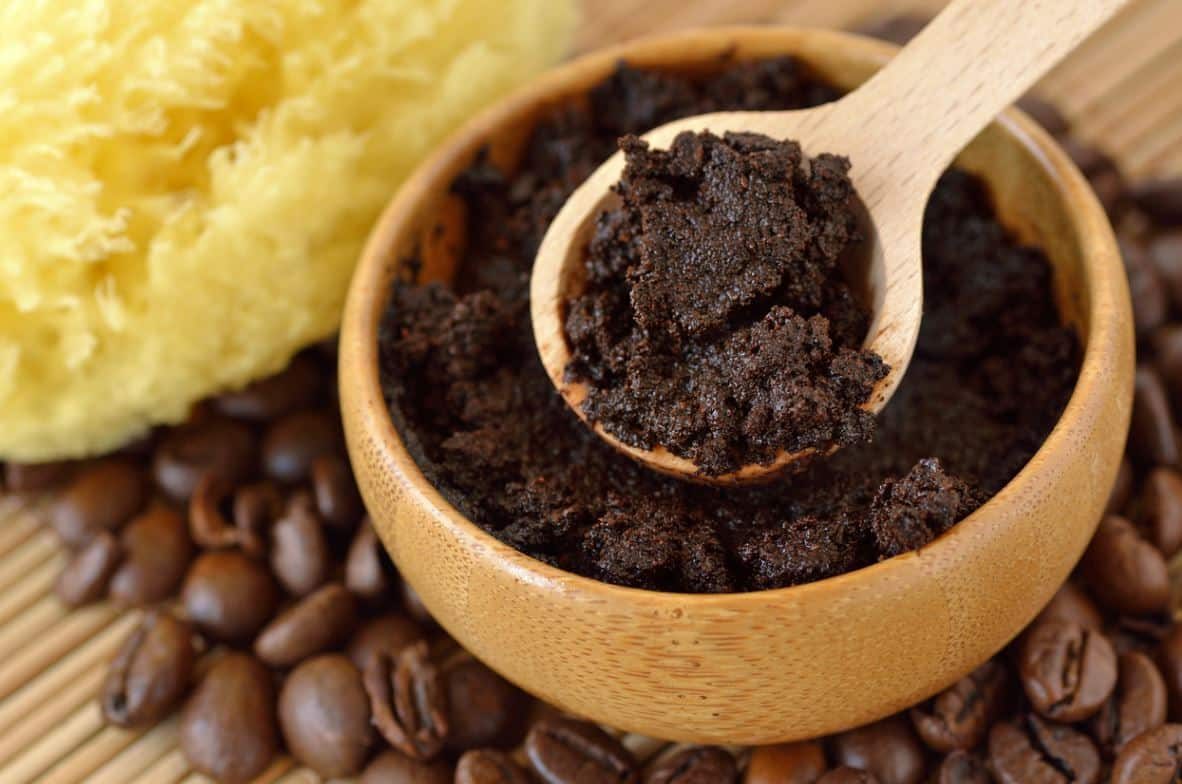
Used coffee grounds are excellent at absorbing smells. Don’t toss them. Dry them out completely on a baking sheet first. Once dry, place them in a small bowl inside the fridge. The caffeine and oils help neutralize the air.
This also leaves a subtle, pleasant aroma. Just be careful not to spill grounds on your food.
Vanilla Extract
A few drops of vanilla extract on a cotton ball or a small piece of paper towel. Place it on a lower shelf. The scent is strong enough to combat bad odors but pleasant to humans. It won’t taste like your leftovers will be vanilla-flavored. It just masks the problem while you clean.
White Vinegar
Vinegar is a natural deodorizer. Pour it into a shallow bowl. Place it in the fridge overnight. The acetic acid breaks down odor-causing bacteria. You might smell vinegar in the morning. It will dissipate within an hour or two of leaving the door open.
Lemon Peels
Citrus cuts through grease and strong smells. Save your lemon peels after squeezing them for drinks. Place them in a bowl in the fridge. The essential oils in the rind provide a fresh scent. Replace them every few days before they dry out completely.
Soy Sauce
This one sounds strange. It works. Pour a small amount of soy sauce into a bowl. The salt and amino acids help absorb odors. It’s particularly effective against fishy or sulfurous smells. Wipe up any spills immediately to avoid staining.
Activated Carbon Filters
If your fridge has a dedicated filter slot, check it. Many modern fridges have carbon filters designed to remove odors and improve air quality. If it’s been more than six months, replace it. Some models allow you to buy universal carbon pads that fit into generic holders.
The Deep Clean
No trick
Some odors are stubborn bastards. You toss out the culprit, the old takeout container, or that rogue onion, but the smell lingers like a bad memory. It’s not just a surface issue. It’s deep in the plastic and rubber. You need to hit it hard.
How to clean a smelly fridge with white vinegar
When water and soap aren’t enough, you need acid. White vinegar is the heavy hitter here. It breaks down the residue that traps smells. Mix it 50/50 with water. Dunk a clean sponge into the solution. Wring it out slightly so it doesn’t drip everywhere. Scrub every shelf. Every divider. Every corner.
If the smell is truly entrenched, don’t bother with the water. Use the vinegar straight. It stings a bit, but it works. Focus on the seals. The rubber gaskets around the door are where smells hide and fester. Wipe them down. Let it sit for a few minutes if you’re feeling ambitious. The sharp smell of vinegar will fade quickly once the fridge is aired out.
Using baking soda to absorb fridge odors
Baking soda doesn’t just scrub. It absorbs. It’s a chemical sponge for the air inside your fridge. You don’t need to scrub with this one. Just place it strategically.
Open a box of baking soda. Pour some into a small glass bowl. Set it on the middle shelf. Place it right next to where the smell is strongest. It pulls the bad air out of the fridge’s atmosphere. When the box starts to smell, swap it out. It’s cheap. It’s easy. It works.
Want it to smell like a spa instead of a chemistry lab? Mix a few drops of essential oil into the powder before you pour it. Lemon. Peppermint. Eucalyptus. The oil clings to the crystals. The fridge gets a fresh scent that actually stays put.
Why coffee grounds work for fridge deodorizing
Coffee grounds are another absorbent material. They’re porous. They trap molecules. If you have an espresso machine or a French press at home, you’re sitting on a deodorizer.
Dump the used grounds into a shallow dish. Spread them out so they have surface area. Place it in the fridge. The grounds will neutralize the air. It’s a zero-waste solution. You’re throwing away what would be trash anyway.
Does it work as well as vinegar? Not for cleaning. This isn’t a scrub. It’s a maintenance tool. Use it after you’ve deep cleaned. Keep a bowl of grounds in there to prevent smells from coming back. It’s passive. It’s quiet. It just works while you sleep.
Soak the sponge. Pour the powder. Toss in the grounds. The fridge smells clean. Or at least, it doesn’t smell like regret anymore.

4. The Warm Milk Trick for Stubborn Smells
You might side-eye this one. Warm milk. In a fridge. It sounds like a disaster waiting to happen. But it works.
The science is simple. Milk proteins bind to volatile organic compounds. Basically, they trap the smelly molecules before you can smell them. It’s not magic. It’s chemistry.
Here is how to do it without ruining your dinner or your appliance.
- Get a glass.
- Pour in some warm milk. Not boiling. Just warm to the touch.
- Leave it in the fridge for 24 hours.
The milk absorbs the odors. The milk becomes the scent sponge. After a day, take it out. Pour it down the sink. Clean the glass. The fridge smells neutral again.
“As with previous tips, simply place a small amount in a container and put it in the fridge to eliminate overpowering perfumes.”
It is a temporary fix. Not a deep clean. But for acute spills or weird leftovers, it clears the air fast.
5. Citrus Power for Freshness and Sanitization
Citrus is cheaper than most store-bought sprays. And it smells better.
Grab a lemon. Cut it in half. Or just a wedge if your fridge is small. Place it on a shelf. Or wedged into the door compartment.
The oils in the peel release slowly. They mask bad smells. They don’t just cover them up. They replace them with something cleaner.
You need to replace the fruit though. Every few days. Or it goes moldy. And now you have a worse problem. A moldy lemon in a sealed box. Don’t let that happen.
If the fridge is already dirty. If it smells like old meat and regret. You need more than just a fruit slice.
Make a cleaning solution.
- Mix baking soda with vinegar.
- Add lemon juice.
Scrub the interior. The acid in the lemon cuts through grease. The baking soda scrubs. The vinegar kills bacteria. Wipe it down. Let it air out.
Your fridge will smell like a grocery store aisle. Specifically, the produce section. Not the dairy section.


Forget the expensive gadgets. You can clear out stale smells using items you probably already have or can grab cheaply.
Reuse Cork Bottle Stoppers
This is a low-cost, natural fix. Grab those old corks from wine or beer bottles. Cork is naturally absorbent. Toss a few into the corners of your fridge. They will pull out the bad air. It works fast.
Change them often. Twice a month is a good rhythm. If you wait too long, they stop working.
Cat Litter in the Fridge
Sounds crazy? It is. But it works.
Cat litter is designed to absorb odors from waste. It does the same job for your fridge. Take a handful from a fresh bag. Put it in a bowl. Set the bowl on a shelf.
It’s surprisingly effective. Just make sure the litter is clean when you start. You don’t want to swap one smell for another.
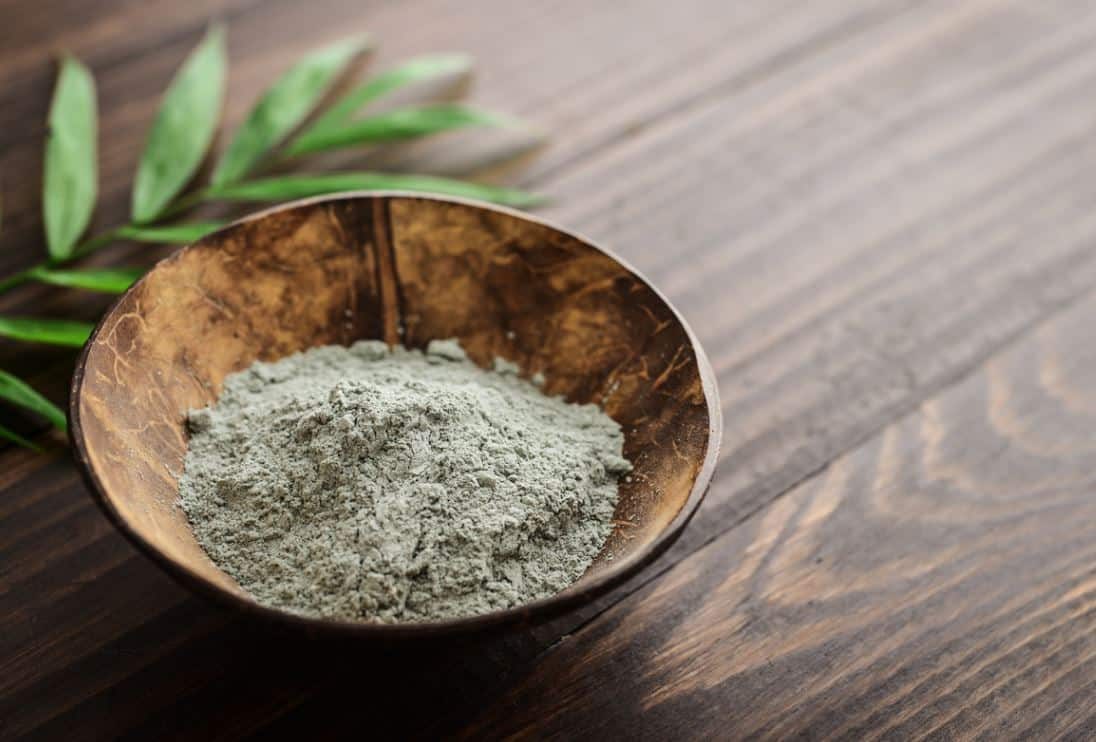
Green Clay for Deodorizing
Green clay has absorbent properties. It also sanitizes. Use it like you would baking soda or coffee grounds. Put it in a small container. Place it in a strategic spot.
When the odors come back, replace the clay. It’s that simple. No scrubbing. No chemicals. Just absorption.
“Nature often holds the simplest solutions to household problems.”
These methods aren’t just tricks. They use basic physics. Absorption. Porosity. Mass transfer. You are letting materials do the heavy lifting.
Try one. See if it lasts. If not, move to the next. Your fridge doesn’t need to smell like last week’s leftovers.

Beyond basic cleaning, you can deploy specific household items to keep your fridge smelling fresh. One common mistake? Using the wrong kind of charbon actif.
Why Pharmacy-Grade Activated Charcoal Works
You might be tempted to grab a bag of BBQ briquettes from the garage. Do not do that. Those briquettes contain chemical additives and accelerants that are flammable and toxic. When you put them in a sealed appliance where you store food, you are inviting risk.
Instead, head to your pharmacy or a health food store. Buy charbon actif intended for consumption or purification. It is porous and aggressive about absorbing volatile organic compounds. The odors vanish into the carbon matrix. Place an open container or a small bowl of granules in the back corner. It requires almost no maintenance. Just swap it out every few months.
Oats: The Unlikely Absorbent
Oats work too. Not because they are magical, but because they are dry and grain-based. They pull moisture out of the air. Moisture carries smell. Remove the moisture, remove the smell carrier.
Take a handful of rolled oats. Drop them in a shallow bowl. Set it in your fridge. The oats will slowly absorb ambient odors. It is not as potent as charcoal. It is subtle. You need to replace the oats every two to three weeks. If they smell like your old leftovers, they are done. Throw them away. Put in fresh oats.
Comparing the Options
Which is better for your space?
- Activated Charcoal: High absorption. Lasts months. Low maintenance. Requires a specific purchase.
- Oats: Low absorption. Lasts weeks. Very easy to obtain. Looks a bit messy in a bowl.
If you want a “set it and forget it” solution, spend the five dollars on charcoal. If you are out of budget and have oats in the pantry, use the oats for a quick fix. They are not a permanent solution. The smell will eventually win if you leave them too long. Change them out. Stay vigilant.