Your linen closet is probably a mess. you avoid it. It was a grave filled with half-folded towels, sheets that have never seen a bed, and pillows that looked like they had been through a war. This isn’t storage. It’s a hazard.
Linen closets are not attic corners. You pull from them weekly. Maybe every day. If you have to dig through an avalanche of linens to find a fitted sheet, your system is broken. It’s time for a makeover.
Start by editing thoroughly. Throw out the pillowcases from your college days. Donate the Superman sheet from your son’s awkward phase. If you don’t use it, don’t put it in the closet. Functional spaces require space to function.
Use the Door’s Dead Space
The gap between the inside of the door and the first shelf is wasted space. Most people ignore it. You shouldn’t.
Install a narrow door rack. These are designed specifically for this small opening. Use them for toiletries and cleaning sprays. This clears off your main shelves for bulky items on the main shelf. Start by checking the shelf height. If the rack is too short, the bottles will fall out every time you swing the door. This is very annoying. Correct gaps before filling.
If you don’t have any chemicals or toiletries to store, rethink your door. Mount hooks or a towel bar.
If the linen closet is in the bathroom, the door is prime drying real estate. Hang a towel on it. They air out. Ready to use. No damp pile in the shower.
If you store dining linens, the door is your friend. Hang a long tablecloth. Cloth napkins too. Hanging it prevents deep wrinkles. Folding heavy damask is a nightmare. Hanging it saves your back.
Maximize shelf depth and height
Most linen closets have standard shelves. They are rarely optimized for the items you actually own.
Measure the deepest shelf. Most sheets fit neatly when folded into thirds. However, the shelves are deep, so it’s hard to see in the back row. Items get buried.
Install adjustable shelving. This allows you to raise or lower the shelves depending on what you want to store.
Store large items on the lower shelves. Towels and blankets are heavy. You don’t want to lift them onto a high shelf.
Place lightweight items such as guest towels and pillowcases on high shelves. You’ll access them less often.
If the shelves are too deep, use risers. A shelf insert creates a lower level. Now you can stack the baskets. You can store small items in the basket. Everything is visible. No need to dig.
Check the current shelf height. If you have high ceilings, add a rod above the shelves. Hang items that don’t fold well. Duvets? Hang them. Heavy blankets? Hang them. This frees up shelf space for folded items.
Label Everything
I think you know where the bath towels are. You don’t. It won’t happen in six months.
Label the front of each container or basket. Use a simple sticker machine. Or use tape.
Hashtags stop the “guessing game”. Refilling becomes easier. If someone else uses your wardrobe, you can put things back properly.
Conclusion
A good linen closet is quiet. you open it. you take yours
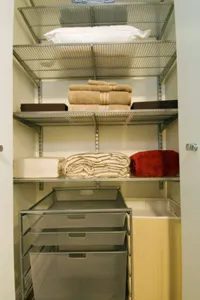
Adjustable shelves are the only way to adapt to your changing home. This year you may need a high place to store a larger blanket, and next year you may need a low shelf to store baby towels. Space the shelf pegs at least 10-12 inches apart. This gap is not arbitrary. This allows air to circulate around the stack of fabric. Stagnant air can lead to mold growth. If your linen closet is hidden in a damp bathroom, don’t use solid wood. Choose a rack with ventilation. Allows moisture to escape instead of remaining on the walls.
Humidity and storage space management
If the wardrobe is located in a cool and dry corridor, ordinary shelves are fine. The bathroom wardrobe is another story. The heat of the shower quickly increases moisture. The use of wire racks can reduce this risk. Maintain a breathable environment. If the air can pass directly through the storage unit, you don’t need an expensive dehumidifier.
Add a modular storage solution
There are many gadgets designed to squeeze extra volume out of free space. Look for the basket under the shelf. Hang from the bottom of an existing shelf. Ideal for towels and washcloths that cannot be stacked. Tackle clutter without taking up valuable vertical space.
Shelf dividers can also be updated inexpensively. Prevents the towel tower from collapsing when pulling towels. Group similar items together. Take a bath towel and don’t bother with a hand towel. But let’s face it. Unless you’re adding structure, neatness is temporary is only temporary.
Labels are not just for offices. They are for families.
Label each shelf. Use chalkboard stickers or simple markers. Tell people exactly what’s where. Your guests won’t guess. If you’re not sure, put things aside. Clear instructions prevent disorder in the system. Without labels, you only have to clean it for 5 minutes before someone messes it up again.
Zoning Your Linen Inventory
Organizing a linen closet isn’t one-size-fits-all. It depends on your volume. How many sets of sheets do you rotate each week? If you have enough space, divide the area. One shelf for the master bedroom. Another for the master bath. Separate slots for each kid’s room. With this method, you can see the amount of laundry at a glance. You can easily see if your child’s towels are piling up because you can see empty places where they should be.
No partition space? Stack similar items. Group all your bath towels. Group all hand towels. Group all sheets. It’s less pretty but highly functional.
Maximize vertical space
Use high shelves to place less frequently used items. beach towel. Blankets for guests. Festive bedding. Things you pull out once a season. Place the shelves at eye level. That’s your daily driver zone. Keep towels and clean sheets within easy reach. If an item isn’t used often, toss in a sachet. Finally, by digging out some lavender or cedar shavings from the back of the cabinet, things will smell fresh.
The Finish Line: Folding Matters
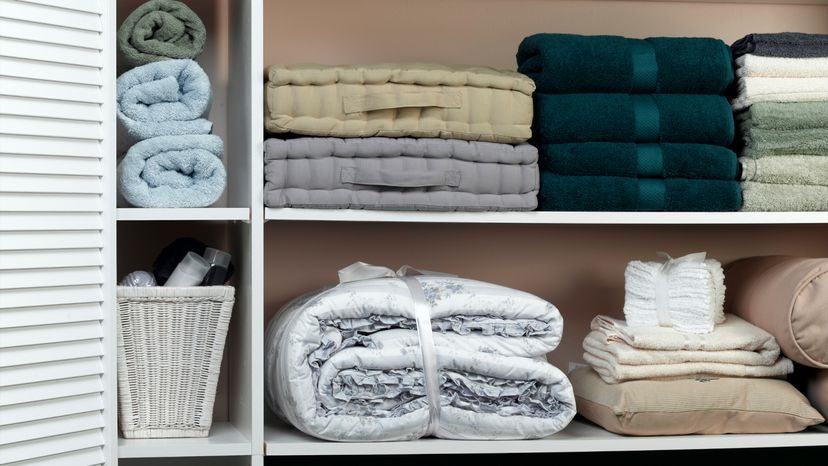
A magazine-worthy wardrobe starts with folding. Not folding. Folding. Fold towels and sheets so they are flat. No fabric hanging off the edges. No jagged edges. If they are not stacked evenly, the room will look messy, even if it is tidy. Consistent folds create visual calm. Just opening the door will help you feel more organized.
This is a small detail. But this is the difference between storage and system. You spend hours arranging the bins. Label the shelves. But if