


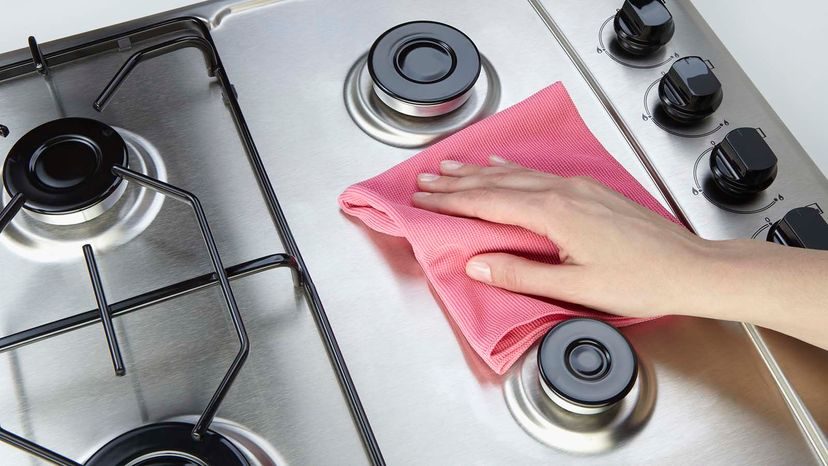
Walk into almost any modern home and you will see it. The gleaming fridge. The matching dishwasher. Even the toaster is stainless. It is the default look for contemporary kitchens. Shiny. Modern. Trendy.
But that shine comes with a cost. Fingerprints. Smudges. And the dreaded scratch.
Stainless steel is not just metal. It is an alloy. Manufacturers melt steel scrap and mix it with chromium or nickel. They heat it. Press it. Treat it. The result is a material that resists corrosion. It handles heat. It is recyclable. It is tough.
But it is not invincible.
You can clean stainless steel often without damaging it. Water. Vinegar. Special cleansers. These keep the luster up. But one thing you cannot ignore is the grain. If you ignore the grain, you invite disaster.
Understanding the Metal Before You Start
Stainless steel comes in grades. It comes in finishes. Most home appliances use home-grade stainless steel. That is the norm.
Before you grab a scrub brush, pause.
Check with the appliance manufacturer. Find out what type of steel you are working with. The wrong product can ruin the finish permanently. The wrong direction can deepen the scratch.
Always rub or buff with the grain of the metal. Against the grain makes it worse.
This rule is non-negotiable. Respect the grain. Save the surface.
Cleaning Light Scratches
Fine scratches are annoying. They are visible. They disrupt the uniform look. But they are treatable.
You do not need heavy tools for these. You need gentle abrasives.
Commercial cleaners like Comet or Revere Stainless Steel and Copper Cleaner work well. They are non-abrasive. They buff gently. You can buy them as dry powder. Add water. Or use the cream-based version. It goes on smoother.
Appliance makers often sell their own branded cleaners. Check home improvement stores. These are formulated specifically for your brand. They are safe. They are effective.
Dealing with Deeper Scratches
Some scratches bite deeper. They catch your fingernail. They show in the light.
Water and vinegar will not fix these. You need more power.
Wet sanding is the recommendation. Use sandpaper. But not just any sandpaper. Grits vary. Too coarse and you will gouge the metal. Too fine and you will not fix the scratch.
Check with your manufacturer again. Ask which grit is safe. Start low. Work your way up. Patience is key here. Rushing leads to visible patches.
DIY Kits for Multiple Marks
If you have a lot of scratches, cleaning one by one is slow. A kit might be faster.
Products like Scratch-B-Gone or the Siege 63001 Stainless Steel Sink and Cookware Scratch Remover pack exist. They guide you step by step. They include products similar to the cleaners and sandpaper mentioned above.
They cost more. But they save time. And they reduce the risk of buying the wrong individual product.
When to Call a Pro
Sometimes you have tried everything. The scratch is a gash. The damage is deep.
Stop.
Call a professional. Stainless steel restorers exist. They come to your home. They give estimates. They do the work.
It costs the most. But if the job is too big, leave it to the experts. DIY has limits. Know yours.
Quick Fixes and Common Questions
You might hear about household items. Toothpaste. Baking soda. Do they work?
Toothpaste can work on smooth surfaces. It acts as a mild sander. Rub it slowly. But it fails on deep scratches. It is too weak.
Baking soda is better for light scratches. It is powdery. Gentle. Mix it with water to make a paste. Apply it. Scrub lightly. Wipe off. Use a damp cloth. It works for minor marks.
For gouges, use 400 to 600 grit sandpaper. Add a rubbing compound. Or buy a repair kit from the same manufacturer. Consistency matters. Matching the original finish is the goal.
Stainless steel is popular for more than kitchens. The Chrysler Building in New York City uses it for its crown. It covers the spires. It makes the building recognizable. That metal has stood for decades. Yours can too. If you handle it right.
The shine is worth the effort. But only if you respect the material. Clean carefully. Buff gently. Respect the grain.
And if you mess up? That is when the real work begins.
Where to Find More on Metal Care
If you are deep in the weeds of a kitchen remodel or just trying to keep your appliances from looking like a fingerprint smudge factory, there is more to unpack. The basics of cleaning are only half the battle. Understanding the material itself matters.
Consider the difference between metal and steel. They are not interchangeable terms. Steel is an alloy. It contains iron and carbon. Other metals might be mixed in for strength or resistance. Knowing this helps when you choose your cleaning agents. You do not want to use abrasive pads on softer metals. You might scratch the finish permanently.
Stainless steel is different. It resists rust. But it is not magic. It can still stain. It can still corrode if you ignore it. How to get rust off stainless steel is a common question. The answer usually involves gentle abrasives and specific chemicals. Comet Cleanser is a classic example. It works for many surfaces. But check the label. Some formulas are too harsh for delicate finishes.
Cleaning Products and Tools
You do need to buy the right stuff. Revere Cleaner is another option that shows up in older guides. It is designed for metal surfaces. It removes oxidation. It leaves a protective layer. Scratch-B-Gone is a kit made for homeowners. It includes pads and compounds. You use them to buff out minor scratches. They are not a cure-all. Deep gouges remain. But for light scuffs, they work.
Whirlpool sells a specific cleaner and polish. It is made for their appliances. Using the brand’s own product is usually safe. It matches the factory finish. You avoid chemical conflicts. Finishing.com has tutorials on removing scratches. They offer professional advice. You can replicate some of their steps at home. But be careful. Testing in an inconspicuous area is non-negotiable.
Why Material Science Matters in Your Kitchen
The Chrysler Building uses stainless steel. It has stood for decades. Moly-grade stainless steel is used in airports. It handles harsh environments. Why does this matter to you? Because your kitchen is a harsh environment. Heat. Moisture. Acidic foods. Salt. Your appliances face daily abuse.
The International Stainless Steel Forum explains the composition. It gives you context. Stainless steel contains chromium. Chromium forms a passive layer. This layer prevents rust. If you damage this layer, you risk corrosion. Cleaning gently preserves it. Abrasive tools destroy it.
The Stainless Steel Industry of North America offers a tutorial. It covers overview and maintenance. It is a good resource. It explains grades. 304 is common in homes. 316 is more resistant. You might not know which one you have. But treating it with care is universal.
Practical Steps for Homeowners
- Identify the finish. Is it brushed? Polished? Mirror? Each shows scratches differently.
- Choose the cleaner. Avoid chlorine bleach. It eats into the metal. Use pH-neutral cleaners for daily use.
- Test first. Apply any new product to a small spot. Wait. See if it reacts.
- Apply with grain. Always wipe with the direction of the finish. Circular motions create swirls.
- Rinse and dry. Water spots are unsightly. Use a microfiber cloth. Dry immediately.
This


