


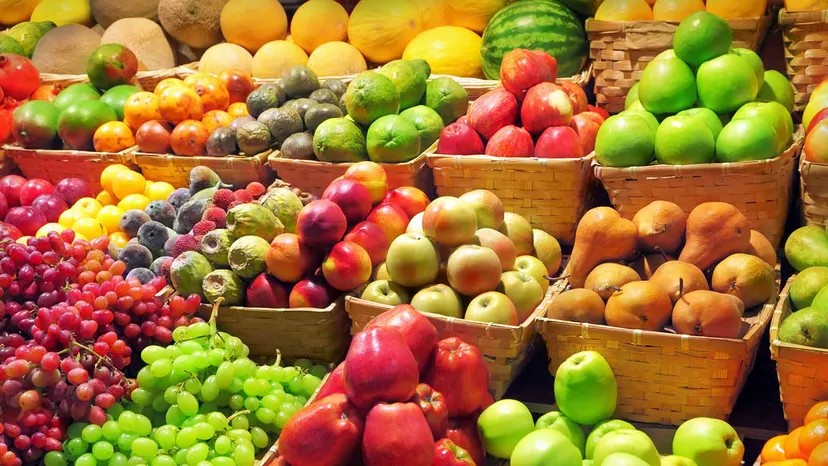
You know the drill. Fruit is good for you. It cuts down on heart disease and cancer risk. Most produce is low in fat, sodium, and calories. Zero cholesterol. Some varieties pack a punch with vitamins C and A, folate, potassium, and fiber.
But here is the problem. The 2020-2025 Dietary Guidelines for Americans say eight out of ten people don’t eat enough of it. The target is two cups a day. Most of us fall short.
Adding fruit to your routine is easy. One banana equals one cup. The catch? Fruit only tastes right when it is fully ripe. If you buy green or overripe mush, you waste money. You need to know how to pick the best produce at the farmers market or the big box store.
Smart Buying Habits
Start with the basics before you even look at the fruit.
- Buy in season. You get better flavor. Better nutrition. Better price.
- Buy what you can eat. Don’t stock up if you don’t have room. Eat it while it is fresh.
- Keep it simple. Whole fruit is cheaper. It lasts longer than pre-cut trays.
- Buy local. When possible, go direct. The food is at peak quality. You support local growers.
Signs of Ripeness for Common Fruits
Not all fruit signals ripeness the same way. Here is what to look for by type.
Apples
Pick ones that feel heavy for their size. The skin should be firm and shiny. No bruises.
Avocados
Look for dark skin. Give it a gentle squeeze. It should yield to firm pressure. Green avocados are fine. Let them sit at home until they are ready.
Berries
Strawberries, blackberries, blueberries. They need to be firm. Dry. Fragrant. Skip any that are crushed or show mold.
Bananas
Even yellow is ripe. Brown spots mean sweeter. If you need them to last a few more days, pick them greener.
Melons
Watermelon, honeydew, cantaloupe. They should be symmetrical. Heavy. Sweet-smelling. For watermelon, a dull rind is good. Shiny often means unripe. Thump it. It should sound hollow. Honeydew should be pale yellow, not green.
Pears
They are usually picked before they are fully ripe. Choose fruit with no soft spots or bruising.
Peaches
Deep color is key. Firm but yielding to a gentle squeeze. Fragrant. No wrinkles. No bruises.
Pineapples
Smell near the stem. A sweet scent means it is ready. Fresh leaves too. Check the rind for dark spots. Avoid those.
Plums
Deep color. Give a little when squeezed. If they are hard, they might ripen at home. Very hard ones might not.
Pomegranates
Heavy. Cracking is actually a good sign. It means the seeds inside are plump and full.
The market is full of options. Knowing what to touch and smell makes the difference between a snack and a meal. What else do you look for?
Why Your Produce Drawer Is Sabotaging Your Food
You bring the groceries home. You think you’ve done the right thing by putting everything in the fridge. But if you’re tossing apples next to leafy greens, you’re actively accelerating spoilage.
Here is the hard truth: ethylene gas is real, and it is messy.
Apples, bananas, and avocados are ethylene producers. They pump out this natural hormone to ripen themselves. When you trap that gas in a sealed crisper drawer with broccoli, carrots, or spinach, the vegetables don’t just sit there. They yellow. They wilt. They turn slimy. The ethylene triggers premature aging in sensitive produce.
Don’t store fruits and vegetables in the same bin. Separate them. It’s not a suggestion. It’s physics.
Room Temperature vs. Cold Storage
Not all fruit wants to be cold. Some, like bananas, citrus, mangoes, melons, pineapples, peaches, and pomegranates, hate the cold. If you refrigerate them whole, the chill damages the cell walls. They stop ripening. The flavor dulls. The texture turns mealy.
Keep these on the counter.
Exceptions exist. If you cut into a mango or slice a peach, refrigerate it immediately. Use it within one to three days. Cut fruit oxidizes fast. It loses nutrients. It gets moldy.
For avocados and peaches that are still firm, you can speed up ripening. Put them in a paper bag at room temperature. The bag traps the ethylene they produce, creating a mini greenhouse effect. Check them daily. When they yield slightly to pressure, they’re ready.
The Refrigerator List
Berries, cherries, figs, and grapes belong in the crisper. But don’t wash them until you’re ready to eat them. Moisture invites mold. A single rotten strawberry can contaminate the whole pint.
Pears and plums sit in the middle. They can ripen in a paper bag on the counter, just like avocados. Once they’re soft and fragrant, move them to the fridge. Cold slows down the ripening process, buying you a few extra days.
The Paper Bag Trick
Why paper? It breathes. Plastic traps moisture and ethylene too tightly, leading to rot. Paper allows for slight air exchange while concentrating the ripening gas.
If you want to stop ripening, use the fridge. If you want to speed it up, use the counter and a bag. If you want to preserve already ripe fruit, fridge is your only option.
Know which fruit does what. Your dinner table will thank you. Your wallet will too.


