It lands on the floor. It smells awful. It stains everything it touches. Cleaning up vomit is one of those household disasters that seems impossible to fix, but is completely manageable once you stop panicking and start scraping. The secret isn’t magic chemicals; It’s all about speed and what fibers your carpet is made of.
Carpet materials react differently to body fluids. Acrylic behaves differently than wool and cotton will stain faster than nylon. You need a plan suitable for the material. Simply applying bleach to a synthetic blend can melt the fibers. If you soak wool in ammonia, you destroy the lanolin. Here’s how to deal with the mess without ruining your floors.
Stop spreading immediately
Time is the enemy here. The longer the vomit sits, the deeper the enzymes dig into the backing.
- Scrape, don’t smear. Take a spoon, a dull butter knife, or a thick paper towel. Lift the solid off the surface. Don’t press down. You’re trying to remove the mass, not push it into the subfloor.
- Blot the liquid. Use a clean white cloth or paper towels. Press firmly to absorb moisture. Lift, discard, repeat.
- Never scrub. Scrubbing works like a broom, penetrating the stain deeper into the pile and wearing away the fibers. You want absorption, not rubbing.
Your cleaning arsenal
You probably have everything you need in your kitchen or laundry room. Most cases do not require a professional cleaning team.
- Warm water: Basic solvent. It loosens debris without setting proteins like hot water would.
- Mild dishwashing detergent: Cuts through the fatty acids in vomit.
- Baking soda: absorbs odors and helps absorb moisture.
- White vinegar: Breaks down acids and neutralizes odors.
- Hydrogen peroxide: Bleach for light carpets. Use very carefully on dark colors.
- Ammonia: For heavy duty and synthetic fibers only. Never mix with bleach.
- Steam Cleaner: For final deep cleaning and deodorization.
Cleaning according to fiber type
Not all carpets are the same. The following guide explains a special approach to the most common types of carpets in the home.
Acrylic Carpets
Acrylic is durable, but can hold onto stains if the oil sets.
- Remove solids: Scrape gently with a blunt edge.
- Mixture: Warm water + a few drops of mild dish detergent.
- Step: Dab the solution onto the stain. Work from the outside in to block the ring.
- Rinsing: Rinse off the soap residue with cold water. Any remaining soap will attract more dirt later.
- Drying: Pat dry with a towel. Let it air out.
Cotton carpets
Cotton is absorbent. It works like a sponge. You have to act fast.
- Remove solids: Carefully Pick up chunks.
- Mixture: One part white vinegar and two parts water.
- Step: Dab the solution onto the stain. Do not pour it on.
- Rinsing: Rinse with clean water to stop the vinegar from lingering.
Drying: Air dry.
Use a fan to speed it up.
High humidity quickly leads to the formation of mold in cotton.
Linen Carpets
Linen is delicate. Aggressive rubbing causes the natural fibers to fray.
- Remove solids: Lift gently.
- Mixture: Warm water + mild detergent.
- Process: Press with fabric. Do not rub.
- Rinsing: Thorough rinsing is key. Detergent traps odors in linen.
- Drying: Allow it to air dry completely before walking on it.
Nylon Carpets
Nylon is synthetic and stretchy. It tolerates moisture well, but can retain odors.
- Remove solids: Scrape away the bulk.
- Mixture: Warm water + liquid detergent.
- The move: Blot lightly.
- Rinse: Cold water works best here to seal the fibers after cleaning.
Drying: Pat dry.
Let it air dry.
Olefin carpets
Olefin (polypropylene) is hydrophobic. It repels water, which means the vomit sits on top for longer, giving you more time to act.
- Remove solids: Carefully remove residue.
- Mixture: Warm water + mild soap.
- Step: Apply with a soft cloth. Tap gently.
- Rinse: Rinse with cold water.
- Drying: Air dry or use a gentle fan.
Polyester carpets
Polyester is soft but may show signs of wear after heavy cleaning.
- Remove solids: Clear the area.
- Mixture: Mild detergent + warm water.
- The move: Dab and blot.
- Rinse: Rinse with cold water.
- Drying: Air dry and away from direct sunlight. UV rays can fade polyester over time, and heat can set residual stains.
Spandex carpets
Spandex blends are stretchy. Over-wetting can damage the elastic structure.
- Remove solids: Scrape gently.
-
Mixture: Mild detergent + lukewarm water.
Step: Blot gently. Avoid vigorous rubbing. -
Rinsing: Rinse thoroughly.
Drying: Air dry.
Do not use high heat.
Universal Rules for success
These principles apply regardless of fiber. Violate them, you risk permanent damage.
- Move fast. Enzymes break down proteins. Once this process begins, it becomes more difficult to reverse.
- White cloths only. Colored cloths can bleed color into the stain and create another problem.
- Spot test everything. Before applying vinegar, peroxide, or ammonia to a major stain, test it on a hidden corner. Check the color fastness.
- Don’t rush the dry. Walking on a wet carpet will rub the stain back in. Use fans. Open the windows.
You might think that just rinsing is enough. It’s not. Enzymes in vomit break down organic matter. If you leave even a trace, the smell will return after a few days, especially in warm weather. That’s when you bring in a steam cleaner or commercially available enzyme cleaner.
But for now, the immediate mess has been contained. You’ve scraped. You’ve blotted. You have chosen a mixture right mix for your floor. The hard part is over. The rest is just waiting for the carpet to dry. And watching. Always watching.
Keep your carpet spotless
Cleaning doesn’t stop when the mess is cleaned up. Keeping your carpet in good condition for the next disaster is just as important as the scrubbing itself. You want your floors to be ready for anything.
Speed is the most important factor here. The faster you react to a spill, the easier it is to remove the stain before it hardens. Don’t let it sit.
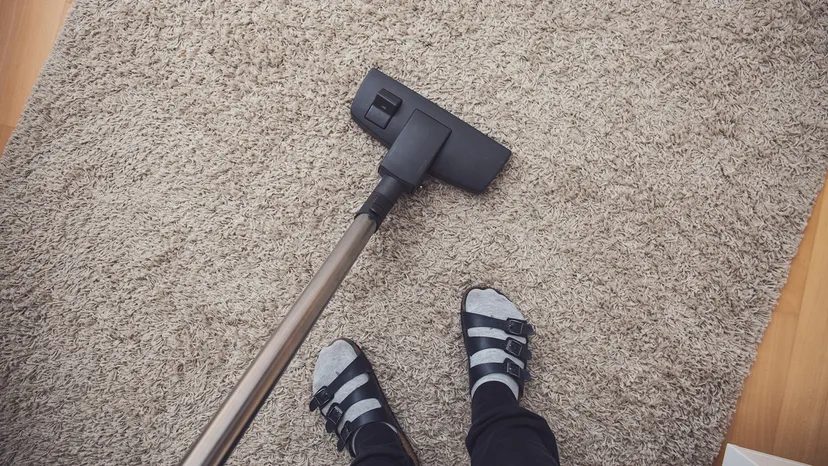
Regular vacuuming sounds simple, but it keeps the carpet fibers open and resilient. A well-maintained carpet withstands spills better than a carpet caked with everyday debris. It’s about keeping the material in optimal condition so that it can withstand stress.
If the stains keep recurring or sink deep into the padding, you may need to call the professionals. Professional carpet cleaners have powerful equipment to lift out what home remedies miss.
However, smell is the real enemy. You can clean the area until it looks white, but if it still smells, it’s not done yet. Sprinkle baking soda on the treated area. Let it stand for a few hours or even overnight. Vacuum it later to remove any lingering odors.
The goal is not only to remove visible dirt. The goal is to restore the carpet to its original condition.
Now you are prepared for the worst cases. Your floors will look fresh. They smell neutral. And hopefully they won’t need this treatment for a while. But if it is, you know what to do.