


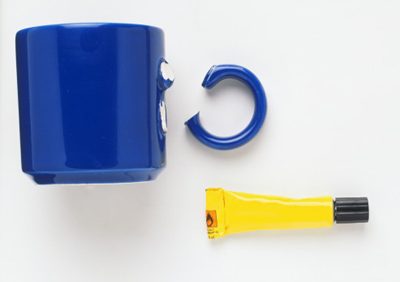
It happens more often than you care to admit. One minute you are working on a project; the next, your fingers are fused together like a bizarre sci-fi sculpture. Super glue lives up to its reputation. A single square inch of that sticky stuff can hold over a ton. It is terrifyingly effective. And when it gets on you, it feels like a trap.
The culprit is cyanoacrylate. Chemists love the formula C5H5NO2. You probably just want it off your hands. This acrylic resin doesn’t just sit there. It cures instantly. It forms a bond so strong it defies common sense. The trigger? Water. Specifically, hydroxyl ions. Almost every surface has trace amounts of moisture. Your skin. The air. The humidity in the room. As soon as the glue touches that moisture, the reaction starts. It is fast. Too fast.
Most people confuse super glue with white glues. Elmer’s works differently. It relies on solvent evaporation. The water in the glue evaporates. The polyvinylacetate latex is left behind. It spreads into crevices. It dries flexible. Super glue does not dry. It reacts.
The process is called anionic polymerization. That sounds technical. It is just a chemical chain reaction. And it generates heat. A small drop? Negligible. A large glob on your skin? That heat can actually burn you. The bond is strong. The chemistry is aggressive. You need to break the bond without causing more damage.
If you feel heat or burning when super glue touches your skin, stop immediately. Do not try to pull it apart. You will tear the skin.
Getting it off requires patience, not brute force. You are dealing with a chemical bond, not just sticky residue. The goal is to weaken that polymer network. Solvents that break down plastics can sometimes work on cyanoacrylate. Acetone is the classic choice. But acetone is harsh. It dries out skin. It can damage certain plastics and fabrics. Test a small area first. Apply the solvent to a cotton ball. Dab the affected skin. Do not rub. Rubbing forces the glue deeper into the pores. Let it sit. Let the chemistry work against the glue.
Patience is the hardest part. The bond does not break in seconds. It may take minutes. The skin underneath is sensitive. The glue is hard as rock. You are essentially dissolving a plastic that has bonded to your epidermis. If the glue is on clothing, check the fabric type first. Acetone will melt acetate and triacetate fibers instantly. It might discolor wool. It can weaken some synthetics.
Safety matters here. Work in a well-ventilated area. The fumes are strong. Wear gloves if you are tackling a large mess. Keep the acetone away from open flames. It is highly flammable. If the glue gets near your eyes, do not use acetone. Flush with water. Seek medical help. The skin on your face is too thin for chemical warfare.
Once the glue softens, it might roll off. Or it might just become less rigid. Gently peel it back. Use a dull edge if you need leverage. Never use a knife. You will

Don’t Panic, Don’t Pull
Fingers stuck together? Take a breath. The bond is strong because the glue has already cured into that hard plastic mesh. Yanking them apart will only tear skin. It is painful. It is messy. Do not do it.
The goal is to soften the adhesive, not break the bond with brute force. You need to exploit the one thing cyanoacrylate hates: warm, soapy water.
The Warm Soapy Water Method
This is the gold standard. It is safe. It is effective. It works for most minor gluing accidents.
- Fill a bowl with warm water. Not boiling. Just warm. Something you can comfortably keep your hands in.
- Add dish soap. A squirt or two. The soap helps break the surface tension and penetrates the glue line better than plain water.
- Soak your fingers. Submerge the stuck area. Let it sit. Do not rush. Wait 5–10 minutes. The warm water and soap work together to weaken the molecular chains. The glue becomes slightly tacky and less rigid.
- Gently roll your fingers. Once soaked, try to roll your skin apart. Do not pull straight out. Rolling creates shear force that breaks the bond more easily than tension. If it resists, soak longer.
Repeat the soak if needed. Patience is the only tool you really need here.
Why This Works
Cyanoacrylate does not dissolve in water instantly. It resists it. But heat and surfactants (soap) help penetrate the micro-gaps in the cured plastic. The water molecules interfere with the cross-linked structure, making it more pliable. The soap acts as a lubricant, reducing friction between your skin and the glue.
What If Soak Doesn’t Work?
If your fingers are still locked after 15 minutes of soaking, you might need a different approach. Acetone is the chemical solvent that breaks down cyanoacrylate. It is the active ingredient in most nail polish removers.
- Use acetone-based nail polish remover. Soak a cotton ball and hold it against the glued area for a few minutes.
- Wash thoroughly afterward. Acetone dries out skin badly. Apply lotion.
- Warning: Acetone can damage plastics, painted surfaces, and some synthetic fabrics. Use it on skin only. Avoid getting it in your eyes.
Do not use acetone on large areas of skin. It can cause irritation. Stick to the soak method first. It is safer. It is less harsh on your hands.
Other Household Items
In a pinch, you might try other solvents, but they vary in effectiveness.
- Peanut butter or oil: The oils can help lubricate the skin and slowly seep into the bond. It takes longer than acetone. It is messier. But it is gentle. Good for sensitive skin or if you lack acetone.
- Salt scrub: Mix salt with oil or water. The grit provides mild abrasion. Rub gently. Do not scrub hard. You want to wear down the glue, not your skin.
When to Seek Help
If the glue is stuck in a


Getting super glue on your fingers is messy. Getting it on your lips is a nightmare. If you’ve ever used your teeth to pop open a stubborn tube cap, you know the panic sets in when that adhesive hits your mouth. It happens faster than you can think. The solution isn’t brute force. It’s chemistry and patience.
Removing Glue from Fingers
Your first instinct might be to peel the skin apart. Don’t. You’ll tear the flesh and make things worse. Start by scraping off the excess glue gently. But here is the critical rule: do not use cloth or tissue paper. The chemical reaction between the fabric fibers and the cyanoacrylate can generate enough heat to cause burns or even smoke. That is a hazard you don’t need.
Instead, soak the bonded fingers in a bath of warm, soapy water. Let it sit. The water helps break down the bond without damaging the skin. After soaking, take a dull, rounded utensil—like the back of a spoon or a butter knife—and carefully wedge the fingers apart. Work slowly. If you see no immediate success, introduce acetone. A little nail polish remover works well here. Apply it to the area and try wedging the digits apart again. The solvent softens the glue, allowing the fingers to separate with minimal trauma.
The Lip Emergency Protocol
Dealing with glue on your face requires a different approach. Acetone is too harsh for mucous membranes and sensitive facial skin. It can cause irritation or damage. You need a gentler method.
Grab a wide coffee cup or bowl. Immerse your mouth in hot water. The heat helps loosen the bond. You also want to dampen the bonded skin from the inside of your mouth as much as possible. Saliva and water work together to soften the adhesive. Once you sense a loosening of the grip, use a dull, rounded utensil to wedge your mouth open. Be extremely careful. Do not force it. Forcing the lips apart risks tearing the delicate skin. If the water and gentle pressure aren’t enough, let the soak continue. Patience is your best tool here.
Beyond the Disaster: Medical Uses
It is easy to view cyanoacrylate only as a source of pain. But its ability to repair broken knick-knacks is only part of the story. Researchers have discovered that modifying the alcohol component of super glue changes its toxicity. By swapping ethyl or methyl alcohol for butyl or octyl alcohol, the compound becomes significantly less toxic to tissue.
This modification has led to a surprising application: closing wounds. In some cases, cyanoacrylate can replace stitches. Physicians use it as a pharmacological fixative. Veterinarians use it too. The same chemical that stuck your lips together is now being used to seal them up professionally. It is a strange irony, really. The very substance that causes the emergency is now part of the medical solution.
More to Explore
If you are fascinated by the science of adhesives and everyday materials, consider looking into how these items are made:
- How Crayons and markers are manufactured
- The mechanics behind Silly String
- How Yo-yos function
- The physics of Water Blasters
- The technology in See ‘n’ Says toys
- The composition of Play-Doh
- How LEGO Bricks interlock
For those interested in the broader context of adhesives, check out the This-to-That Glue Guide or read about recent ScienceDaily reports on creating super glue from seafood.


