



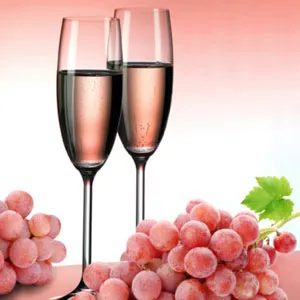

American New Year’s Eve usually involves fireworks, champagne toasts, and Auld Lang Syne. It is loud and celebratory. Spain takes a different approach.
It is a simple ritual. Eat 12 grapes at the stroke of midnight. Each grape represents one month of the coming year. Success means good luck for all twelve.
This Spanish tradition adds a sweet layer to the countdown. It is easy to replicate. Set out champagne flutes for the toast. Place a small bowl of grapes nearby. Your guests can eat one grape with each of the final twelve seconds. It looks lovely on the table. It is also surprisingly fun to try.
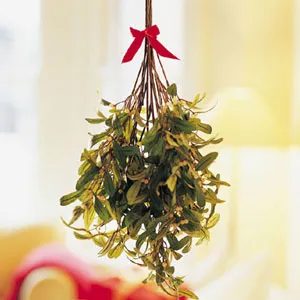
French Mistletoe Tradition for New Year’s Eve
While Americans associate mistletoe with Christmas, the French flip the script. For them, it is a staple of New Year’s Eve celebrations. If you want to infuse your own New Year’s Eve party ideas with a touch of Parisian flair, hang sprigs of the plant in your doorway.
It is a simple swap that changes the vibe entirely. Instead of holiday cheer, you get a romantic, forward-looking gesture. The custom suggests that a kiss under the boughs at midnight ensures good luck for the coming year.
How to Source and Place Mistletoe
You do not need a Christmas tree for this to work. Standard holly or pine decorations can feel stale if you are aiming for a fresh start in January. Look for fresh or dried mistletoe sprigs at garden centers or online florists.
Hang them above entryways. It does not have to be the front door. A hallway mirror or a staircase banister works just as well. The goal is to create moments of connection. Guests will find it naturally during conversations.
Why This Tradition Matters
Most people think of mistletoe as purely a winter holiday icon. In France, the timing is everything. It ties the end of one year to the beginning of the next. It is less about the festive season and more about the transition.
Adding this element to your New Year’s Eve party decor costs very little. It requires minimal effort. Yet it signals that you care about the ritual of the moment. It is a subtle nod to European culture without a plane ticket.
Safety and Maintenance
Fresh greenery dries out quickly. Keep an eye on the sprigs. If they start to crumble, replace them. A dried-out plant looks neglected, not chic.
Ensure the hanging mechanism is secure. Use a sturdy hook or ribbon. You do not want a heavy branch falling on a guest holding a glass of champagne. Safety first, romance second.
The Kissing Rule
There is no strict rule about who gets kissed. In some circles, you can only kiss once per sprig. In others, it is an open invitation. The tradition is fluid.
It breaks the ice. It creates a memory. And it keeps the focus on the people in the room. Not the decorations. Not the food. The human connection.
Final Thoughts
You might find yourself laughing at the absurdity of it. Or you might lean in. Either way, the mistletoe serves its purpose. It marks the time. It invites a moment of intimacy in a crowded room.
Try it. See how it changes the night. The rest is up to you.
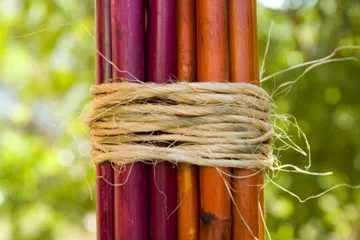

Why kadomatsu decorations belong by your front door
The tradition is simple but visually distinct. You see bundles of pine, bamboo, and plum branches. They are tied together with straw. You place them at the entrance. The goal is to invite good spirits into your home for the new year.
This practice comes from Japan. It is called kadomatsu.
You might wonder why these specific plants were chosen. Each one has a role. Pine trees stay green through winter. They symbolize longevity. Bamboo grows straight and fast. It represents prosperity. Plum blossoms appear early. They stand for resilience and hope.
The straw binding matters too. It connects the three elements. Straw is natural. It grounds the arrangement in tradition.
If you are looking to recreate this at home, you need the right materials. Real pine branches are best. Bamboo stalks can be hard to find fresh. Consider dried or preserved versions if you live far from Asian markets. Plum twigs can be substituted with cherry or other early-blooming branches if plum is unavailable. The spirit of the arrangement is what counts.
Tools are minimal. Pruning shears. A heavy-duty twine or natural fiber rope. You do not need complex equipment.
Safety is straightforward but easily ignored. The branches can be sharp. Wear gloves. Watch your fingers when tying the straw tightly. Straw can splinter. It pulls tight.
Where do you put it? The entrance. The front porch. The gate. It acts as a marker. It tells the spirits where to land. It marks the boundary between the ordinary world and the sacred new year.
“The entrance becomes a threshold. Not just of wood or stone, but of intention.”
Some homeowners skip the plum branch. It is the most seasonal element. If it is winter and no blossoms are out, the arrangement still works. The pine and bamboo provide the structure.
Is it difficult to make? No. It is a matter of assembly. You bundle the pine. You add the bamboo. You tuck in the plum. You tie it off. You step back.
The result is a simple gesture. It costs little. It takes an hour. But it changes the feel of the entryway. It signals that something different is coming. The year ahead is not just a sequence of days. It is a space to be prepared for.
You might leave it up for the whole first week of January. Or until the first full moon. The timing is personal. The intention is shared.

Skip the generic white lights. If you want a Novogodnaya Yolka that actually feels like the holidays in Moscow, you’re going to need more than just a string of LEDs. The traditional Russian New Year’s tree is a beast. It’s dense, it’s heavy, and it is absolutely covered in everything.
First, pick your tree. Any fir or pine works. You don’t need a perfect Norway Spruce from a lot. In fact, a bit of character helps. Most Russian households opt for real trees—fresh, fragrant, and thirsty. Set it up in a stand that can handle the weight. Water it daily. Watch it die. That’s part of the tradition.
Now, the decorations. This isn’t about minimalism.
The Candy Strategy
Traditional Novogodnaya Yolka decorations involve hanging candy directly on the branches. We’re talking hard candies in clear cellophane wrappers, chocolate coins, and fruit drops.
Wrap each piece individually. Tie them on with thin ribbon or clear fishing line. Place them strategically so they catch the light. Don’t cluster them all in one spot. Spread them out. The goal is to make the tree look like it’s blooming with sweets. Kids love this part. Adults pretend they don’t care, but they’re watching the kids closely.
The Star on Top
You need a star. Not an angel. Not a bow. A star.
Traditionally, this is a multi-pointed star, often made of plastic or metal, sometimes with a small light inside. Some people craft their own from cardboard and foil. The key is that it sits at the very peak. It’s the focal point. Without it, you’re just decorating a pine bush.
Filling the Gaps
Candy and a star aren’t enough. You need volume.
- Tinsel: Silver or gold. Hang it in thick strands. Don’t drape it lightly. Make it look like icicles.
- Ornaments: Glass balls. Red, gold, blue. Traditional colors. Hang them in pairs or clusters.
- Popcorn and Cranberries: String these together for a classic, edible garland. It’s cheap. It’s authentic. It smells like home.
The Vibe
The Novogodnaya Yolka isn’t about Instagram photos. It’s about clutter. It’s about the feeling of abundance. When you step back, the tree should look almost too much. Too many candies. Too many ornaments. Too much tinsel.
That’s the point.
Light it up. Turn off the main room lights. Let the tree glow. The shadows will dance on the walls. The scent of pine will mix with the sugar.
It’s loud. It’s messy. It’s exactly how the holidays should be.
Now go find a stand that won’t tip over. You’ll need the space.
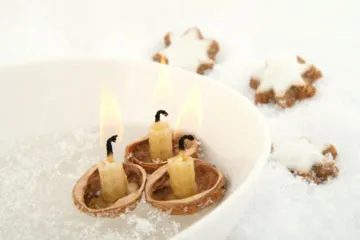
Bringing the Iemanja Ritual Home
Rio de Janeiro doesn’t just celebrate. It performs. During the annual homage to Iemanja, the Yoruba sea goddess, revelers craft paper boats. They load them with candles. Then they push them into the Atlantic. It’s a visual of devotion. A moment of letting go into the deep blue.
You don’t need a coastline to capture that energy.
You can pull this ritual into your living room. The setup is simple. No complex carpentry. Just a few materials and a bit of intention.
The Bowl and the Water
Start with a wide, shallow bowl. Ceramic or glass works best. It needs to hold water without leaking. Size matters here. You want enough surface area for the candles to float freely.
Fill it with tap water. Room temperature is fine. Cold water makes the wax harden faster. Warm water keeps the flame steady longer. If you want to mimic the ocean vibe, add a splash of blue food coloring. Or skip it. Clear water reflects light differently. It feels more intimate.
Choosing Your Candles
Not every candle floats. This is a common DIY mistake.
Look for pillar candles. Or tea lights. They are designed with a wax composition that is less dense than water. If you try to float a tapered candle, it will sink. The flame will drown out. That’s a fire hazard.
For a larger effect, use thick pillar candles. They sit higher on the water. They create a more dramatic silhouette. For smaller gatherings, tea lights are safer. They fit easily into floating candle holders. You can buy these plastic rings at any craft store. Or DIY them.
Safety First
Water and fire don’t mix well if you aren’t careful.
Never leave floating candles unattended. A gust of wind from an open window can tip them over. Melted wax can spill into your decor. It stains. It’s a nightmare to clean.
Use a non-flammable surface underneath your bowl. Stone. Tile. Metal. Wood might warp. Paint might bubble. Keep candles away from curtains. Keep them away from dry plants. The heat from the flame rises. It can ignite nearby combustibles.
Adding the Brazilian Touch
The Rio tradition isn’t just about the candles. It’s about the offering.
In Rio, people leave flowers. Hair. Perfume. Small gifts. You don’t need to replicate the full ritual. Just the gesture.
Place a single flower on the water’s surface. Jasmine. Or a white rose. The petals float. They drift with the subtle currents of the room. Add a sprig of eucalyptus. The scent is fresh. It cuts through the smell of melting wax.
If you want to go deeper, consider the color symbolism. Iemanja is associated with white and blue. Stick to those tones. White candles. Blue flowers. It creates a cohesive visual. It respects the source of the inspiration.
The Effect
Light the wicks.
Watch the water ripple. The reflection multiplies the light. It makes a small space feel larger. More open. It changes the mood of a dinner party. It turns a casual gathering into something ceremonial.
It’s not about replicating a religion. It’s about borrowing the aesthetic. The tranquility. The connection to something larger than yourself.
The wax
The Danish Tradition of Porcelain Luck
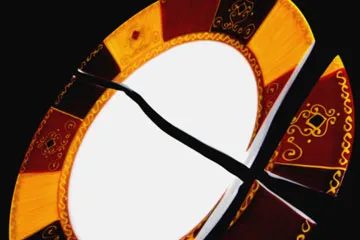
There is a specific, messy kind of romance in the Danish New Year. It involves neighbors, friends, and stacks of chipped china. The rule is simple. You break old plates or dishes and hurl them at the front doors or walls of loved ones on December 31st. The more shards that accumulate on a doorstep by morning, the luckier the household is believed to be.
It sounds chaotic. It is. But if you want to inject that chaotic energy into your own party without actually damaging property, you can replicate the aesthetic. Use broken plate pieces as table decor. Scatter them among the candles. The visual impact is striking. It looks intentional. It looks artistic.
“The more shards on the doorstep, the luckier the household is believed to be.”
This tradition stems from a desire for protection and good fortune. Porcelain holds memory. Breaking it releases that history. It clears the slate for the new year. For a DIY approach, you don’t need to actually throw heavy ceramic. You can buy broken dishware cheaply or salvage it from estate sales.
Setting the Table with Shards
If you are hosting a New Year’s Eve party, here is how to bring the Danish flair to your dining room. It requires a steady hand and some safety gear.
1. Source the material.
You need non-toxic, food-safe ceramics if possible. Look for plain white plates or those with subtle patterns. Avoid anything with gold leaf if you are gluing it down, as the adhesive might react.
2. Break it safely.
Wear safety glasses. Wrap the plates in a thick towel before smashing them with a hammer. This controls the shrapnel. You want jagged edges for texture, not dust.
3. Arrange, don’t spill.
Lay out the largest pieces first. Fill in the gaps with smaller fragments. Press them into a thin layer of strong adhesive or epoxy if you want them to stay put. If you are just scattering them on a runner, leave space between the shards so they don’t cut hands.
4. The lighting.
This looks best under low light. Candlelight catches the edges of the broken glass and ceramic. It creates a shimmering effect. It feels expensive. It costs almost nothing.
Why This Works for DIYers
Most homeowners think renovation requires big tools. It doesn’t. Sometimes it just requires a hammer and a willingness to destroy something old to make something new. This decor hack bypasses the need for expensive centerpieces. It uses waste.
It also signals a certain attitude. You aren’t afraid of imperfection. You are embracing the break. That resonates with the New Year’s spirit. You are leaving the old year behind. Literally.
The mess is part of the point. But you can clean it up. Just sweep carefully. Use a magnet if there are any metal flecks in the glaze. Or just leave a few pieces. Let the guests wonder if they are supposed to pick them up. Let them feel that slight, prickly awareness.
That is the Danish way.
The date on your calendar might not match the Lunar New Year celebration happening in China right now, but that is a non-issue. You do not need to wait for the exact astronomical alignment to bring some festive energy into your space. Traditional accents work just as well in December as they do in February.
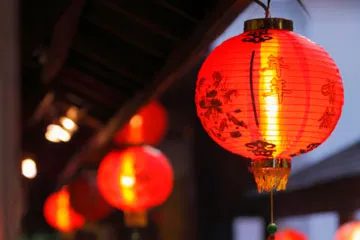
Paper lanterns are a staple. They are cheap, lightweight, and hang easily. Hang them in clusters. A single lantern looks lonely. A group of three or five creates movement and warmth. Fish-themed decorations are equally important. In Chinese culture, the fish symbolizes abundance and good luck. The word for fish sounds like the word for surplus. It is a direct linguistic pun that has stuck for centuries.
Sourcing Traditional Symbols
You do not have to import these items from overseas. Most craft stores carry paper lanterns in red and gold. These are the primary colors for the holiday. Red wards off evil. Gold brings wealth. If you cannot find pre-made lanterns, you can make your own.
- Buy plain parchment paper or tissue paper.
- Cut the paper into strips.
- Glue the strips together to form a tube.
- Add a wire frame for structure.
- Attach a tassel at the bottom.
Fish decorations can be paper cutouts or small figurines. Look for koi motifs. They represent perseverance. Place them near entryways. It invites prosperity into the home. Avoid placing them in bedrooms. That is not the traditional protocol.
Placement and Safety
Paper is flammable. Do not hang lanterns near open flames. LED string lights are a safer alternative for internal illumination. They generate less heat and use less power. If you use real candles, keep them in sturdy glass holders. Place them on stable surfaces. Never leave them unattended.
Fish ornaments should be displayed at eye level. This draws attention. It starts conversations. Guests will notice the symbolism. They might ask about the meaning. You can explain the connection between fish and abundance. It adds depth to the decor.
Color Psychology
Red is dominant. It is energetic. It signals celebration. Gold complements it. It adds luxury. Stick to these two colors. Adding green or blue can clash with the traditional palette. Keep the scheme tight. Too many colors dilute the impact.
Maintenance
Paper lanterns can tear easily. Handle them with care. If one breaks, replace it. Do not try to tape it up. It looks messy. Gold paint can chip on figurines. Wipe them with a dry cloth. Do not use water. Water can warp the material.
The goal is not perfection. It is atmosphere. A slightly crooked lantern feels lived-in. A chipped fish ornament shows history. These imperfections do not detract from the luck they bring. They add character.
“Red wards off evil. Gold brings wealth.”
Final Touches
Add some gold tinsel. It catches the light. It adds sparkle without clutter. Scatter it on tables. Do not pile it up. A light dusting is enough. The effect is subtle. It does not overwhelm the senses.
You are not replicating a temple. You are creating a home that feels festive. The symbols are there. The intent is clear. That is what matters. The date difference is irrelevant.
The Round Truth About Filipino New Year Traditions
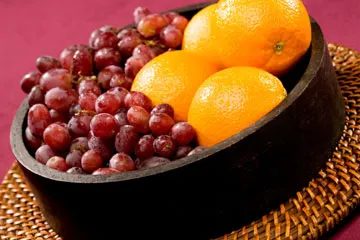
You might be wondering why the Philippines’ New Year party looks like a fruit salad exploded. It’s not an accident. It’s a deliberate strategy for wealth. Locals deck out their homes and selves with round shapes. The logic is simple. Circles look like coins. And coins mean money.
Why Circles Rule the Celebration
The superstition is specific. You want prosperity? You need symmetry. You need curves. The belief holds that displaying round objects at midnight will attract financial luck for the coming year. It’s not just about looking good. It’s about signaling to the universe that you are ready to receive abundance.
What to Use (And What to Avoid)
Round fruits are the MVP here.
– Oranges
– Apples
– Grapes
– Watermelons
Keep them whole. Do not cut them. Cutting breaks the circle. Breaking the circle breaks the luck. Arrange them on a table in the center of the room. Or scatter them. The key is visibility.
Polka dots are equally important. Check your wardrobe. If you are wearing stripes, change. If you are wearing plaid, hide it. Go for polka dots. They mimic the roundness of coins. Even your kids’ clothes should follow this rule. It’s a family affair. Everyone needs the round look.
How to Execute This Strategy
- Gather your produce. Head to the market. Buy citrus fruits. They are cheap and abundant.
- Inspect your clothing. Look for patterns. If it’s not circular, it’s a no-go.
- Display prominently. Put the fruit where guests can see it. The living room is ideal.
- Avoid sharp angles. If you have triangular decor, turn it around.
The Cultural Context
This isn’t just decoration. It’s a ritual. In many Filipino households, the more round items you display, the better. Some families go so far as to use round plates. Round cups. Even round rugs if they can find them. It’s about maximizing the symbolism.
Why does this matter to you? If you’re decorating for a New Year’s party, this is an easy win. You don’t need expensive art. You need fruit. You need dots. It’s accessible. It’s fun. And it’s deeply rooted in local culture.
Practical Tips for Homeowners
- Check freshness. Rotten fruit is bad luck in itself. Keep it crisp.
- Mix colors. Red and gold are lucky colors in Filipino culture. Combine them with the round shapes for double effect.
- Involve kids. Let them pick their polka-dot outfits. It’s a tradition they’ll remember.
“The more round objects you have at home, the more coins you will have in your pocket.”
This tradition is straightforward. No complex tools. No construction. Just psychology and produce. It works. People believe in it. And when everyone around you is doing it, you might as well join in.
What happens if you forget the dots? Nothing explodes. But you might feel like you missed a step. That’s part of the fun. It’s a game. A ritual. A way to start the year with a smile and a hope for wealth


