


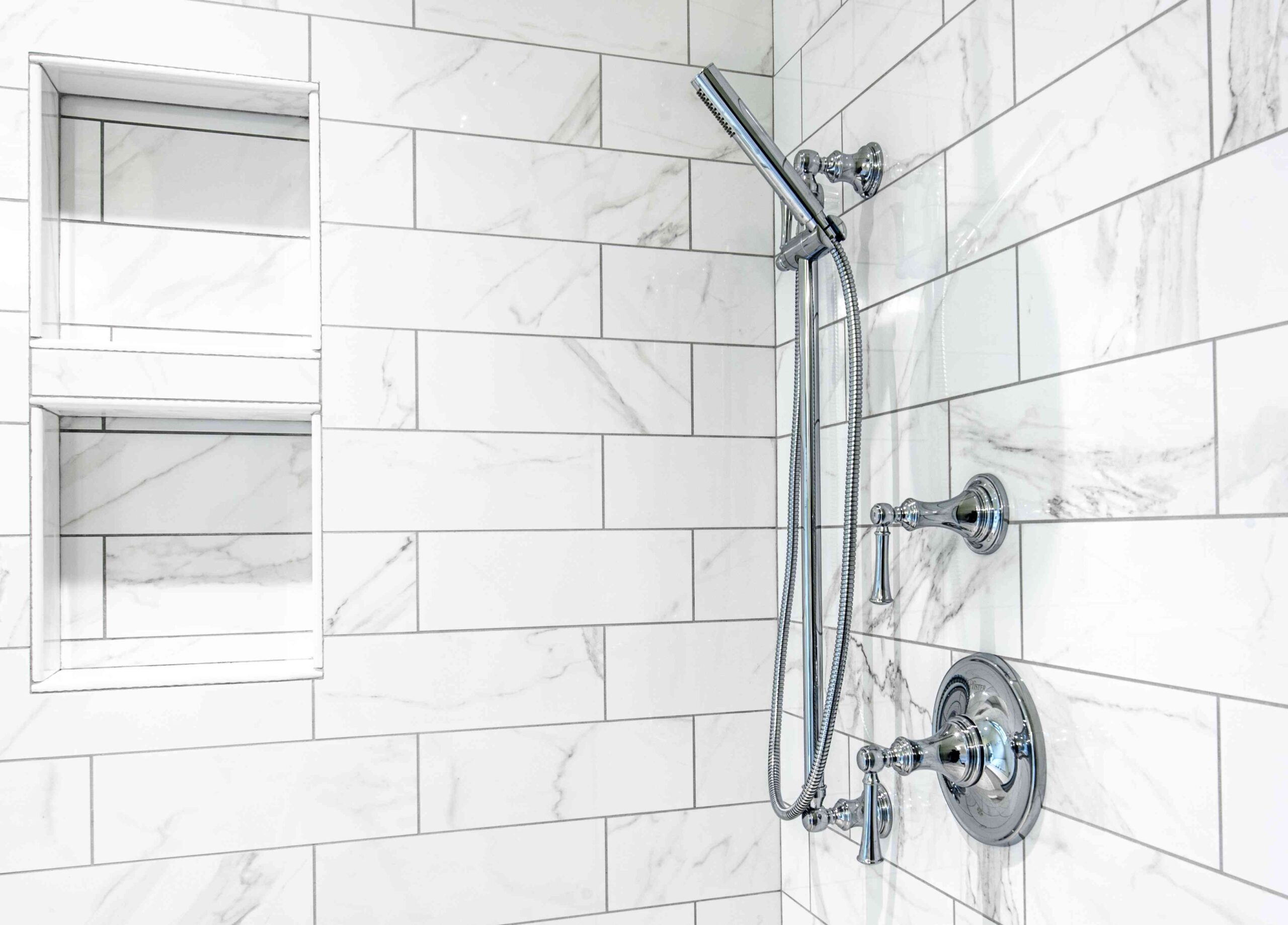
Stop scrubbing until your hands bleed. It’s a waste of time and dignity. Rosa Picosa, a Fabuloso cleaning expert, knows this. She says you don’t need muscle to clean tiles. You just need the right chemicals and a little bit of patience.
Here are six ways to make those walls shiny without turning cleaning into a gym session. Plus, a few tricks to keep the gunk at bay.
The vinegar wash
Mix equal parts warm water and distilled white vinegar in a spray bottle. It sounds cheap, right? Good. Acidity cuts through soap scum like a knife. Spray it on, top to bottom. Make sure those stubborn spots get covered. Let it sit for ten or fifteen minutes. The solution does the work while you sit there staring at it. Wipe it down with a microfiber cloth. Rinse with warm water. Then—and this is where people fail—dry the tiles. Use a dry microfiber cloth on the tiles and the grout. No water spots. Just shine.
The fizzing paste
Baking soda and vinegar. Two pantry staples that argue loudly when mixed. That fizz is actually useful. It helps break down grime. Picosa notes that vinegar dissolves minerals while baking soda provides slight abrasion, lifting dirt without scratching. Mix them into a thick, spreadable paste. Smear it on the tiles. Cover the grout. Let it hang out for fifteen minutes. Wipe it off with a damp cloth. Rinse. Dry thoroughly.
“Vinegar helps dissolve mineral buildup… while baking soda… lifts dirt without damaging your shower tiles.”
The dark bottle peroxide
Hydrogen peroxide works. But it’s moody. Light kills its effectiveness, so pour it into a dark spray bottle. Clear bottles are a no-go. Safety first too—gloves on, windows open. Spray an even coat. Wait fifteen minutes. Scrub lightly with a sponge and gloves. Rinse with warm water. Dry with a clean cloth. Do it right or don’t do it at all.
Water only (and baking soda)
Out of vinegar? Use water. Mix baking soda and warm water until it’s paste-like. Spread that white stuff on your tiles. Let it sit. Let it harden, actually. Fifteen minutes. Wipe with a damp microfiber cloth. Rinse away the residue. Dry it off. Simple chemistry. No drama.
Steam it up
No products. Just heat. Turn the shower on hot. Let the bathroom steam up completely. The steam loosens grime, Picosa explains, which means less elbow grease required. While it’s hot, wipe the tiles with a clean, dry microfilm cloth. Long swipes. Pick up whatever the steam freed up. Wipe the grout too. Switch to a dry cloth. Dry the surfaces. Prevent spots before they form.
Bleach. Handle with care
Similar to the peroxide method, this one requires respect. Ventilate the room. Wear gloves. Mix equal parts bleach and hot water in a spray bottle. Spray generously. Let it work for fifteen minutes. Rinse with hot water until every trace is gone. Dry everything with a microfiber cloth. Bleach is strong. Use it wisely.
Why does it come back so fast?
Picosa has two secrets for long-term cleanliness. Daily maintenance. And having a good cleaner for the weekly refresh. Rinse the walls or use a squeegee after every shower. It’s ten seconds of work. Prevents hard water spots. Stops soap scum from cementing itself to your life.
There’s a viral hack too: keep a dish wand filled with multi-purpose cleaner inside the shower. Scrub immediately after each use. Is that extra work? Yes. Is your shower going to look better than everyone else’s? Absolutely.


