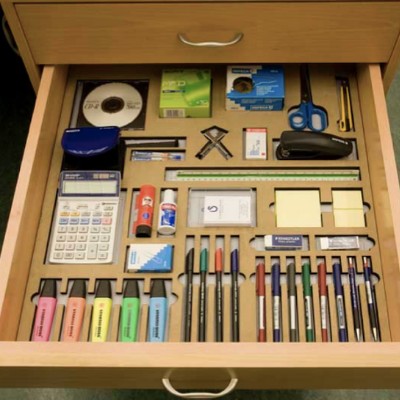
The 5S methodology, originating at Toyota in the 1960s, is a systematic approach to organizing, tidying, and cleaning workplaces. While conceptually simple, its consistent implementation delivers significant gains in productivity, safety, and morale. Though often overlooked compared to other Lean Construction tools, 5S is foundational for eliminating waste, fostering teamwork, and setting the stage for broader Lean initiatives.
This guide breaks down each of the 5S stages, providing actionable steps for successful implementation.
1. SEIRI (Sort): Eliminating the Unnecessary
Seiri focuses on removing items that are no longer needed from the workplace. The principle aligns with Toyota’s “Just-In-Time” (JIT) philosophy: having only what is required, in the right quantity, when it’s needed.
Implementation: Use a “red tag” campaign to identify potentially unnecessary items. Ask these three questions:
- Is this item necessary?
- Do we need this quantity?
- Does it belong here?
Action:
- Place tagged items in a holding area for review.
- Discard or relocate unnecessary items.
- Return essential items to their proper place.
2. SEITON (Set in Order): A Place for Everything
Seiton ensures that all necessary items are easily accessible and organized. The core concept: a place for everything, and everything in its place.
Implementation: Follow these steps:
- Determine appropriate locations: Consider workflow and frequency of use.
- Identify locations clearly: Use labels, markings, or shadow boards.
- Quantify needs: Ensure the right amount of each item is available.
3. SEISO (Shine): Maintaining Cleanliness
Seiso emphasizes keeping the work area clean and safe. This isn’t just about aesthetics; it’s about preventing defects, improving morale, and promoting a healthy work environment.
Implementation:
- Define cleaning scope: Identify areas and tasks.
- Assign responsibilities: Divide the workplace into “cleaning zones.”
- Establish methods: Determine what, where, who, when, and how.
- Organize tools: Store cleaning supplies for easy access.
- Systematic inspection: Incorporate regular cleaning checks.
4. SEIKETSU (Standardize): Building Consistency
Seiketsu isn’t an activity but a state: the sustained application of the first 3S. It requires establishing procedures to maintain order.
Implementation:
- Assign ownership: Designate individuals responsible for maintaining standards.
- Integrate daily maintenance: Make 5S a routine part of the workday.
- Regular audits: Monitor compliance and identify areas for improvement.
Visual 5S: Use visual cues to distinguish between normal and abnormal conditions at a glance.
Preventive Measures: Address recurring problems at the root:
- Why do unnecessary items accumulate?
- Why aren’t tools returned to their place?
- Why do floors get dirty again and again?
5. SHITSUKE (Sustain): Turning Habits into Reality
Shitsuke transforms 5S into a self-sustaining habit. This requires ongoing reinforcement and commitment.
Implementation:
- Training: Educate employees on 5S principles.
- Teamwork: Build a dedicated implementation team.
- Scheduling: Allocate time for 5S activities.
- Resources: Provide necessary tools and materials.
- Leadership support: Secure commitment from managers and directors.
- Employee creativity: Encourage ideas and allocate resources for improvement.
- Rewards: Recognize and reward 5S efforts.
Key Implementation Tips:
- Start small: Choose an easy area for initial success.
- Measure and audit: Track progress and identify areas for improvement.
- Leadership participation: Engage managers in training to demonstrate commitment.
- The 30-second test: Verify that any item, tool, or document can be found in under 30 seconds.
- Low-cost solutions: Many effective 5S improvements require minimal investment.
By embracing these principles, organizations can create efficient, safe, and productive workplaces