


The construction industry constantly seeks ways to enhance productivity, safety, and quality. One powerful, yet often underutilized, method is the First Run Study, a data-driven approach to continuous improvement rooted in the Plan-Do-Check-Adjust (PDCA) cycle. This method, popularized by lean construction principles and pioneered by figures like W. Edwards Deming and Taiichi Ohno, leverages direct observation and worker input to refine work processes systematically.
The PDCA Cycle: A Foundation for Improvement
The PDCA cycle—also known as the Deming Cycle—is a scientific method for driving improvement. It begins with Planning a change, then Doing (implementing) it, followed by Checking the results, and finally Adjusting the process based on what was learned. This iterative approach ensures that improvements are grounded in real-world data, not just guesswork.
First Run Studies: Observing Work in Action
The First Run Study takes this cycle a step further by focusing on direct observation of work in its natural environment. Taiichi Ohno, the architect of the Toyota Production System, famously used this approach by standing on the shop floor and analyzing processes firsthand. The Lean Construction Institute founders, Glenn Ballard and Greg Howell, formalized this concept in their 1997 publication, “Implementing Lean Construction.”
How First Run Studies Work: A Step-by-Step Approach
Implementing a First Run Study involves four key steps:
- Plan: Select a repetitive or high-risk activity for study. Assemble the workers directly involved and brainstorm the most effective work method, prioritizing safety, quality, and productivity.
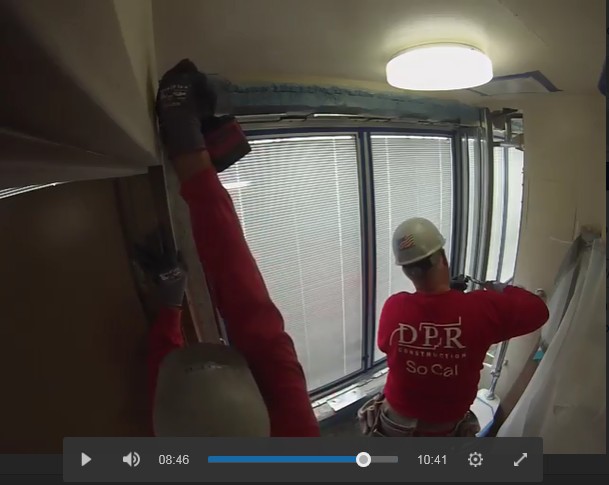
- Do: Record the activity using standard video equipment. Capture complete cycles of the work (e.g., drywall installation, including planning, measuring, cutting, and installation) within a 10–20-minute timeframe.
- Check: Include the workers in the review process. Break down the recorded activity into three categories: Value, Necessary Non-Value, and Waste. Identify areas for improvement.
- Adjust: Design a new work method based on worker feedback. This fosters innovation and encourages open communication.
Overcoming Resistance: Addressing Worker Concerns
The biggest challenge is often securing worker buy-in. It’s crucial to emphasize that these studies are designed to help workers improve their processes, not monitor or control them. Common concerns include fear of layoffs or increased scrutiny. Transparent communication and a focus on collective improvement can mitigate these fears.
Tangible Outcomes: Real-World Benefits
First Run Studies deliver measurable results:
- Improved labor productivity
- Enhanced safety hazard identification
- Optimized material inventory and stocking
- Better tool and equipment selection
- Reduced waiting time and waste
- Increased worker morale and job satisfaction
- Decreased rework and improved quality
- Shorter project schedules
Key Lessons Learned: The Foundation for Lasting Change
The most important lessons are simple yet powerful:
- Go and See (Gemba): Observe work firsthand.
- Ask Why?: Challenge assumptions.
- Show Respect: Value worker input.
- Involve Workers: Make them part of the solution.
- See Waste: Identify inefficiencies.
- Improve (Kaizen): Make small, continuous changes.
- Create Standards: Document best practices.
- Repeat: Continuous improvement is an ongoing process.
Conclusion
The First Run Study method is a practical, data-driven approach to continuous improvement in construction. By actively involving workers and leveraging direct observation, companies can unlock significant gains in productivity, safety, and quality. The key is to treat workers as experts, listen to their insights, and empower them to drive lasting change


