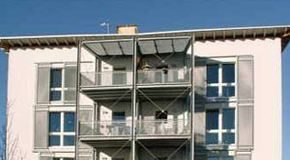
Advocate Health Care, one of Illinois’ largest health systems serving 3.4 million patients across over 400 care sites, recently completed the East Tower at its Christ Medical Center using an innovative project delivery approach. The project demonstrated substantial cost savings and efficiency gains, offering valuable lessons for other healthcare organizations seeking to optimize capital investments.
The Integrated Lean Project Delivery (ILPD) Approach
Advocate leveraged Integrated Lean Project Delivery (ILPD) to reduce waste, streamline construction, and improve the final product. This method resulted in $6.07 million in cost reduction opportunities and $2.77 million in scope enhancements while maintaining high-quality care facilities. The key to this success lies in several core strategies:
Early Trade Partner Engagement
One critical element was engaging trade contractors from the beginning of the design phase. This allowed for real-time collaboration on system design, accurate pricing, and early identification of potential clashes. This proactive approach also supported Advocate’s compliance with rigorous LEED for Healthcare standards, resulting in a building that uses 28% less water and achieves $259,000 in annual energy savings over code requirements.
The Integrated Form of Agreement (IFOA)
Advocate implemented an Integrated Form of Agreement (IFOA) to formalize a true partnership between all stakeholders—the client, architects, engineers, contractors, and tradespeople—under a single agreement. Key features of the IFOA include:
- Collaborative Contract: The contract is structured to incentivize teamwork and shared success.
- Performance-Based Rewards: Teams are financially rewarded for collaborative behavior and exceeding project value targets.
- Shared Financial Risk/Reward: All participants share in the financial gains (or losses) based on overall project performance.
Innovative Design Strategies
Beyond the IFOA framework, Advocate also employed several design strategies to maximize value:
- Target Value Design: A collaborative process where the budget is the primary design constraint, driving cost-effective solutions. This approach alone saved $4.35 million on the project.
- Pull Planning: Working backward from the completion date to identify bottlenecks and optimize scheduling, leading to improved resource leveling and reduced lead times.
- Modular Design: Prefabricated components shaved 10 weeks off construction time and improved quality control and worker safety.
The team embraced experimentation and accepted that setbacks are part of the process. The key is to learn from failures and refine strategies over time.
Key Takeaway
Advocate Health Care’s success demonstrates that integrated project delivery approaches can drive significant value for healthcare organizations. By fostering collaboration, embracing innovation, and prioritizing long-term outcomes, healthcare systems can deliver high-quality facilities efficiently and cost-effectively.
Note: The original source material was a case study describing a successful construction project. The rewrite aims to present this information in a more structured, clear, and engaging manner for a broader audience. The key facts and figures were preserved while adding context and explaining the significance of the project’s approach.