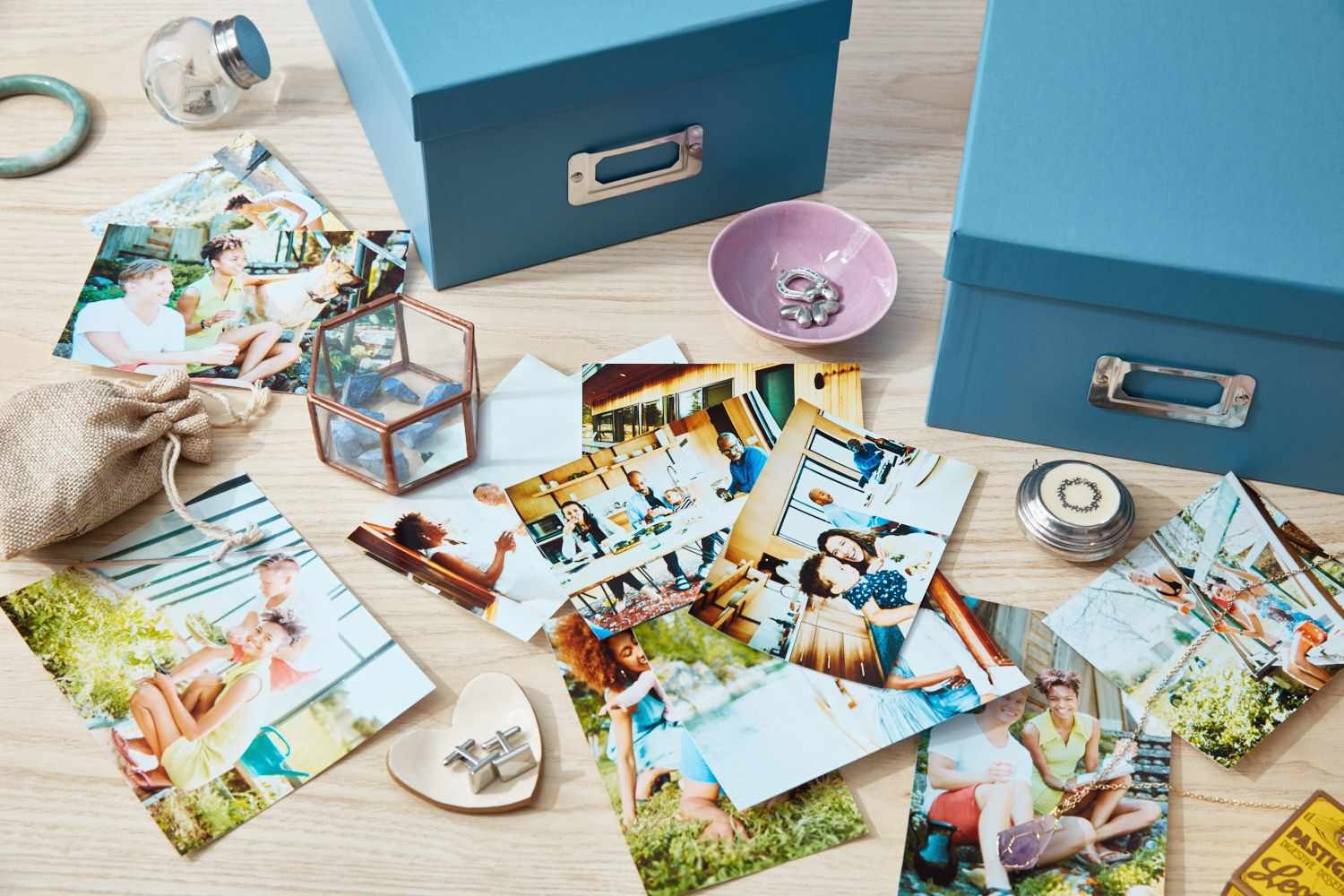
Many find it easier to discard unwanted possessions than to part with items carrying emotional weight. Sentimental clutter – handwritten letters, old gifts, cherished clothing – is notoriously difficult to deal with because of the guilt, attachment, and worry that come with considering disposal. While general decluttering advice often falls short in these cases, professional organizers suggest specific techniques to navigate this challenge with less emotional strain.
Reframing the Process
Avoid language that feels like “getting rid of” things. Instead, approach sentimental items with respect: honor the memories they hold before letting them go. Professional organizer Liora Seltzer stresses that this mindset shift reduces stress. The goal isn’t simply disposal; it’s acknowledging the object’s significance and then accepting its release.
The Sensory Approach
Before making final decisions, engage your senses. Decluttering coach Emily McDermott recommends holding, examining, and even smelling the item to truly assess its emotional value. This method helps determine if the object genuinely evokes strong memories or is simply held onto out of habit. Don’t assume today’s sentiment will last into the future. Periodic reassessment using this approach is key to preventing clutter buildup.
Strategic Timing
Save sentimental decluttering for last. According to the KonMari Method, tackling easier categories first builds decluttering confidence. Seltzer explains that experience in parting with less emotionally charged items prepares you for the heavier task of letting go of cherished possessions.
Slow and Steady Wins the Race
Avoid rushing the process. Professional organizer Barbara Brock emphasizes the emotional toll of decluttering meaningful items. Start small – a single drawer at a time – to avoid overwhelm and reinforce the positive effects of letting go. Support from a trusted friend, family member, or professional can also make the process easier. If a deadline looms, it’s okay to temporarily pack items for later review.
Prioritize Space
Focus on larger items first. While a box of letters might seem manageable, tackling bulky objects yields more immediate results in terms of freed-up space. The same mental effort applies, but the tangible impact is greater.
Weighing Gains and Losses
Evaluate the necessity of physical possession. After using the sensory approach, ask yourself if keeping the item is truly essential to preserving the associated memories. McDermott suggests writing down the memories the item evokes and assessing what will be lost if you part with it. Emotional freedom and extra space can sometimes outweigh the sentimental value of the original object. Allow yourself to grieve; parting with cherished items is a valid loss.
Self-Care is Crucial
Decompress after decluttering. The process is emotionally draining, and Seltzer advises against immediately tackling other major tasks. Allow time to process feelings and adjust to the change.
Alternative Ways to Honor Memories
Physical possession isn’t the only way to preserve sentiment. Consider alternatives: create a photo album of items you let go of, or repurpose old clothing into keepsakes like quilts. Once the significance is captured, the original object may no longer be needed.
In the end, successful sentimental decluttering isn’t about erasing the past; it’s about respecting memories while reclaiming space and mental clarity. Letting go doesn’t diminish what once was, but rather allows you to move forward without being weighed down by unnecessary possessions.