


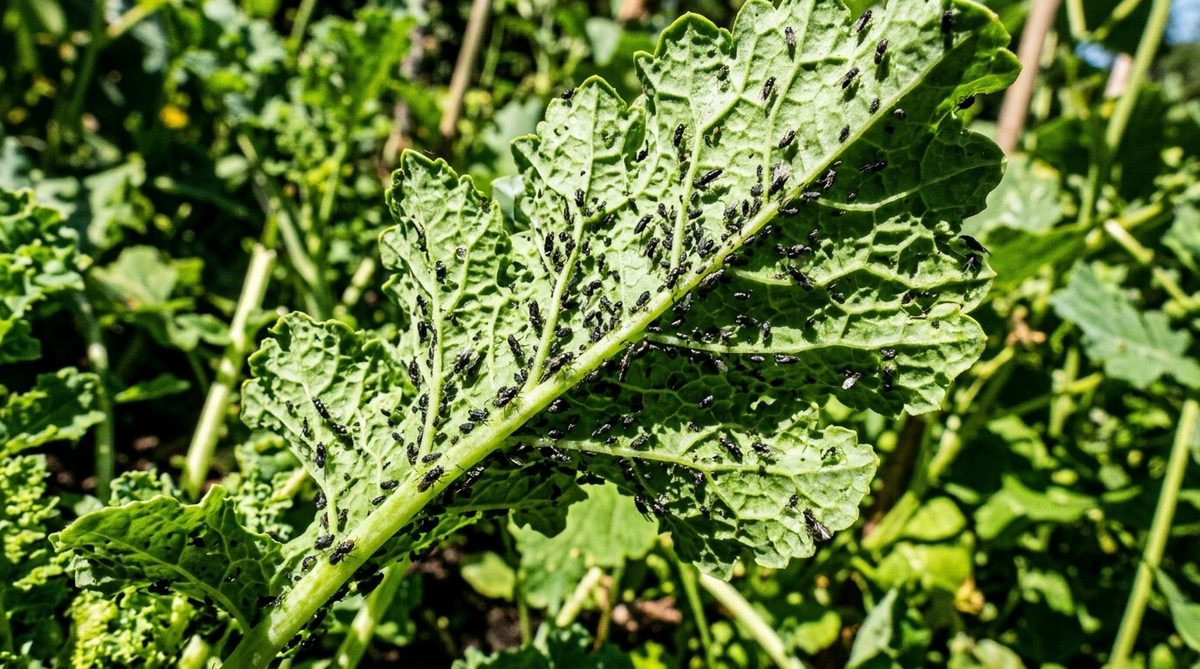
You’ve probably been taught that a swarm of insects buzzing over your vegetables is a red flag. It signals neglect. It signals failure. It signals that you’ve let your garden go to seed.
But look closer.
As the summer heat spikes and temperatures climb, you might notice dense clouds of tiny, dark flies hovering above your tomato plants. Your instinct screams pesticide. Your wallet screams expensive solution. Stop.
This isn’t a sign of bad gardening. It’s a sign of a biological immune system kicking in. These flies are cecidomyies, and they are working overtime to save your crop.
The Cécidomyie: Nature’s Silent Assassin
Let’s cut through the panic. Those annoying little black gnats aren’t invading your garden to destroy it. They are there to hunt.
Specifically, they are targeting aphids.
Aphids thrive in the heat. They suck the life out of your summer vegetables, leaving leaves yellowed and stunted. It’s a classic summer problem. Most gardeners reach for the spray bottle. That’s a mistake.
The cécidomyie operates on a different level. These flies are attracted to the scent of aphid colonies from a distance. They don’t just hover; they act. The female lays her eggs directly inside or near the aphid clusters on the undersides of leaves.
When the eggs hatch, the real work begins.
How Larvae Eliminate 80 Aphids a Day
The magic happens underground—or rather, inside the leaf structure. The larvae are microscopic, stealthy predators. They don’t fly away. They stay put.
And they eat.
A single cécidomyie larva can consume up to 80 aphids per day. That is a level of efficiency synthetic sprays can’t match. They don’t just deter the pests; they decimate the colony from the inside out.
This is natural pest control that costs nothing. No chemicals. No runoff into your soil. No killing off the bees or the butterflies that also pollinate your garden. Just a highly targeted extermination service provided by nature.
If you spray, you kill the larvae. You kill the protection. You invite the aphids back in with open arms.
What You Should Do Right Now
When you see these swarms, your first move shouldn’t be to buy repellent. It should be to observe.
- Check the undersides of leaves. Look for clusters of aphids. If you see them, you’ll likely find tiny, translucent larvae nearby. That’s your proof the system is working.
- Wait two to three weeks. Give the larvae time to do their job. In that window, the aphid population should plummet. The leaves will recover, regaining their vigor and color.
- Avoid chemical treatments. Broad-spectrum insecticides will wipe out the cécidomyies just as fast as they kill aphids. You’ll be left with a sterile, aphid-free garden that’s quickly re-infested by new colonies.
This approach requires patience. It goes against the urge to “fix” things immediately. But letting the cécidomyies work transforms a potential disaster into a bountiful harvest. Your vegetables will be healthier, free from chemical residues, and likely more flavorful.
Is it weird to cheer for a swarm of gnats? Sure. Is it effective? Undeniably.
By trusting these small, unassuming insects, you’re not just managing pests. You’re building a resilient ecosystem. The next time you see those black clouds hovering over your tomatoes, don’t shoo them away. Let them work. Your dinner table will thank you later.


