


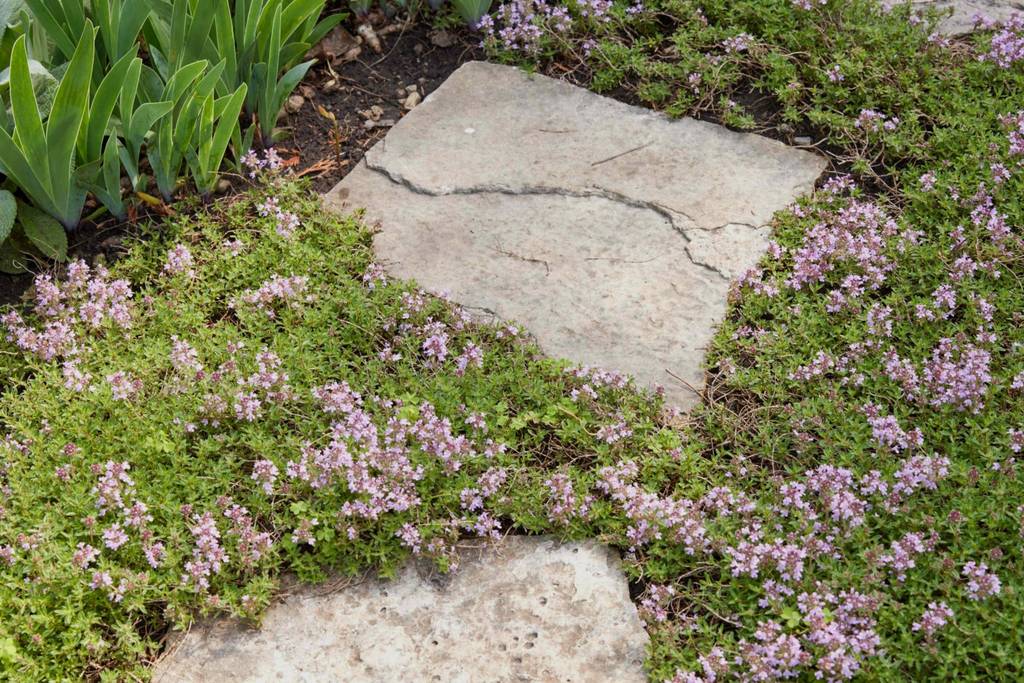
Lush, green grass is a luxury that doesn’t exist in every yard. Some patches of soil are too steep. Some get too much shade. Some are just plain rocky. That’s where groundcovers step in. They hug the dirt, fill the gaps, and keep your landscape from looking like a patchwork quilt of bare earth. But planting them is timing-sensitive. If you wait until late fall, they might not root deep enough to survive the freeze. August is actually a sweet spot—if you play it smart.
You need to avoid the dog days of extreme heat. Give the plants a fighting chance with consistent water until they establish. Add a light layer of mulch to hold in moisture. Avoid heavy mulch, which can suffocate shallow roots. Here are 12 groundcovers worth planting now to get those autumn colors jumping.
Poppy Mallow
They call them wine cups because the flowers look like tiny goblets. Wildflowers. Low maintenance. Drought tolerant. They love the late summer warmth as long as temps stay between 50 and 80 degrees. If your zone allows it, poppy mallow is an easy win. It comes in pink, purple, or white.
- USDA Zones: 4 to 9
- Colors: Pink, purple, white
- Soil: Well-drained, medium moisture
Iceplant
There are tons of species here. Some are beautiful. Some are invaders. Highway iceplant? Stay away if you live in a state where it’s classified as invasive. It spreads like crazy. Give it full sun and it’ll carpet your yard in no time. Watch out for cold sensitivity though. Not all iceplants handle winter alike.
- USDA Zones: 4 to 11
- Colors: Pink, red, purple, yellow, orange
- Soil: Sandy, well-drained, neutral
Stonecrop
Sedums. Everyone knows them. White sedum with white flowers? Classic. Pink Mongolian stonecrop blooms late summer. Japanese stonecrop drops hot pink blooms in the fall. They’re generally drought-tolerant junk plants that thrive in sun. Just don’t drown them.
- USDA Zones: 3 to 10
- Colors: Red, pink, yellow, white
- Soil: Sandy, loamy, well-drained. Tolerates acidic to neutral pH.
Nepeta x Faassenia
Catmint. Cats love it. Gardeners love it because it suppresses weeds and blooms all summer. Nepeta x faassenii works well as a groundcover. It doesn’t need perfect conditions. Full sun or partial shade both work. Dry to medium moisture is fine.
- USDA Zones: 3 to 8
- Colors: Blue, pink, white, violet
- Soil: Dry to medium moisture, well-drained
Creeping Thyme
Think about it. You can cook with it. Or you can let it walk all over your garden beds. Creeping thyme is hardy. It handles poor soil as long as drainage is good. No soggy roots. Full sun is best, but it survives. Weeds don’t stand a chance against it.
- USDA Zones: 2 to 9
- Colors: Pink, white, purple
- Soil: Well-drained. Sandy. Neutral to alkaline.
Lilyturf
Specifically Liriope muscari. It blooms from August straight through September. Lavender spikes. Or white. Mostly prefers shade, but can take some sun if you water it. Good for under trees where grass refuses to grow.
- USDA Zones: 4 to 10
- Colors: Lavender, white
- Soil: Well-drained, sandy, acidic.
Vinca Minor
Periwinkle. Fast-spreader. Drought-tolerant once established. Shade or sun? Doesn’t matter. Temperate climates suit it best. Add compost to the soil before planting. But be careful. It’s invasive in some U.S. areas. Check your local rules before you dig.
- USDA Zones: 4 to 9
- Colors: Blue, lavender, purple, white
- Soil: Loamy, sandy, clay.
Blue Star Creeper
Delicate pale flowers. Green foliage that looks like miniature clover. Tolerates foot traffic. That’s huge if you have dogs or kids. They bloom through summer into fall. Sun or shade? Both work. Moist, well-draining soil helps them perk up.
- USDA Zones: 6 to 8
- Colors: Blue, purple
- Soil: Moist, well-draining. Acidic to neutral.
Carpathian Bellflower
Low-growing bellflowers. Bell-shaped blooms. Deer-resistant. A rare gift. They prefer cooler climates. Humidity is a no-go. But they tolerate full sun to partial shade. If you’re in a humid zone, this might not be for you.
- USDA Zones: 3a to 8b
- Colors: Blue, purple, white
- Soil: Loam, sand. Well-draining. Neutral to alkaline.
Birdsfoot Trefoil
Named for the flower shape. Looks like a bird’s foot. Blooms in late summer. Prefers sun but tolerates shade. Likes rocky, clay-heavy, or well-drained soils. If your yard is a mess of rocks, this might actually thrive where nothing else can.
- USDA Zones: 3 to 9
- Colors: Yellow, orange, red
- Soil: Well-drained. Clay. Rocky.
Hardy Geranium
Also known as cranesbill. Grows densely. Cup-shaped blooms. Summer into fall color. Full sun to partial shade. It’s not fussy. Well-drained soil. Medium moisture. Neutral to acidic pH. A reliable workhorse for the edge of your beds.
- USDA Zones: 3 to 9
- Colors: Blue, lavender, pink, purple,
- Soil: Well-drained, medium moisture. Neutral to acidic.
Cape Plumbago
Grows like a shrub or a vine. Sprawling. Moist, warm climates are ideal. Full sun preferred, but a few hours of shade are okay. It grows fast. Too fast. Prune it. Deadhead it. Regularly. If you let it go, it takes over. Blue, pink, or white blooms.
- USDA Zones: 8 to 11
- Colors: Blue, pink, white
- Soil: Organically rich. Well-draining.
Planting in August means beating the winter frost. Water well. Mulch lightly. Pick species suited to your local climate and soil type. Some of these will ask for little more than a shove into the ground. Others need a bit more pampering. Just keep the water coming until those roots grab on. Then sit back. The color will come.


