You probably have a bottle of chlorine bleach sitting in your cupboard. It smells like a public pool and strips the life out of fabrics. There is a better way. It starts with a citrus fruit.
Lemon juice is not just for drinking. It is a potent cleaning agent. The citric acid breaks down tough stains. It whitens fabrics naturally. It works on rust and mildew. And it leaves no chemical residue behind.
Why Choose Lemon Juice for Laundry?
Most commercial cleaners are chemical cocktails. You can rarely pronounce the ingredients list. Who wants that on their clothes? Especially when something simpler exists.
Lemons contain enzymes and acids strong enough to brighten cotton. They can whiten a blouse. They can also clean your teeth. That same power applies to your laundry load.
“Lemon juice is a great bleach alternative. It smells better and is safe for colors.”
Using it means you avoid harsh chemicals. Your clothes come out soft. They come out bright. And they do not smell like a swimming pool.
The Natural Bleach Alternative
If your whites look dingy, bleach might be your go-to. But lemon juice works just as well for many stains. The acid lifts the grime. It restores brightness without the damage.
This method is safe for colored fabrics too. Chlorine bleach can fade colors. Lemon juice brightens them. You can add one cup of lemon juice to your wash cycle. Use your regular detergent. Let it work.
The result is cleaner whites. And a fresh scent. Not a chemical one.
Eliminate Rust Stains Naturally
Rust stains are stubborn. They set deep into fibers. Water alone will not remove them. Bleach can sometimes make them worse.
Lemon juice targets rust directly. The acid dissolves the iron oxide. Here is how to handle it.
Apply fresh lemon juice directly to the stain. Let it sit. Sunlight helps activate the acid. Hang the garment outside if you can. The UV rays boost the whitening effect.
Rinse thoroughly. Wash as usual. The rust should lift. Your fabric stays intact. No harsh solvents needed.
Soften Fabric Without Chemicals
Commercial fabric softeners coat fibers. They build up over time. This traps odors. It reduces absorbency.
Lemon juice offers a different path. It works as a natural softener. Mix it with baking soda for extra power. The combination breaks down residue. It leaves fibers soft.
Your clothes feel gentle against your skin. They smell clean. Not perfumed. Just fresh.
This approach costs less. It is safer for sensitive skin. And it keeps your machine cleaner. Less buildup means fewer repairs.
Clean Leather Shoes Naturally
Leather shoes need care. Store-bought polishes often contain silicones. They create a fake shine. They can clog the leather pores.
Lemon juice cleans leather safely. Dampen a soft cloth. Dip it in lemon juice. Wipe the shoes down.
The acid removes dirt. It conditions the leather. A final buff with a dry cloth brings out a natural shine.
Your shoes look renewed. The leather breathes. No plastic coating involved.
This method works for belts and bags too. Keep the cloth soft. Avoid scrubbing hard. Gentle pressure is

You thought you were safe in your crisp white button-down until you leaned against a rusted fence post. Now you are wearing the stain too. It is a specific kind of horror for anyone who likes clean clothes. You might grab the bleach. Do not do that. Bleach is fantastic for coffee spills, ketchup splatters, and chocolate mishaps. It turns those brown spots invisible. But rust? Bleach locks rust into the fibers. It sets the stain permanently.
Lemon juice is your actual savior here. The acid breaks down the iron oxide before it cements itself into the cotton or linen.
Start by boiling water in a tea kettle or on the stove. Pour some fresh lemon juice directly onto the rust spot. You want the fabric saturated. Then, hold the stained area over the rising steam. Keep it there for a few minutes. The heat helps the acid penetrate deeper. Do not get burned. Steam is invisible and deadly to skin. If you feel heat, pull back.
After steaming, wash the garment normally. The stain should be gone or significantly faded. If it is not, repeat the process.
3: Removing Juice Stains
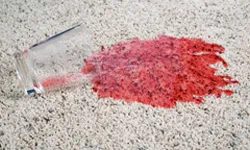
How to Remove Juice Stains with Lemon and Water
That sweet sailor dress from Aunt Jenny looks pristine until your toddler decides gravity is optional. One dropped sippy cup and juice splatters across the crisp white apron. It won’t stay clean for long, but you can fix it. Skip the bleach. Mix one-third cup lemon juice with two-thirds cup water. Soak the stained area in this solution. Wash the garment normally. The acid breaks down the stain without damaging the fabric.
Treating Mold and Mildew on Fabric
Humidity breeds mold. If your home lacks airflow, fabrics become a playground for spores. They eat through organic materials like paper, leather, and cotton. Discoloration happens fast. The damage can be permanent if ignored.
A paste of lemon and salt works as a spot treatment. Apply it directly to the mildew stains. Place the item in the sun to dry. UV light helps kill spores. Wash the item in hot water afterward. This ensures any remaining mold is destroyed. The combination of citric acid, salt, and sunlight tackles tough organic stains effectively.
Shine Your Shoes
Lemon juice also polishes leather. It restores dull surfaces to a natural shine. Apply a small amount with a soft cloth. Buff gently. The acidity cuts through grime.

The Leather Care Loophole
Most people assume that because synthetic alternatives are cheaper and easier to maintain, they’re the smarter buy. You can ignore that. If you care about the structure and the patina that develops over time, nothing beats a well-made leather shoe. The trade-off is the work. Real leather demands attention. It isn’t set-it-and-forget-it.
You need to clean it. You need to shine it. It’s a routine.
But there’s a shortcut that doesn’t involve expensive creams or specialized kits. It’s in your kitchen. Lemon juice acts as both cleaner and polish. The acidity cuts through grime while the citric properties help brighten the material.
Here is how to do it without ruining your footwear.
How to Clean Leather Shoes with Lemon Juice
Start with the basics. You don’t need a brush. You don’t need water.
- Dampen a soft cloth. Use a microfiber or lint-free rag. It must be damp, not soaking.
- Add lemon juice. A few drops are enough. You aren’t marinating the shoe.
- Wipe gently. Rub the surface in circular motions. Focus on the creases where dirt settles.
- Buff it out. Take a dry part of the cloth and buff the leather. This brings out the shine without leaving sticky residue.
It’s that simple. The lemon juice lifts the dirt. The buffing polishes the surface. It’s a two-in-one solution for the lazy or the efficient.
Why It Works
Lemon juice contains natural acids. These acids break down the oils and dirt trapped in the pores of the leather. It’s a mild degreaser. Unlike harsh chemicals that can dry out the hide, this method is gentle. It preserves the flexibility of the material.
However, caution is required. Acid affects color.
Fabric and Color Risks
Can lemon juice damage fabrics? Generally, no. It’s safe for most textiles. But leather isn’t a uniform material. It’s treated, dyed, and finished in various ways.
Always do a spot test. Pick a hidden area. The inside of the tongue works. Apply the damp cloth. Wait ten minutes. Check for discoloration or stiffening. If nothing happens, you’re good to go. If the leather darkens or feels rough, stop.
This is especially true for lighter shades. Lemon juice can lighten natural fibers. On leather, it might alter the dye. Test first. Assume nothing.
Stain Removal Timing
If you’re using this method for stains rather than general cleaning, timing matters.
Let the lemon juice sit on the stain for at least one hour. This gives the acid time to break down the compound. But don’t let it dry completely. Dried lemon juice can actually set the stain or leave a residue that’s harder to remove.
Wipe it away while it’s still damp. Launder if the material allows. For leather, just wipe and buff.
The Bottom Line
Leather shoes last longer than synthetics. They mold to your feet. They look better with age. But they need care.
You don’t need a shoe shine kit. You don’t need to learn complex techniques. A damp cloth. A little lemon juice. A clean