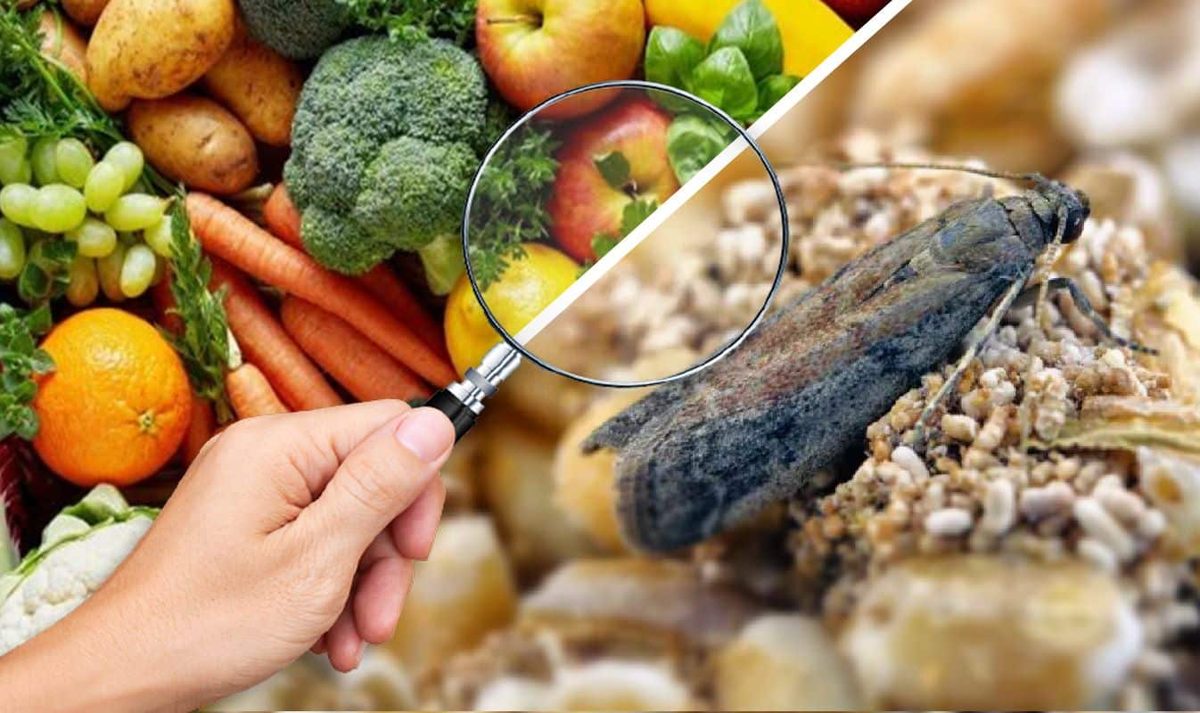
Finding live moths fluttering out of your flour bin is a specific kind of kitchen horror. You open the cupboard, reach for the bag, and suddenly—movement. Tiny, dusty wings. The realization hits: your pantry has been compromised.
It happens to everyone. You bought what looked like a sealed package. It sat on the shelf. Then, one day, you see them.
These pests are not random visitors. They are attracted to high-starch foods, sugary cereals, and dried goods. Pasta, rice, nuts, pet food, and birdseed are all prime real estate for their larvae. Your kitchen is essentially a buffet for Plodia interpunctella, commonly known as the Indian meal moth.
Most people react by throwing everything away. That works, but it is expensive and messy. You might find another infestation in a bag you forgot about in the back of the cabinet. There is a simpler way. A single, common ingredient stops them. Permanently.
Why Moths Return to Your Pantry
Understanding the enemy helps you beat it. Moth eggs are microscopic. They are often already inside the grain when you buy it from the store. You cannot see them. You cannot smell them. They hatch inside the packaging.
The larvae eat. They grow. They spin silk. This is the part you notice. The silk clumps the flour together. It creates webbing. It ruins the texture of your baking ingredients.
The adults do not eat the food. They look for a place to lay eggs. Anywhere. Cracks in the wood. Corners of the cupboard. Seams of the box. If you do not clean the space, they will find another bag. And another.
The One Ingredient That Works
The secret is not bleach. It is not vinegar. It is not a commercial pesticide spray.
It is diatomaceous earth (food grade).
This is not a chemical insecticide. It is a powder made from the fossilized remains of diatoms. These are microscopic algae. The particles are sharp on a microscopic level. They are abrasive.
When moths or their larvae crawl through the powder, the substance cuts their exoskeleton. It absorbs the oils and fats from their outer layer. They dry out. They die. It is physical, not chemical.
This is why it works where sprays fail. You can dust the powder inside the cupboard. Around the flour bin. Near the rice canister. It does not evaporate. It does not lose potency. It waits.
How to Apply It Safely and Effectively
You need food-grade diatomaceous earth. Do not use pool-grade. Pool-grade is treated with chemicals and is hazardous to breathe. Food-grade is safe for homes with pets and children, provided you use it correctly.
Here is the process.
First, empty the pantry. Remove every box. Every bag. Every can.
Inspect the contents. If you see webbing, clumping, or bugs, discard the item. Put it in a sealed bag outside immediately. Do not leave contaminated food in the house. It will just spread the eggs.
Next, vacuum the shelves. Use the crevice tool. Get into the corners. Get behind the shelf brackets. Moths hide in the dark. They
Spotting the Invaders and the Damage They Do
Darkness is the ultimate lure. Sugar, starch, fats—they all draw them in, but they crave the shadows. Your flour bins, biscuit boxes, and pasta packages become prime real estate for nesting and laying eggs. Cereal, rice, dried fruits, even chocolate bars are fair game. Because the females lay eggs directly inside the food supply, larvae have an immediate buffet waiting for them when they hatch.
Identifying them is straightforward if you know what to look for. Adult food moths have forewings marked with small spots and pale, whitish hindwings. They range from one to two centimeters in length. The eggs are tiny and white. But the real giveaway? Spotted food moths leave behind little white worms. If you find them, you have an infestation. They aren’t toxic or dangerous to human health directly, but their reproductive speed is staggering. They turn from pests into an infestation in days.
Prevention is Your First Line of Defense
Stop giving them access. The most effective way to keep spotted food moths out of your pantry is to store everything in airtight containers. Glass jars with rubber seals or heavy-duty plastic containers work best. Loose boxes? They are open invitations. Clean your storage surfaces regularly. Dust and crumbs are just as attractive as the food itself.
Consider the cold. Storing dry goods in the refrigerator or freezer is a game-changer. It preserves quality and ensures that if any eggs were already present, they are neutralized. You won’t have to worry about discovering bugs when you grab a box of oats.
If you spot them, do not hesitate. Deep clean immediately. Remove larvae and cocoons from every crack and crevice. Use airtight containers that are truly sealed. These moths are small enough to slip under loose lids, so ensure a tight fit. No gaps. No holes.
The Garlic Solution
When contamination happens, the contaminated food must be discarded. It is lost. Throwing away food is expensive, especially if it keeps happening. There is a natural deterrent that works reliably: garlic.
It sounds unusual, but strong odors repel these pests. Add a whole clove of garlic to your dry food containers. The compounds in garlic drive spotted food moths away, preventing them from laying eggs inside. The best part? Garlic does not impart a flavor or smell to your dry goods. It stays in its own space, acting as a silent guard.
Spotted food moths are a nuisance that ruins food and spreads across pantries. If you see them, discard the affected items and clean thoroughly. Use garlic as a preventive measure. It is simple, effective, and keeps your dry goods safe from these persistent pests. The question remains whether you will keep your pantry open to them or seal it tight.