


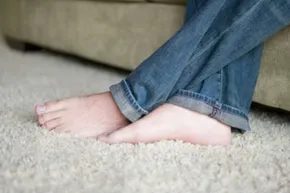
You can buy the most expensive fiber in the world, but if the foundation is weak, it’s just a expensive rug waiting to fail. Most homeowners skip the padding. They see it as an unnecessary extra cost. That is a mistake. The underlay is not just a layer of foam. It is the shock absorber for your floor. It determines how the carpet feels underfoot. It dictates how long the carpet will last.
Think of it this way. The carpet face is the star. The padding is the stage. Without a solid stage, the performance collapses. You get premature wear. You get flattened fibers. You get a floor that feels hard and unforgiving.
Why Padding Matters More Than You Think
Good padding does three things. First, it adds cushion. This is the immediate comfort you feel when walking barefoot. Second, it extends the life of the carpet. By absorbing the impact of foot traffic, it reduces friction on the carpet fibers. Less friction means less wear. Third, it improves sound insulation. It dampens the thud of footsteps. This matters if you have hardwood downstairs or live in a multi-unit building.
Cheap padding does none of this effectively. It compresses quickly. It becomes a permanent dent in your floor. It offers no support. Over time, the carpet fibers break down faster because they lack resistance. You end up replacing the carpet sooner than you should have. That costs more in the long run.
Choosing the Right Material
Not all pads are created equal. You need to match the pad to your needs. Here are the main options available.
- Foam: This is the most common choice. It comes in rolls or squares. It is affordable and widely available. However, it can break down over time. Low-density foam flattens quickly. High-density foam holds up better but costs more. Avoid the thin, cheap rolls you find at discount stores. They offer little support.
- Rubber: This is durable. It resists moisture well. It is a good choice for basements or areas prone to dampness. It is also heavy. This can make installation harder. It provides a firm feel rather than a plush one.
- Felt: Made from recycled fibers, this is an eco-friendly option. It is soft and comfortable. It offers good sound absorption. However, it can absorb moisture if it gets wet. This makes it less ideal for below-grade installations unless you have a perfect moisture barrier.
- Waffle-Back or Saddleback: These are types of foam pads with a textured surface. The texture helps the carpet fibers interlock with the pad. This reduces shifting. It can help prevent wrinkles.
Density and Thickness Are Key
When shopping, look at the density. Not the thickness alone. A thick pad with low density will feel soft at first. Then it will crush. Within a year, it will be flat. You want high density. This means more material per cubic foot. It resists compression. It bounces back.
How do you check density? Press your thumb into the sample. If it feels hard to press down, that is good. If it squishes easily, it is likely low density. Avoid pads that are thinner than 3/8 inch for most residential applications. Th
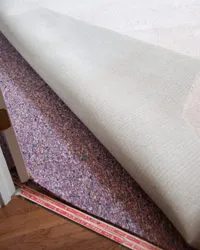

The Hidden Foundation: Why Padding Matters
Skip the cheap stuff. It’s tempting to pinch pennies on carpet padding to save twenty or thirty dollars at checkout, but that’s a false economy. Think of padding like the foundation of a house. You don’t see the concrete slab, but the whole structure collapses if it’s weak. Your carpet relies on that hidden layer for support, strength, and cushioning.
If you skimp here, the damage shows up fast. You won’t notice the bad padding initially, but you’ll definitely see the premature wear on the new carpet itself within months. The padding conceals subfloor imperfections, acts as thermal insulation, and dampens sound. More importantly, it stops the carpet backing and fibers from breaking apart under stress.
Check with your manufacturer first. They know their product best. High-traffic zones need firm, dense pads. Guest bedrooms? Less density is fine. You also need to match the pad to the carpet type. The Carpet and Rug Institute suggests specific metrics:
- Cut pile or cut loop: Go for a 7/16-inch (11mm) pad with 6 pounds per cubic foot density.
- Berber or thin loop: Stick to 3/8-inch (9.5mm) or thinner, but bump the density to 8 pounds per cubic foot.
Wrong match? The carpet fails faster. Don’t let a few bucks cost you a full replacement job down the line.
Choosing Style: It’s About Lifestyle, Not Just Looks
Carpet comes in distinct styles: plush, Saxony, Berber, textured, and frieze. These terms describe the pile —the surface yarn tufts that are either looped, cut, or both. Sure, they look different. But style should be the last thing on your list. Your daily routine dictates which carpet survives.
Plush carpeting features tightly twisted pile. It’s thick, soft, and looks expensive. But it’s unforgiving. Footprints show up instantly. Vacuum tracks remain visible. Over time, the fibers can “pool,” creating shaded patches where the direction of the nap has been reversed by heavy use. Saxony is similar. These work best in low-traffic spots like formal living rooms or master bedrooms where shoes rarely tread.
Berber is the opposite. It uses continuous fiber loops, creating a flat, dense surface. You might see level loops, cut-and-loop patterns, or multi-level designs. It’s tough. It hides soil. It resists tracks. If you have kids, pets, or just a lot of foot traffic, Berber is a pragmatic choice.
Textured carpet cuts fibers to varying heights. This uneven surface reflects light differently, masking dirt and tracks effectively. It’s another winner for busy households. Some Berbers fall into this category too.
Frieze is a cut-pile style made from slightly twisted fibers. It’s less formal than plush but more refined than basic textured options. The twisted fibers are soft underfoot and naturally hide footprints and dust. It’s a balance of comfort and camouflage.
Protecting Your Budget Without Sacrificing Quality
Don’t blow your budget on the wrong choices. The goal isn’t to spend the least amount possible, but to spend wisely. Cheap padding ruins good carpet. Wrong style means early replacement. Match the density to the traffic. Match the material to the room. That’s how you stretch your dollar further over the life of the floor.
What happens when the carpet finally gives out? You’ll be ready.


You don’t need to empty your savings account for luxury flooring. The trick is shopping strategically. Ask suppliers to break down the quote. Separate the material cost from the installation fee. This lets you compare apples to apples. One store might offer cheap carpet but charge a premium for labor. Another might do the opposite. The breakdown reveals the real deal.
Tailor your choice to the room. A busy family room takes a beating. Here, splurge on stain-resistant fibers. Your guest room? Probably fine with budget-friendly, low-traffic options. You’re not wasting money; you’re matching durability to need.
Think long-term. Maintenance and replacement costs matter. If kids or pets are in the house, consider carpet tiles. They beat rolled carpet for easy fixes. Spill a glass of wine on one tile? Swap it out. No need to redo the whole room. It keeps the floor looking fresh without the full replacement price tag.
Material choice dictates price and performance. Wool is top-tier. It feels great. It lasts. It costs more. Nylon and other synthetics mimic that feel for less. For damp spots like basements or stairs, look at Olefin or polyester. They handle moisture better and cost less.
How to Choose the Right Carpet Installer
Where you buy matters. Showrooms, big-box stores, furniture outlets, and online retailers all stock carpet. But not all sellers are equal. Look for a specialist. A dedicated carpet store usually has a wider range of fibers. Wool, synthetics, blends, sisal, linen, jute, coir, woven vinyl. The staff should know their stuff. Let them answer questions. Take samples home. See how they look in your light.
Installation quality is non-negotiable. Bad installation ruins good carpet. Look for lumps. Check for visible seams. A poor job leaves gaps and bumps. Ideally, buy from a store that employs its own installers. They are usually more skilled. More experienced. They answer to the store directly.
Most dealers use subcontractors. This isn’t always bad. But verify their track record. How long have they worked with that dealer? Years of collaboration often means reliability. If the installer is new to the shop, proceed with caution. You want hands that know the floor.
What Maintenance Does Your Carpet Need?
Different fibers demand different care. Wool needs gentle cleaning. Harsh chemicals can damage the natural fibers. Synthetic carpets like nylon are tougher. They handle aggressive stain removers better. Check the manufacturer’s guidelines before you buy. The care instructions are part of the price you pay.
Vacuum regularly. Dirt acts like sandpaper. It grinds into the fibers. Over time, it wears them down. In high-traffic areas, vacuuming should be a daily habit. For lower-traffic rooms, weekly is fine. Use a vacuum with a beater bar for deep pile. A simple brush roll works for low pile.
Spills happen. Treat them immediately. Blot, don’t rub. Rubbing pushes the stain deeper into the backing. Use a clean, white cloth. White ensures you don’t transfer dye from the rag to the carpet. If you can’t get the stain out, call a pro. Don’t guess. Wrong solutions can set stains permanently.

Sticking to low-maintenance options is probably the smartest move you can make if you want to enjoy your new floor for more than a year. If you have kids running around or pets tracking mud and accidents, shag rugs and high-end delicate fibers are asking for trouble. They are nightmares to clean. Stain-resistant carpets exist for a reason. They stop the panic of a spilled drink and cut down the hours you spend scrubbing.
Always ask the salesperson about the upkeep before you sign anything. Find out exactly how often you need to deep clean it. Do they require specific chemical treatments or special machines? If the manufacturer demands a level of care you simply don’t have time for, walk away.
Material and style dictate your daily life. Textured rugs are your friend here. They hide footprints and vacuum tracks better than smooth surfaces. For high-traffic zones like hallways or living rooms, look for textured Saxony, level loop, or high-density loop carpets. These resist dirt buildup and make routine cleaning significantly easier. Cut pile and multilevel loop designs trap dirt and fight back against cleaning efforts. Save those for bedrooms or low- to medium-traffic areas only.
Decoding Carpet Warranties
Warranties can be confusing. There are five-year options, ten-year options, matting and crushing guarantees, and promises against stains or appearance changes. Generally, higher quality carpets come with more coverage. But do not buy a carpet just because the warranty looks impressive on paper. Most warranties offer very little actual protection.
Consider a “wear” warranty. Manufacturers often define wear as a bald spot where fibers are completely gone. Homeowners usually consider a carpet worn the moment it loses its original luster or looks dull. The definitions don’t match.
A crushing warranty is another trap. It might say if the pile height can be restored to a certain percentage, the warranty is void. But you can often restore pile height using hot water extraction and a pile rake. The manufacturer knows this. They will say the warranty doesn’t apply because you fixed it yourself. Then you walk on it, it crushes again, and you are left with a flat, damaged floor.
Most complaints aren’t about manufacturing defects. They are about improper installation. These issues fall on the retailer. Before you buy, ask what recourse you have if the installer does a bad job. Make sure you know who to blame when the seams fail or the carpet wrinkles.
Comparing Color and Patterns
Color choice is more than aesthetic. It affects how often you see dirt. Darker colors show lint and pet hair more easily. Lighter colors show mud and stains. Neutral tones like beige or gray tend to hide daily grime best. Patterns can also disguise wear. A busy pattern hides footprints better than a solid color. Consider the lighting in the room too. Natural light can make colors look different than they do in the store. Bring a sample home if you can. See how it looks in your specific space at different times of day.
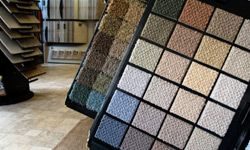

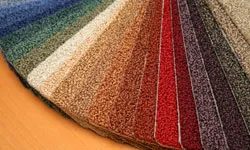
Color selection feels like the hardest part of buying carpet. With endless shades and designs, it is easy to get paralyzed. Narrow your search by picking tones that set the mood for each room. Cool blues or greens create calm. Warm reds or golden hues make large spaces feel cozier. Light colors like cream or tan open up small, claustrophobic rooms.
Before picking a neutral shade, decide if the carpet should stand out or disappear. Only choose neutral if your walls, furniture, or artwork are the focal points. Otherwise, you risk a plain, monotone look. Dark shades and tweed textures hide stains well. To mix patterned rugs with other designs, stick to the same color family. For maximum versatility, try carpet tiles. You can create custom patterns or add borders to the room’s perimeter.
Always ask for samples. Get the biggest ones available. Take them home. Examine them in natural light before buying. Sun exposure fades colored carpeting. Choose fade-resistant products if the carpet gets direct sunlight.
Stair Carpeting: Avoiding Grinning and Snags
Stairs take a beating. The carpet must bend over each step’s edge. You need the right material. Cut-pile is better than looped pile for stairs. Looped piles tend to “grin.” This happens when spaces between loops open up as the carpet curls over the step. Looped carpets also snag at seams or transition areas.
Density matters too. If the carpet is thin, you will see the backing when it curves over the steps. Test density by sticking your fingers deep into a sample. If you feel the backing easily, it is not suitable for stairs.
The ideal choice is woven wool. Wool is durable. Its woven backing keeps yarn in place. This is crucial for stairs. Unfortunately, wool is expensive.
Eco-Friendly Carpet Options
Going green means looking at materials and impact. Natural fibers like wool, jute, and sisal are renewable. They decompose easily. Synthetic options like nylon or polyester are durable but less eco-friendly. Look for carpets with low VOC (volatile organic compound) emissions. These improve indoor air quality. Some brands offer recycled content. Check for certifications like Green Label Plus. This ensures low chemical emissions. Consider the lifespan too. A long-lasting carpet reduces waste.
The Hidden Cost of New Carpet Smells
That sharp, chemical scent when you unpack new flooring? It’s not just a sign of freshness. It’s volatile organic compounds (VOCs) off-gassing into your living space. Compounds like formaldehyde degrade indoor air quality. For some, this triggers asthma. For others, it causes chronic allergies. You can block these toxic fumes by choosing natural fibers. Wool and jute are strong contenders. They breathe better than synthetics. Just verify the dyes are organic. Chemical-free dyes keep the air in your home cleaner.
But the environmental toll goes deeper than health. Nylon and similar synthetics rely on fossil fuels. That ties your floor to the petroleum industry. To cut your impact, look for recycled materials. Some carpets are literally made from recycled water bottles. Others use reclaimed carpeting to create new rugs. Check the recycled-content percentage before you sign the check. Renewable products offer a more sustainable path.
If the market feels like a maze, trust independent labels. The Carpet and Rug Institute’s Green Label Plus program sets strict low-VOC standards. Green Seal certifications also signal a lower environmental footprint. These labels cut through the marketing noise. They tell you exactly how the product impacts your family’s health and the planet.
Wall-to-Wall Carpeting vs. Area Rugs
Sometimes the best flooring choice isn’t flooring at all. Consider swapping wall-to-wall carpet for area rugs. They serve different purposes. Carpeting offers softness. It warms feet. It muffles sound. It cushions a fall. It’s also generally cheaper upfront. But it traps dust. It holds mites. If anyone in your house has allergies, carpet becomes an allergen reservoir. It absorbs odors, like pet accidents, deep into the padding. It wears out in about a decade. When it dies, you often have to replace the whole house’s flooring if the run is continuous.
Area rugs offer flexibility. They come in endless colors and designs. You can move them from room to room. They are easier to clean or swap out. You can make a bold statement with a single colorful rug. Plus, you can take it with you when you move. The catch? You need a good subfloor. The rug won’t hide cracks in your hardwood or stains in your laminate. The floor beneath must be in decent shape. There is also a safety risk. Loose rugs slip. Edges can trip you. Use a non-slip rug pad or double-sided tape to fix the hazard.
Balancing Quality and Budget
How do you balance carpet quality and budget constraints? Look at the total cost of ownership. Calculate maintenance and longevity against the initial price tag. A cheaper carpet might cost more over ten years due to replacements and deep cleaning. A higher upfront cost for durable, low-VOC options often saves money long-term.
What’s the best approach to selecting a carpet for allergy sufferers? Opt for hypoallergenic materials. Low VOC emissions are non-negotiable. Choose surfaces that are easy to clean. Hard-surface area rugs over natural wood subfloors are a practical combo. They reduce allergen buildup while keeping costs manageable. The right choice depends on your health needs, your wallet, and your willingness to maintain it. There is no single perfect answer. Just a series of trade-offs.


