Lisa Andrews is not a Boy Scout. She doesn’t wear a uniform or pin badges on a vest. But she lives by the motto anyway. “Be ready.” In Florida, that’s not an option. This is a survival strategy.
He works at Delray Medical Center. He drives around the state during hurricane season. He spoke to those who believed the storm would repeat itself on Tuesday. He told them the truth. Nature doesn’t care about your plans. She only cares about force.
Andrews focuses on one thing above all else. Storm survival kit.
Sounds simple. Pack the items into boxes. Keep it dry. Wait for the sky to turn black. But the difference between panic and peace of mind is what’s inside the box. And Do you really forget to check it when the wind starts howling.
I learned this the hard way. In 2011, Hurricane Irene was headed for New England. I went into survival mode. My brain locked onto the essentials. Water. Food. Shelter.
I filled every container I owned. Drinking water. Toilet water. I checked the grill. It worked. I bought ice. I stacked my cooler like a fortress. I had candles. Matches. dog food. cat food. toilet paper. I even drove to the store and bought a chainsaw. Just in case the tree falls on the road. Or my car.
I didn’t have a kit.
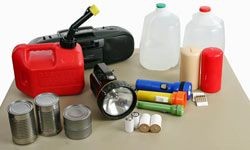
I have a flashlight. 10 of them. Gathered over years of minor inconveniences. I had zero batteries. I don’t have canned goods. If the electricity goes out for a few days, I have no support.
There are no power outages near my home. I am very lucky. The chainsaw is unused and stored in the garage. But luck is not a strategy.
Experts agree. You may have to fend for yourself. Only you. And everyone else in your family. Power grid disturbances are possible. Gas stations stop pumping. The water treatment plants are closed. Telephone lines snap. You’re on your own.
That’s why you need a storm survival kit. Not tomorrow. Not if the first cloud is suspicious. now.
The rule of thumb is strict. 72 hours. Three days. You need enough food, water and supplies to last that long. Without help. There is no help from the outside.
Store in a cool and dry place. Waterproof containers are not negotiable. Mold doesn’t care if you’re in a hurry. Moisture can damage the battery. When it rains, paper products spoil. Keep it closed. Keep it ready.
If you have a kit already. Check it. Dates expire. Preferences change. The children have grown up. Pets also age. Update it
Here are 10 must-haves you should include. Let’s start with basic human needs.
10: Water
You can live three weeks without food. You can’t survive three days without water. This is more than just a statistic. This is biology.
The standard is 1 gallon per person per day. That covers drinking. Covers basic hygiene. It covers cooking.
If you have a pet. Add more. If you have a baby. The formula requires water. Add more.
Store it in a plastic bottle. Or a special water tank. Rotate every six months. Alternatively, for long-term storage, treat with cleaning tablets. If the power goes out, the tap water in the tank becomes dangerous. The pump stops. The pressure drops. Increased risk of contamination.
Don’t skimp on volume. Heat can make dehydration worse. Stress increases it further. Hurricanes bring both.
Have water ready. before the wind blows. Before the shelves are empty.
Water storage: the most difficult variable
Water is key to any survival plan. This is the most important resource and, frankly, the most difficult resource to manage in the event of a power outage. Storms can cause faucets to run dry, well pumps to shut down, and sewage overflows to contaminate water systems. No water means no drinking, bathing or flushing. This is a shortcut to dehydration and hygiene-related ailments.
The Federal Emergency Management Agency (FEMA) has set a standard of 1 gallon (3.8 liters) per person per day. This includes drinking and hygiene. Increase this number if you live in a hot climate. Nursing mothers and small children often need even more. If possible, store bottled water in the original container. Keep it closed. Store in a cool, dark place to prevent plastic degradation and bacteria growth.
When you fill your own container with water from the tap, accuracy is key. Only use containers rated for water storage. You can buy these at camping supply stores. Wash thoroughly with dishwashing liquid and rinse. If you want to reuse the 2 liter soda bottle, it must be disinfected. Mix 1 teaspoon of unscented chlorine bleach in quart of water. Swirl it around and rinse thoroughly, then close the cap tightly. Never compromise the integrity of containers.
Stock your pantry: Nonperishable Essentials
Storing food isn’t just about calories. It’s about morale and practicality. FEMA recommends three days of non-perishable food. Think canned vegetables, soups, packaged cereals, peanut butter and crackers. However, there is a catch here. Don’t pack anything you won’t eat. Make sure the food suits your family’s tastes, especially your children’s. Avoid salty snacks. It increases thirst and depletes precious water supply.
Don’t forget the manual can opener. This seems obvious until you’re staring at a can of beans and can’t open them.
Store everything in a container with a lid. Keep cooking utensils clean. If floodwater comes into contact with food, throw it away. If the package smells strange, is swollen, or looks abnormal, throw it away immediately. When debris accumulates indoors, it can attract pests and spread disease.
Emergency cooking is more of a survival skill than a science. Outside use a charcoal grill or camp gas stove. Ventilation is important. Some canned foods can be eaten cold straight from the can. If you want to heat food in a can, remove the label first. Clean the exterior with a bleach solution (1 part bleach to 10 parts water). Open the can before heating to prevent pressure build-up and explosion. Never use heat-sealed cans.
Communication: Battery-powered radio
Although it may seem old-fashioned, there is no compromise when it comes to battery-powered or hand-cranked radio. When the power grid goes down, your smartphone, tablet and laptop batteries turn into useless bricks. A portable radio, especially one that can receive NOAA weather broadcasts, can help you stay up to date. The National Oceanic and Atmospheric Administration (NOAA) uses this network to send storm warnings, evacuation orders, and important updates.
If your mobile network is congested or disconnected, this is a lifeline for official information. Don’t rely solely on social media. Check the radio.
Pet Preparedness
If you’re like most people, your pet’s standard of living is higher than yours. But when the crisis comes, this luxury disappears. Make sure all the animals in your home have enough pet food and extra water. If you use medicines, stockpile a surplus in case of possible supply chain disruptions. Don’t leave things behind or run out.
First Aid Kit Essentials
Every storm kit should have a strong first aid component. Start with the basics, like bandages, antibiotic cream, and burn cream. But go one step further. If you or a member of your family take prescription drugs, have a backup supply. Also include all necessary medical supplies, such as catheters and syringes. There are also over-the-counter medicines available, such as aspirin for pain relief and diarrhea medicines for gastrointestinal problems. In the event of a disaster, pharmacies may be impossible for several weeks.
Lighting solutions
When the lights go out, the darkness becomes your enemy. Flashlights and camping lanterns are mandatory. Look for multifunctional devices that combine electricity, light and radio. Some also have weather radios, detachable flashlights, and charging ports for small electronic devices like cell phones. These usually use 12 volt rechargeable batteries.
You can also use candles or dry matches, but be very careful. Delays in emergency services greatly increase the risk of fire.
Can you hear me?
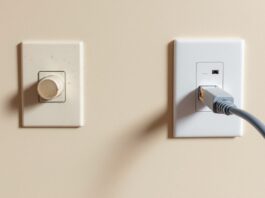
Cell phones are convenient, but they are vulnerable during disasters. There is no power, which means that charging is not possible. A broken cell phone is just expensive glass and metal. Landline phones, especially older Corded phones that plug directly into a wall outlet, often work during a power outage because they are powered by the phone line itself. Of course, this won’t work if the physical line fails. However, owning a traditional phone is a cheap insurance strategy.
Sleeping Bags and Blankets
You don’t need to know the rest of the list yet. Remember that hypothermia and heat stroke are silent killers. Proper bedding is not a luxury. It is a temperature control requirement.
4: Sanitary products
You can survive a week without new sheets. I can’t go a week without toilet paper. It sounds obvious, but it’s the first thing people buy in a panic. Bring toothpaste, soap and diapers. Bring contact lens cleaning solution and denture toothpaste if someone in your family needs it. These are small items. It’s easy to forget until you absolutely need it. The package also includes feminine hygiene products. Don’t leave it in the bathroom cabinet. Put everything in a waterproof container. Moisture destroys consumables faster than time.
3: Cutlery and hygiene
It’s a bad time to eat cold beans with your fingers. A hundred times worse is what you are preparing for. Put the clean dishes away. The cutlery set saves space and weight. You also need a way to keep things clean. Keep a bottle of chlorine bleach and a dropper in your emergency kit. No need for expensive cleaning products. Dilute 1 part bleach with 9 parts water. This creates a reliable disinfectant. Clean the surface. It is also possible to sterilize the dishes. Protects against diseases when moisture may be compromised.
Basics of a baby
If you have a baby or toddler, their needs are non-negotiable. Diapers are big. takes up space. You have to be responsible for them. Store powdered milk and baby food. Toys are more important than you think. A calm baby is easy to handle. It is difficult for a baby to cry during a power outage. Keep them busy. Keep feeding them. Keep it clean. These three things are the difference between a manageable storm and a traumatic storm.
2: Games and other activities
No power means no TV. No video games. The iPod does not come with a juice box. There was a heavy silence in the house. The children felt the silence. they are bored. Bored children talk loudly. Children who talk loudly are stressed. If you’re already worried about the storm, dealing with stressed-out kids can be even more difficult.
No emergency kit is complete without some action. Pack board games. Includes puzzles. More coloring books and pencils. Paper and pencils are inexpensive. It is very light. they bring you peace. They buy you sense. It’s hard enough to weather a storm without background noise. Using these items will reduce the difficulty of the mission. They give you a break. They give them a break.
1: Cash
There is a power outage. My card reader stopped working. Air pumps do not suck chips. you are hungry, i am thirsty. We need supplies. Wiping is not possible.
Keep cash handy. Smaller bills are better. During a crisis, larger bills are more difficult to tear. The ATM is offline. Banks are closed. If a storm destroys the power grid, digital currencies are just numbers on a disappearing screen. The only valid currency is banknotes. Store in a safe and dry place. It’s not in my wallet. in your tool bag.
Why cash is your only option after a storm
bank lock. The ATM went dark. When the electricity goes out, the digital economy also disappears.
This is why cash or traveller’s checks is required.
Go to the ATM and withdraw money before the storm hits. Withdraw enough money for your needs. There aren’t that many of them. That will do. Think groceries. fuel. freeze.
The reality is that some businesses will reopen before power is restored. You may see generator lights flashing from your local corner store. they have food. There are batteries. they have what you need.
However, the card reader was broken. There is no electricity. No need to wipe. There are no faucets. No tipping.
If you want to buy more food or fuel, cash is the only acceptable currency. Physical bill. Genuine metal coin.
It’s not glamour. It’s not modern. But it can still work even if the power grid goes out.
Store it in a waterproof bag. Keep it available. Not buried in a safe. It’s not in a locked box. in your pocket. Or put it in an emergency bag.
Because when the storm is over, the first thing people want is water. Another thing they want is something they can trade for.
Reserve water for long-term use in emergencies
How much water do you really need?
A good rule of thumb is 1 gallon per person per day.
That is, for drinking alcohol. and basic hygiene.
Store in a clean, airtight container. A plastic jug will do. The glass is heavy, but stable. Whatever you use, make sure it’s airtight.
Store in a cool, dark place. Sunlight breaks down plastic. Heat promotes the growth of bacteria.
Replace it every six months. Check the expiration date on the container.
Consistency is important when storing for long-term emergency use. A gallon of water a day is not that much. But there is a lot to carry.
Save it before the storm hits. Don’t wait for the sky to turn green.
Keeping food safe during a storm
What is the safest way to ensure that food storage is not contaminated?
Waterproof. Very airtight.
Use a sturdy plastic container with a tight-fitting lid. Or a vacuum sealed bag. The purpose is to prevent moisture. In humid blackout conditions, mold is your enemy.
Choose something that won’t get damaged easily. canned food. dried pasta. Rice. beans.
These do not require refrigeration. It won’t be bad right away. you can trust them.
Avoid anything that requires refrigeration. Unless you have a generator. Or a cooler with ice.
But the ice melts. The generator has run out of fuel. This does not apply to canned beans.
Store food in the pantry. Or a wardrobe. dry place. That’s kind of cool.
Check supplies regularly. Rotate inventory. Use the oldest items first.
This has nothing to do with saving. It’s all about preparation.
When the power goes out, the refrigerator becomes a slow cooling chamber. Stays cold for hours. Maybe someday.
After that, the storage unit just rots away.
Therefore, trust those with a stable shelf life. Something that doesn’t care about the weather. Something is waiting for you.
Conclusion
Tempest doesn’t care about your schedule. they do