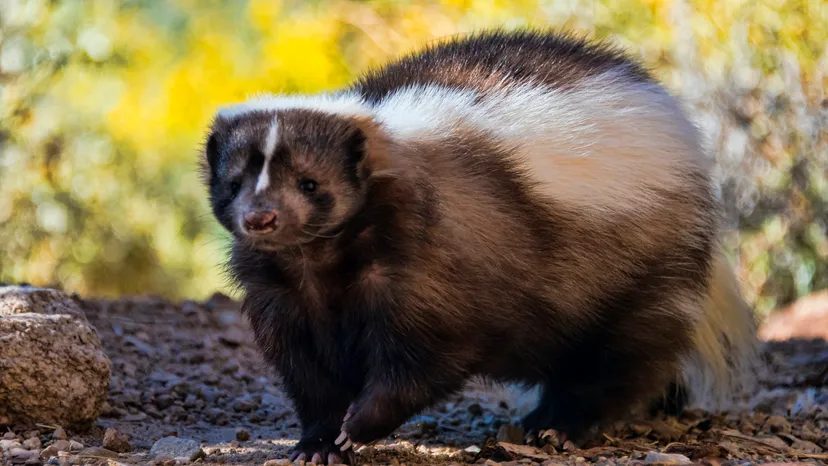
Skunks are opportunistic eaters. They dig up grubs. They snatch insects. They raid fruit and vegetable patches. But for most homeowners, the real issue isn’t the damage—it’s the spray. That scent is legendary for a reason. It lingers. It invades. And it is incredibly difficult to erase from your clothes, your car, or your living room.
If you are dealing with uninvited striped guests, you need a strategy. A natural skunk repellent can help turn them away without resorting to harsh chemicals or harmful traps. Below, we break down exactly how to make these solutions, what materials you need, and why prevention matters more than reaction.
Why Skunks Are a Homeowner’s Nightmare
You might think a skunk is just a cute nuisance. It’s not. It’s a liability.
The primary reason people want them gone is the spray. This defensive liquid contains thiols, which smell like rotten eggs mixed with sulfur. It doesn’t just sit on the surface. It permeates fabrics. It soaks into wood. If it gets inside your home, the odor can linger for weeks. You can’t just wash it out once.
But the smell is only half the problem.
Skunks are destructive diggers. They tear up your lawn looking for grubs. They overturn garbage cans, scattering trash across your yard. They rummage through pet food bowls, leaving messes that attract flies and other pests.
There’s also a safety angle. Skunks carry diseases. Rabies is the most feared, but they can also transmit distemper and leptospirosis. If you have dogs or cats, a confrontation can lead to bites, scratches, or worse.
Then there’s the structural damage. Skunks dig burrows. They like soft soil under decks, sheds, and porches. Over time, these tunnels undermine foundations. Fixing a compromised deck support costs far more than preventing a skunk from moving in.
How to Repel Skunks From Your Property (Prevention First)
Repellents work best when combined with habitat modification. If you make your property inhospitable, skunks will look elsewhere. Here is how to do that:
- Secure your trash. Skunks are strong. They can tip over lightweight bins. Use heavy-duty lids or bungee cords to keep cans closed.
- Manage your pet food. Never leave food bowls outside. Skunks have excellent night vision and will raid them any time.
- Remove bird feeder spillage. Seeds on the ground attract skunks. Clean up regularly.
- Eliminate shelter. Piles of wood, compost heaps, and junk yards make perfect dens. Remove them. If you can’t move a pile, cover it with a heavy, secure tarp. Skunks need dark, enclosed spaces to feel safe.
How to Make Natural Skunk Repellent
When you need a natural skunk repellent, you likely want something you can make at home. These solutions use strong odors that skunks find overwhelming.
For Garden Protection
If skunks are digging up your vegetable patch, they are hunting for grubs.
Hot Pepper Spray:
Mix water and hot pepper (cayenne or chili flakes) in a spray bottle. Spray the mixture directly on your plants. Skunks hate the capsaicin. It irritates their sense of smell and taste.
Physical Barriers:
If you don’t want to spray chemicals on your food, try planting cucumbers, squash, or other plants with prickly leaves among your vegetables. The texture deters digging.
For Den Deterrence
If you suspect a skunk family is living under your porch or shed, you need a stronger deterrent.
Onion and Pepper Broth:
This is a potent, homemade repellent.
1. Chop one yellow onion.
2. Chop one jalapeño pepper.
3. Add one tablespoon of cayenne pepper.
4. Boil these ingredients in two quarts of water for 20 minutes.
5. Strain the liquid into a spray bottle.
6. Apply generously around the entrance of the skunk’s den.
The combination of sulfur (onion) and heat (pepper) is nauseating to skunks. It encourages them to leave.
For Pathways and Porches
If skunks are just walking through your yard, you don’t need to spray everything.
Ammonia Bowls:
Place a bowl filled with ammonia on the ground in high-traffic areas. Skunks dislike the smell of ammonia. It mimics the scent of urine from larger predators.
Warning: Ammonia is harsh. Keep it away from grass and plants. It will burn vegetation and kill roots. Use this only on bare soil or paved surfaces.
Best Commercial Solutions to Repel Skunks
Sometimes, DIY isn’t enough. You might want a ready-made solution that works immediately. Here are three proven commercial options.
PredatorPee Coyote Urine Trigger Spray Bottle
Skunks are prey animals. They fear predators. This spray uses coyote urine to trigger that instinct.
- How it works: You apply scent tags or spray along your property perimeter.
- Duration: The scent lasts about a month per application.
- Best for: Defining boundaries and keeping skunks from entering your yard in the first place.
Essentially KateS Peppermint Essential Oil
Peppermint is a strong scent that many animals dislike. This product dilutes peppermint oil for safe application.
- How it works: Spray around your home’s exterior.
- Bonus: It doubles as a household cleaner and air freshener.
- Best for: Homeowners who want a multi-purpose natural cleaner that also deters pests.
RibRave Ultrasonic Animal Repeller
Not all repellents smell. Some make noise.
- How it works: This solar-powered device emits ultrasonic sound waves and flashes LED lights.
- Range: It covers a 26-foot radius.
- Durability: It is waterproof and weather-resistant.
- Best for: Larger yards. You may need multiple units to cover a big area.
The Verdict: Safe and Effective Repellents Matter
You have options. You can boil onions and peppers. You can hang ammonia bowls. You can buy coyote urine or ultrasonic devices. The key is consistency.
Skunks are smart. They learn. If a repellent stops working, move it. Change the strategy.
Always prioritize humane methods. Killing skunks is often illegal and unnecessary. It also creates a new problem: the smell of a dead skunk is worse than a live one.
The goal is to make your property unappealing. Keep trash covered. Remove shelter. Use repellents strategically. Do this, and you protect your home, your garden, and your sanity.
But be ready. Skunks are persistent. If one leaves, another might move in. Stay vigilant.