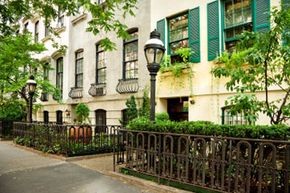
You know the drill. You walk past a brownstone in Brooklyn or a classic row house in San Francisco, and there it is: a door just below the sidewalk grade, leading to a living space that feels suspiciously like a basement but legally claims to be a garden level. It sits in that narrow band between the earth and the street. The ceiling meets the pavement outside.
This isn’t a new architectural quirk. It’s a post-WWII invention born from necessity. Young workers needed city access. They took over remodeled basements. The “Kelly Girls” and other working-class women defined this era. Then the ‘70s hit. Chelsea and the Meatpacking District turned into artsy hubs. Street-level living became chic. You could watch the city pass by your window while you painted in your studio.
Now? The trend has shifted again.
We are seeing a revival of these spaces, but this time it’s not about being trendy for the sake of it. It’s about revitalization. Neighborhoods that were once overlooked are blooming with new restaurants and nightlife. The “dungeon” stigma is fading. In its place, homeowners and renters are looking for ingenious ways to restore these classic spaces for modern life.
But before you sign a lease or make an offer, you need to look closer. Garden-level properties have specific flaws that can turn a dream apartment into a damp, dark nightmare if you aren’t careful. Here is what you need to know about the structural realities and the lifestyle trade-offs.
Inspecting the Structural Integrity
Let’s address the elephant in the room: the word “dungeon” exists for a reason. Poor drainage, dim lighting, and aging infrastructure can make these units feel oppressive. If you are used to airy, second-story condos, a garden-level unit can feel claustrophobic. But it doesn’t have to be.
You have to dig into the history of the building. Quick-fix solutions are common in real estate. A landlord might slap fresh plaster over a crack to hide water intrusion. They might patch drywall where the foundation settled. Do not be fooled by the finish. Look at the street level. Check the gutters. Examine the pavement slope. Is water pooling near the foundation? If the street drainage is bad, your apartment will flood. Period.
Look for signs of past repairs. Cracks in the foundation are obvious. New paint over old water stains is not. If you see recent drywall patches near the floorboards, ask questions. Ask for documentation. If the seller or landlord can’t provide it, walk away.
Navigating Interior Conditions and Design
Once you’ve cleared the structural hurdles, look at the interior. Architectural style is subjective. Some people love the raw, industrial look of exposed pipes and concrete floors. Others want the warmth of a fully renovated space that mimics the units above.
If you are buying, you have more control. You can fix the style. But renovation is expensive and inconvenient. Consider the labor. Do you have the skills to strip a bathroom and re-plumb it? Do you have the budget for the unexpected costs that always arise in older buildings? If not, stick to units that are already finished.
Then there are the unchangeable factors. Windows. They are your lifeline to the outside world and your only source of natural light. A garden-level unit with tiny, high windows will always feel like a cellar. You want large windows or, ideally, a private outdoor space—a true garden level should have access to ground-level greenery.
Ceiling height is rarely negotiable. In many older brownstones, the ceiling is lower than in the floors above. This affects the flow of the space. It can make a room feel smaller. However, with good lighting and clever storage, you can mitigate this. Urban living guides are full of tips for maximizing small spaces. Use vertical storage. Keep furniture low-profile. Light colors reflect the limited light you do get.
The Lifestyle Trade-Off
What is it like to live here? It’s different. You are closer to the street noise. You are closer to the sidewalk activity. For some, that’s the point. You are in the heart of the action. Your door opens directly into the neighborhood’s life.
For others, it’s a nuisance. The sound of cars, pedestrians, and nightlife can be relentless. You lose the privacy of higher floors. But you gain accessibility. No climbing stairs to get to your door. Easy access to groceries. A direct connection to the community.
The quality of life depends entirely on the neighborhood. If the area is vibrant and safe, the garden-level unit offers a unique urban experience. If the area is declining or poorly maintained, the negatives are amplified.
You have to decide what you value more. Light and silence. Or convenience and connection. There is no right answer. Only the right fit for your specific situation.
Assessing Your Tolerance for Street-Level Living
Garden-level apartments are polarizing. The biggest hurdle isn’t structural; it’s psychological. You need to ask yourself if you actually want this lifestyle. Is the proximity to nightlife and city energy worth the trade-off? Can you mentally handle the constant stream of pedestrians outside your windows?
It is not enough to simply tolerate the noise. You have to be drawn to the idea. These spaces are often smaller and naturally darker than upper floors. If you do not have a genuine appreciation for the chaos and vitality of the street, you will likely feel trapped. The urban bustle happens inches from your living room. Without that attraction, the space will feel oppressive, regardless of how attractive the concept seemed in theory.
Mitigating the Drawbacks of Basement-Adjacent Units
Once you commit to the lifestyle, you have to manage the environment. Start with connectivity. Cell phone reception in these units is notoriously spotty. Install a landline or a strong VoIP system early. It is a small fix that prevents major frustration.
On the flip side, the earth surrounding these units acts as natural insulation. You will likely stay warmer in winter and cooler in summer compared to residents above you. This can lower energy bills and increase comfort.
Lighting is the next battleground. You want to maximize natural and artificial brightness without compromising security. Use heavy curtains or smart blinds to control visibility from the street. Introduce bright colors and reflective surfaces to bounce light around the room. This makes the space feel larger and less claustrophobic.
Building a Relationship with Your Neighbors
You need to know who lives around you. In a garden-level unit, your neighbors are not just the people above you. They are the pedestrians, the business owners, and the residents of adjacent units. They will become a significant part of your daily routine. A friendly nod or a brief chat can go a long way in establishing boundaries and comfort.
Look to urban design blogs for inspiration. Many creators specialize in small-space optimization. Focus on bringing the outdoors in. If you have a patio, fill it with plants. If you have a window, use it as a frame for greenery. This blurs the line between your private oasis and the public street, creating a buffer zone.
Designing for Balance and Sanity
Interior design in these units is about creating an escape. The goal is to make the apartment a place you want to retreat to, not just sleep in. It should be a mix of comforting and stimulating. The core challenge is balancing public exposure with private retreat.
You have chosen a specific type of urban adventure. But adventures have a cost. Burnout is real. If you are constantly stimulated by the street, you need a designated quiet zone. This might be a corner with a comfortable chair, a specific room for reading, or just a mental boundary you enforce. Keep your personal comfort at the center of every decision.
If the energy of the city invigorates you, this living arrangement can be a great fit. Just ensure you carve out space for solitude. The line between connected and overwhelmed is thin. Walk it carefully.