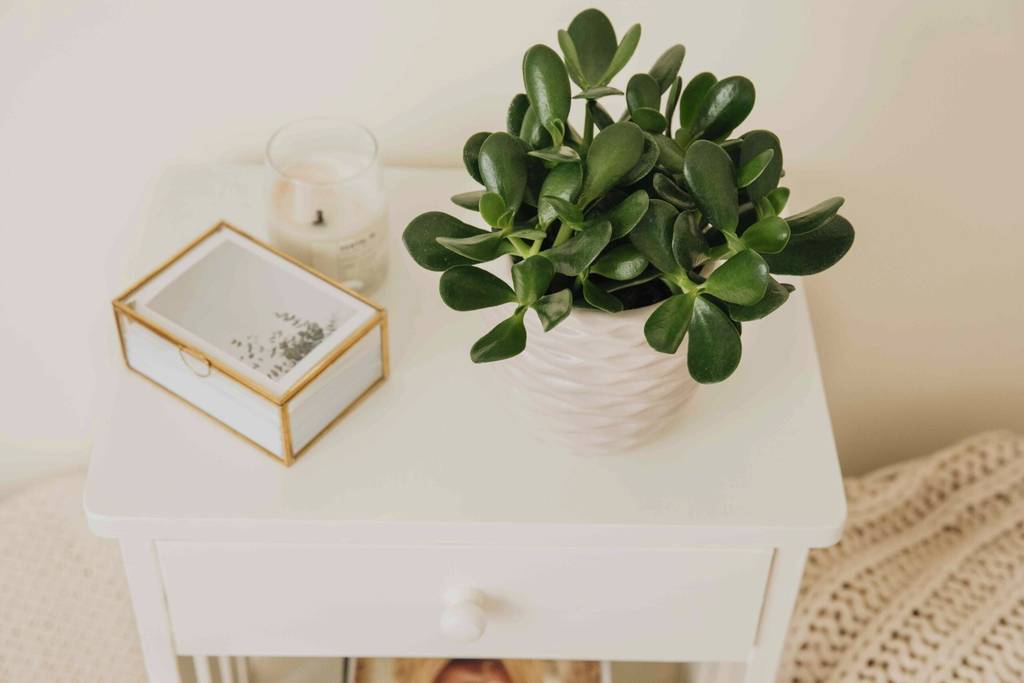
Jade plants (Crassula ovata ) are stubborn survivors. They thrive on neglect. That is their superpower. Yet, despite being nearly indestructible, they have specific needs. Get those wrong, and you get yellowing leaves. You get rot. You get a dead succulent.
Here is how to keep yours alive and looking good, based on the facts of soil, light, and water.
Where to Buy and Plant a Jade Plant
Start with a healthy plant. If you buy one, check the bottom of the pot for roots. If roots are poking out, it is rootbound. It needs a new home now.
For an average plant, a 4-inch or 6-inch pot works. Make sure it has drainage holes. No exceptions.
Bigger plants are different. A 3-to-6-foot tall jade plant is heavy. It is top-heavy. It can tip. Choose a pot with a heavy bottom to prevent it from falling over.
The Potting Mix
Standard potting soil holds too much water. Jade plants hate wet feet. You need loose, well-draining mix.
Use a succulent-specific blend. Ideally, it contains sand, potting soil, perlite, or pumice. If you do not have a specialty mix, take regular potting soil and add perlite or pumice by hand. Break it up. Make it airy.
Clay or terracotta pots are best. The material breathes. It pulls moisture out of the soil as the air dries. This prevents soggy roots. The pH should be neutral to slightly acidic (5.5 to 7). Most succulent mixes hit this mark automatically.
Light Requirements for Jade Plants
Light is the fuel. Without it, the plant starves.
Give your jade at least six hours of bright, indirect sunlight daily. A south-facing or west-facing window is ideal. But not right in the glass. Place it a few feet back.
Direct, scorching sun can damage it. If leaves turn red or shrivel, the light is too harsh. Move it back.
Low light is equally bad. In dim corners, jade plants become “leggy.” They stretch. They grow sparse. The stems look thin and weak. They are reaching for something they cannot find.
How Often to Water a Jade Plant
Overwatering kills more jade plants than any pest or disease. In their native African habitat, these plants survive droughts. They store water in their thick leaves. They do not need constant sips.
Spring and Summer
This is the active growth phase. Water about once a week if the light is good. Water deeply. Let the soil dry out between waterings. But do not let it turn to dust. Wait until the soil is mostly dry, then water.
Winter
The plant goes dormant. Growth slows. Stop watering as much. Once a month is usually enough. If you water weekly in winter, you are drowning it.
Check the soil before every watering. Stick your finger in. If it is damp, wait.
Temperature and Humidity
Jade plants prefer average household temperatures. 65°F to 75°F during the day is perfect.
At night, and in winter, they can handle cooler air. Down to 55°F is acceptable. Do not go below 50°F for long. Frost will kill it instantly.
Consistency matters. Do not place the plant in the path of an air conditioner vent. Do not put it near drafty windows that swing open every hour. Rapid temperature shifts stress the plant.
Fertilizing Jade Plants
Jade plants are not heavy feeders. But a little help goes a long way during the growing season.
Use a balanced 20-20- controlled-release fertilizer. Or, use a liquid 20-20-0 fertilizer, but dilute it. Use it at one-quarter strength for mature plants.
For young plants, use a fertilizer with less nitrogen. You do not want to force growth that the plant cannot support structurally. Feed at the beginning of spring, then once a week if using liquid. Then stop. Let it rest in winter.
Propagating Jade Plants from Cuttings
Want more jade plants? It is easy. You can start a new one from a leaf or a stem. Do this in the summer. The humidity and heat aid root formation.
From Stem Cuttings
- Cut: Take a healthy stem. It should be 2 to 3 inches long. Use clean shears. Only take from mature plants.
- Dry: Let the cut end dry. Place it in a warm, dry spot for several days. The end needs to callus over. This prevents rot when planted.
- Rooting Hormone (Optional but helpful): Dip the calloused end in rooting hormone powder. This speeds things up.
- Plant: Push the cutting into a mix of half succulent soil and half vermiculite or perlite. Keep it barely moist.
- Wait: Roots will form in a few weeks. Tug gently. If you feel resistance, it is rooted. Now care for it like an adult plant.
From Leaf Cuttings
This takes longer. It requires patience.
- Twist: Gently twist a healthy leaf off the stem. The entire leaf must come off. If the base breaks off, it won’t root.
- Dry: Let the leaf end dry and callus for several days.
- Rooting Hormone: Dip the end in powder.
- Set: Lay the leaves flat on top of soil (half soil, half vermiculite/perlite). Ensure the cut end touches the soil.
- Mist: Mist the soil lightly. Keep it barely damp. Not wet.
- Watch: Place in bright light. Roots will form at the base. A tiny baby plant will emerge. Wait until it looks like a real plant before potting it individually.
How to Repot a Jade Plant
Repot every 2 to 3 years for small plants. Every 4 to 5 years for large ones. Repot if you see roots poking out of the soil or drainage holes.
Here is the process:
- Loosen: Run a flat tool (a butter knife works) around the inside edge of the pot. Break the suction.
- Remove: Grip the base. Lift it out. Support the soil ball.
- Clean: Shake off old soil. Trim any dead or rotten roots. A wooden dowel can help loosen tight root balls.
- New Home: Put a rock or shard over the drainage hole in the new pot. Add an inch of fresh soil.
- Plant: Set the jade in the center. Add soil until it is an inch from the rim. Cover all roots.
- Water: Water lightly. Return to its light spot. Do not fertilize for a few weeks while it adjusts.
Pests and Common Problems
Jade plants are generally low-maintenance. But they do get pests.
Mealybugs
White, cottony patches appear where leaves meet the stem.
* Fix: Do not spray insecticides. Jade leaves are sensitive to oils. Take a cotton ball soaked in rubbing alcohol. Wipe the bugs away. It is messy but effective.
Spider Mites and Scale
Look for webbing or brown bumps.
* Fix: Use the same rubbing alcohol method. Or wash the plant with water.
Why are my jade plant leaves shriveled?
The leaves store water. Wrinkles mean it is thirsty.
* Fix: Water thoroughly. Let the water run out the bottom. Wait for the soil to dry again before watering next time. Do not water daily hoping it will help. That causes rot.
Why are the leaves dropping?
Frequent leaf drop can mean low light. Move it to a brighter spot with indirect light.
If old leaves are dropping and the stem is leggy, the plant might be too warm. Move it to a cooler area, but not cold.
Why is my jade plant yellow?
One or two yellow leaves? Ignore it.
All-over yellowing? That is usually overwatering. The roots are suffocating. Check for rot. Cut back on water.
Why are the leaf edges red?
Too much direct sun. The plant is stressed.
* Fix: Move it to shadier light. Or put a sheer curtain between the window and the plant. It will turn green again if the stress stops.
Why is the growth uneven?
If one side is bigger or fuller, the plant is reaching for light.
* Fix: Rotate the pot a quarter-turn every week. Give the shaded side a chance. If it is too dark, use a grow light to supplement.
Final Thoughts
Saving a jade plant starts with diagnosis. Is it dry? Is it wet? Is it in the dark? Fix the root cause. Then step back. Jade plants reward those who observe but don’t obsess.