


Washing clothes has always been a grind. Think about it. Early humans were banging garments on rocks in streambeds to get them clean. Hard labor. Plenty of water, sure. But today? We have machines. They save time. They save backs. But environmentalists are watching. Consumers are cautious. Water usage and energy bills are the new pain points.
You can’t separate water from energy. The two are tangled together. A washer soaks clothes. It tumbles them. It agitates them. Then it extracts as much water as possible. Why? To help the dryer work efficiently. The goal is simple. Use less water to wash. Get less water out at the end. Less wet clothes means less energy to dry them.
The Agitator Problem
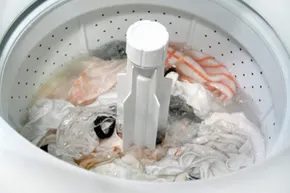
Most people know the top-loader. It’s been the standard for decades. Inside? An agitator. That center post looks like a giant paddle. It churns. It whips. It stirs.
This method needs lots of water. Lots of it. The clothes need room to move. The water tosses them around to kick off dirt. Here’s the catch. Around 90 percent of the energy in a top-load washer goes into heating that water. Expensive. Not just on the water bill. On the electric bill.
Enter the Front-Loader
Newer machines dropped the agitator. No more center post. That creates more drum space. You can fit more clothes in a load. And you need less water.
Front-load washers use gravity. They rotate the drum. Clothes go up. They drop back into a shallow pool of water. Again. And again. Gravity does the dirty work. They clean with half the water of a conventional top-loader.
The Hybrid Option
There is a middle ground. High-efficiency top-loaders. They look like standard top-loaders. Open the lid though. No agitator inside. Water usage here matches front-loaders. Close to 20 gallons per load.
Water Usage By The Numbers
Let’s look at the data.
Conventional top-loaders with agitators use about 40 gallons per load. Front-loaders? Around 20 gallons.
That 40 gallons needs twice the energy to heat. Heat is a key cost. Front-loaders save money here by necessity. They use gravity for agitation instead of churning.
The Downsides of Going Front
No machine is perfect. Front-loaders have cons. Be aware before you buy.
- Cost. A front-loader can cost up to three times more than a conventional top-loader. Prices vary by manufacturer. Check your budget.
- Noise. They aren’t whisper quiet. Install one on anything but a concrete base and you will hear it.
- Time. Wash cycles are longer. Often twice as long as a top-loader. Expect over an hour per load.
The Real Cost of Laundry
Do the math. The average American family washes 400 loads a year.
A top-loader uses 16,000 gallons of water annually. That’s a lot of tap water. Top-loaders also leave up to two gallons of water in wet clothes after the spin. That extra water costs you. You pay for the tap water. You pay to heat it. You pay to drain it. You pay to vent the remainder through your dryer.
Front-loaders leave less water behind. Less water to remove. Less energy to burn.
Gentle on Clothes
Independent tests by groups like Consumer Reports show something else. Front-load washers are gentler. They don’t beat up fabric like agitator-style top-loaders do.
Make an Informed Choice
If you want to cut water and energy, look at Energy Star-rated washers. The rating comes from the U.S. Department of Energy and the EPA. They help you compare price and functionality.
Check the specs. Look at the gallon-per-load rating. Check the cycle times. Calculate the long-term savings against the upfront cost.
It’s not just about buying a machine. It’s about how you use it. Less water. Less heat. Less drying time.
The landscape is shifting. Top-loaders are getting smarter. High-efficiency models are improving. But the physics of gravity still wins in the front-loader department.
If you’re doing your own laundry, the choice matters. Every load counts. Every gallon adds up.
What’s your current washer doing to your utility bill?


