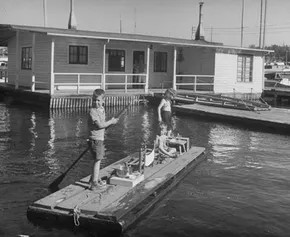
Most houseboats you see on the water are built from either fiberglass or wood. You might spot a steel or aluminum hull, but those are rare. Metal rusts. It’s a constant battle against corrosion that most owners just don’t have time for.
Fiberglass dominates the market for a reason. It’s light. It’s strong. That’s why it’s used in airplanes and sports cars. For a houseboat, those traits mean less maintenance. You don’t need to sand and seal it every summer. It also makes getting a loan or insurance much easier. Lenders see low risk. They see a material that doesn’t rot.
Wood is the underdog. It’s cheaper to buy. It has a rustic charm that fiberglass can’t fake. If you want that log-cabin-on-water look, you go with wood. But there’s a catch. Insurance companies hate it. Finance companies hesitate. Why? Because wood rots.
When wood sits in water, fungus spores multiply. They eat the structure. A wooden boat on land might last decades. Submerged, it degrades fast. You have to check for rot constantly. If you ignore it, the hull fails. To fight back, you need marine spar varnish. This creates a waterproof film. Epoxy is another option to reinforce the structure. But it’s a lot of work.
Fiberglass is easier to finance and insure because of its low maintenance and durability compared to wood.
Keeping the Hull Dry
It doesn’t matter if your boat is wood or fiberglass. You still have to manage the through-hulls. These are the holes in the hull that let water in and out. Toilets. Showers. Sinks.
If a through-hull leaks, water floods the interior. The damage is immediate and severe. You need to check these seals regularly. A small drip becomes a swampy floor in hours.
Houseboat Rules and Regulations
You think buying a boat is just about buying a boat? Think again. Laws change depending on where you are. State lines matter. International borders add more layers.
But the core maritime rules are universal. You can’t drive under the influence. No drugs. No alcohol. You must register the vessel. That’s non-negotiable.
Lights are another big one. You need them on before sunrise and after sunset. Blindness causes collisions. Don’t be the cause.
Dumping waste into the water is illegal everywhere. Littering is too. You’re not throwing trash out the window. You’re polluting a shared ecosystem.
Some areas are off-limits. Cruising into prohibited zones gets you fined or towed. You also need the right safety gear. Life jackets. Flares. Fire extinguishers. Marinas often have their own bylaws too. Check them before you dock.
Maritime laws apply to houseboats just as they do to speedboats or sailboats, covering everything from sobriety to safety gear.
Why Material Matters for Long-Term Ownership
The choice between fiberglass and wood isn’t just aesthetic. It’s financial. It’s logistical. Fiberglass asks for less of you. Wood asks for more. If you’re handy, wood can be rewarding. If you’re not, it’s a money pit.
Most buyers lean fiberglass. Not because they love the look. But because they love the lack of headaches. Low risk. High resale value. Easy insurance.
Wood has its place. Nostalgia. Cost savings upfront. But the long-term costs add up. Varnish. Epoxy. Rot checks. Insurance premiums. It’s a labor of love, not a labor of convenience.
Where to Start with Maintenance
If you already own a houseboat, start with the through-hulls. Grab a flashlight. Look for moisture. Smell for dampness. If it smells like wet dog, you have a leak. Fix it now.
If you’re buying, compare the loan terms. Ask about insurance quotes for both materials. The numbers will tell you what
The Unusual Rules of Houseboat Ownership
There is one critical legal distinction every potential buyer needs to grasp before signing on the dotted line. The U.S. Coast Guard holds unique authority over vessels that you simply do not have on land. Unlike cars, where police generally need probable cause to conduct a warrantless search, a houseboat is treated differently under federal law.
Why the Coast Guard Can Search Without Cause
This oversight often surprises new owners. The Coast Guard has the right to board and search boats, including houseboats, without probable cause. It is the opposite of what applies to cars. Police cannot search your vehicle if there isn’t probable cause of a crime. That protection does not extend to the water.
The logic is simple. Water is a federal jurisdiction. Vessels are considered movable property in a way that land and cars are not. This allows the Coast Guard to enforce safety and customs regulations efficiently. If you are docked or underway, your expectation of privacy is significantly lower.
What This Means for You
You might think this only affects those in international waters. It does not. It applies to domestic waters too. If an officer boards your boat, they can look around. They do not need a warrant. They do not need to suspect a specific crime. The authority is broad.
This is not about harassment. It is about safety and regulation. The Coast Guard needs to ensure that vessels are seaworthy and that no illegal activities are taking place. For a homeowner, this means your private residence on water is also a public-facing entity in terms of inspection.
How to Prepare for a Boarding
Knowing the rules helps you navigate interactions with law enforcement. You are not required to be rude, but you are not required to consent to a full search. You can ask if they are conducting a safety inspection or a criminal investigation. The distinction matters. A safety check is routine. A criminal investigation might require different protocols.
Carrying your boat registration and safety certificates is essential. If an officer asks for documentation, having it ready speeds up the process. It also shows you are a compliant owner. This can sometimes ease the tension.
Living with Less Privacy
Accepting this reality is part of buying a houseboat. You are trading some privacy for the lifestyle. The trade-off is real. You cannot lock down your vessel in the same way you might a suburban home. The water is open. The view is wide. The authority is federal.
If you are considering a life on the water, understand the legal landscape. It is not just about plumbing and wiring. It is about rights and responsibilities. The Coast Guard’s power is a fact of life. Accept it. Navigate accordingly.