Hornets are not just pests. They are aggressive, large, and armed with painful stings. If you’re trying to figure out how to get rid of hornets, you need more than just brute force. You need strategy. And you need safety gear.
These insects, particularly bald-faced and European hornets, don’t mess around. They build complex nests and defend them fiercely. Ignoring a nest near your porch or shed is a mistake. Understanding their behavior is the only way to maintain a safe outdoor space.
Here is the reality of dealing with these stinging insects. It starts with identification. It ends with removal.
What Exactly Is a Hornet?
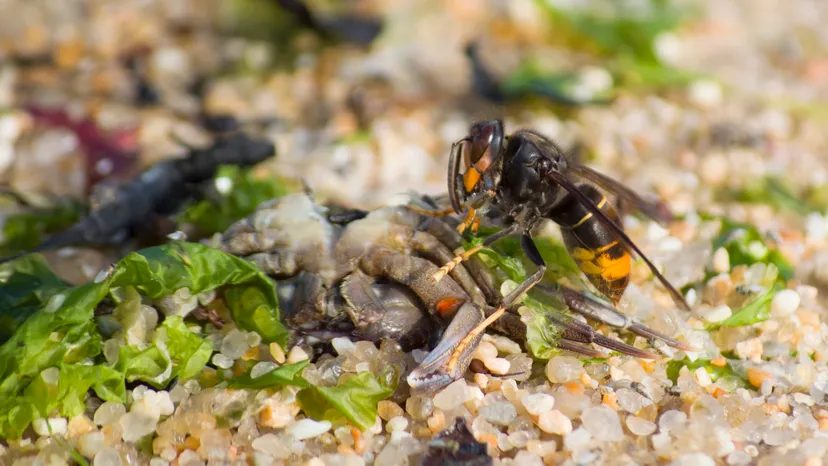
Don’t confuse a hornet with a regular wasp. Hornets are larger. They are more aggressive. And they are members of the wasp family, just a more dangerous branch of it.
You can spot them by their striking yellow and black stripes. But look closer. They have a sleek, wasp-like shape. No fuzz. Unlike bees, which are round and furry and generally calm unless threatened, hornets are persistent defenders.
They are skilled builders too. They create large, intricate nests. In the ecosystem, they help control other pest populations. That’s good for nature. It’s bad for your backyard if they decide to nest next to your living room window.
Hornets vs. Bees: Knowing the Difference
Mixing up a hornet with a honeybee is common. It’s also dangerous. Bees have rounded bodies. They exhibit calm behavior. Hornets boast a sleek silhouette. They show defensive actions constantly.
Why does this matter? Because effective removal strategies depend on knowing who you are dealing with. Hornets require a different approach than bees. Misidentifying the threat leads to failed pest control.
Step One: Locate the Nest
You cannot remove what you cannot find. Hornets are social. If you see one, look for more. A cluster means a nest is nearby.
Hornet nests have a distinct look. They are shaped like upside-down teardrops. There is a small round hole at the bottom for entry and exit. These nests can grow huge. They might hold up to 1,000 hornets.
Find them when they are small. That is the window of opportunity.
Hornets hide their nests in safe spots. Look deep inside trees. Check building crevices. Inspect old tree stumps. Look under the eaves of houses or sheds. Some species, called ground hornets, burrow into the earth. These are hard to spot.
Remember: hornet nests differ from bee or yellow jacket nests. Bee nests often have visible cells. Yellow jackets have a textured look with multiple entrances. Hornet nests are smoother. Teardrop-shaped. Single entry point.
Safe Removal Options
When to Call a Pro
Large nests are not DIY projects. Hard-to-reach spots are not DIY projects.
If the nest is particularly large or in a difficult location, hire professional hornet nest removal services. This is the safest route.
Do not attempt this yourself if you are allergic to wasp or bee stings. Serious allergic reactions can be fatal. If you lack the proper equipment, call a professional. No pride is worth an ambulance ride.
Protective Measures for DIYers
If you are determined to handle it yourself, preparation is everything.
Locate and mark the nest entrance during the day. Do this so you know exactly where to go at night. Take all action at night. Hornets are less active then. They are all inside the nest.
Wear protective clothing. I mean full coverage.
– Boots
– Coveralls
– Heavy gloves
– Veiled headgear
Tape down your collar. Tape the cuffs of your pants and sleeves. Exposed skin is an invitation for a sting.
Using Chemical Insecticides
The most effective way to get rid of hornets is often a can of insecticide designed for stinging insects.
Wait for night. Make sure all insects are in the nest. Put on your protective gear again. Long pants. Long-sleeved shirt. Socks. Gloves. Goggles.
Use a spray that reaches far. You do not want to stand close to the nest. Risking a sting is unnecessary.
Check the wind direction. You do not want the spray blowing back into your face. Use a flashlight to see the entrance. Spray as instructed on the can.
Watch for swarming. Hornets will react. Be ready to leave quickly if they swarm out.
DIY Hornet Traps: Do They Work?
You can buy lure traps. Or you can make your own. Making one is cost-efficient.
Here is how to build a trap that targets hornets specifically.
Materials Needed:
– Plastic bottle (2-liter soda bottle works)
– Sugar
– Vinegar
– Dish soap
– Optional: Meat (fish or liver)
Instructions:
- Prepare the Bottle: Cut the plastic bottle in half. The top half becomes the funnel.
- Create the Bait: Mix sugar and vinegar in the bottom half. Sugar attracts hornets. Vinegar repels bees. This ensures you target hornets, not pollinators. Add a few drops of dish soap. This breaks the surface tension. Hornets cannot escape once they land.
- Set the Trap: Place the top half upside down into the bottom half. It creates a funnel. If using meat, hang it just above the liquid line inside the trap.
- Place the Trap: Hang it with wire or string. Put it where you see hornet activity. Keep it away from high human traffic areas. You do not want to attract them toward your patio.
The trap works by luring hornets in with bait. They fall into the liquid. They drown.
Check the trap regularly. Empty it. Refill it.
Traps will not eliminate a nest. They will not remove the queen. But aggressive trapping reduces numbers. It buys you time.
It buys you safety.
The nest remains. The danger remains. You have reduced the workforce, but the structure is still there. You still need to deal with the source.
That is where the real work begins.
Natural Repellents to Keep Hornets Away
If you want to keep hornets off your property without reaching for a can of synthetic pesticide, look at your garden first. Certain plants act as natural deterrents. Peppermint, basil, and lemongrass are prime examples. They look good in a flower bed and function as natural hornet repellents.
You don’t need to plant them in the ground to use their power. Extract the oils. Mix a few drops of peppermint or lemongrass oil with water in a spray bottle. Mist it around patios, decks, or doorways where hornets tend to hover. The scent confuses them.
Another old-school trick is surprisingly effective. Hang slices of cucumber around your outdoor seating area. Hornets dislike the acidity. They will steer clear of the smell. These methods are safe for children and pets, which matters if you’re worried about toxic runoff or accidental ingestion.
Landscaping Tips to Deter Hornets
Your yard’s layout plays a huge role in hornet behavior. Make it less inviting. Start by trimming bushes and trees regularly. Hornets love building nests in overgrown, dark corners. Open up the canopy. Reduce their shelter.
Plant selection matters too. Avoid flowers with strong, sweet scents. Those are like dinner bells for hornets. Instead, opt for plants they dislike. Marigolds, geraniums, and citronella are good choices. They repel hornets and add color to your landscape.
Maintenance is key. Clean up fallen fruit promptly. It’s a sugar source they crave. Seal garbage cans tightly. An open bin is an all-you-can-eat buffet. Keeping your yard neat reduces attractants. The right plants and good housekeeping make your space less hospitable to pests.
“Hornets dislike the acidity of cucumbers and the strong scent of marigolds and citronella.”
This approach doesn’t just keep pests away. It creates a more pleasant outdoor environment. You aren’t just fighting nature. You’re working with it.