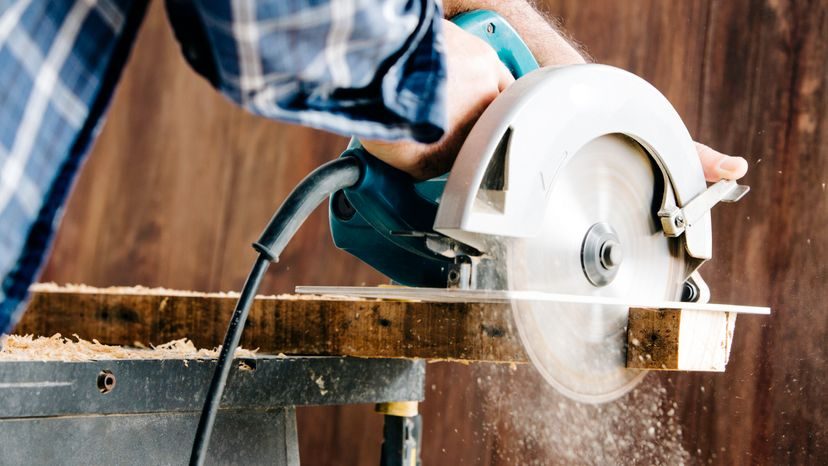
A dull blade doesn’t just make your cuts look messy. It forces your saw’s motor to grind away at the material. That extra friction generates heat. Heat kills motors.
If you want to keep your tools running and your bank account intact, you need to know how to sharpen circular saw blades. The process changes depending on the blade you are holding.
The Steel vs. Carbide Dilemma
You can sharpen steel-toothed circular saw blades at home. A standard file works fine. The metal is soft enough for manual intervention. You have control. You know exactly how much material you are removing.
Carbide-tipped blades are a different story. Carbide is harder than steel. It is extremely durable, which is why it lasts longer in the first place. But that hardness means a hand file will slide right off. You need a diamond wheel sharpener.
And even with the right tool, sharpening carbide is tricky. The teeth cut with both their tips and their sides. If you slip, you round off the sharp edge. Ruining that geometry makes the blade useless.
For carbide blades, take them to a professional. They will restore the blade to like-new condition. The cost is usually between 25 and 50 cents per tooth. Is it worth it? Often, yes. Frequent replacement is far more expensive.
Why You Should Sharpen, Not Replace
Think about the last time your saw struggled. The cut wasn’t clean. You had to push harder. That push puts stress on the motor. It also creates more waste in the form of burnt wood or rough edges.
Sharpening improves cut quality. It reduces the workload on the saw. This extends the life of the blade. It also protects the motor from burning out prematurely.
Keep in mind that not every blade can be sharpened. Some are too cheap. The cost of sharpening might exceed the price of a new blade. Check with a pro first.
But don’t throw the unsharpenable blades away. Keep them in the garage. They are perfect for demolition work. They are great for cutting lumber that might hide nails. You don’t care about a clean cut there. You just need the blade to bite.
Manual Filing: The Best Home Method
If you have steel blades and want to do the work yourself, you have three options. You can use a hand file. You can use a crank sharpener. Or you can buy an automatic sharpener.
Automatic sharpeners are fast. They claim to get the job done with minimal effort. There is a catch. These machines can be rough on the teeth. They might overheat the metal. They might lose the correct angle of the teeth.
Manual filing takes more time. It requires more effort. But it produces a better result. You control the angle. You control the pressure. You aren’t relying on a machine’s preset settings.
Use a hand file. Take your time. The result will be sharper.
Safety First
Sharpening involves sharp objects. It generates metal dust. You need to be careful.
Always wear protective gear. Gloves are essential. Goggles are non-negotiable. Ensure the blade is securely fastened before you start. Follow the tool manufacturer’s guidelines. One slip and you are bleeding.
When to Sharpen
Don’t wait for the blade to become completely useless. Sharpen as soon as you notice a decrease in cutting performance. The quality drops. The efficiency fades.
If your saw is struggling, stop. Take a break. Sharpen the blade. Your future self will thank you.