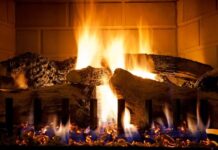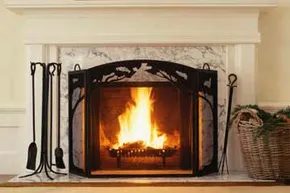
There is a specific kind of magic in a crackling fire. It defines “home” for a lot of people. You are not alone in that feeling. A survey by the National Association of Home Builders found that 77 percent of buyers want a fireplace in the family room. It is a top-tier desire.
The technology is ancient. People used open hearths in medieval castles for actual warmth. Today, the desire is mostly aesthetic. We want the look. We do not want the inefficiency.
Benjamin Franklin figured this out in the 18th century. He noted that the strongest heat goes straight up the chimney and vanishes. He was right. A standard fireplace is one of the worst heating devices you can own. It is so bad that it can actually make your house colder.
Cold air enters the room to replace the warm air escaping up the flue. This is called the stack effect. You lose more heat than you generate.
The Hidden Costs of Traditional Fireplaces
Inefficiency is just the beginning. There are real safety risks. The risk of setting the house on fire is higher with open wood fires. Smoke contains harmful chemicals. In tightly sealed modern homes, this gets worse. You trap those pollutants inside.
Even if you use renewable wood, it is not completely green. It adds to air pollution. Local air quality suffers.
There are better options now. Improvements in design have created more attractive alternatives. You can get more heat. You get less waste. Operation is safer.
If you can give up the smell of burning wood, look at a direct-vent, gas-powered fireplace. These units are efficient. They may even save you money on fuel.
How Fireplaces Work and Safety Basics
Before you install anything, understand the mechanics. This guide covers how a fireplace works. We will look at safe operation practices. We will also explore innovations. You can have a fireplace without a chimney. You can put one on your patio. You can even put one on your coffee table.
We start with the basics. Understanding the airflow is key. Cold air in. Warm air out. That is the old model. The new model captures that heat.
Choosing Between Wood and Gas
Which option fits your home? Wood offers tradition. Gas offers convenience.
Wood requires more work. You need to store wood. You need to clean ash. You deal with soot. Gas is cleaner. It turns on with a switch. It requires a gas line.
For homeowners looking to install a direct-vent gas fireplace, the efficiency gains are significant. These units draw combustion air from outside. They vent exhaust directly outside. This prevents the house from pulling in cold air from leaks or drafts.
Innovations in Fireplace Design
You do not need a chimney anymore. Direct-vent units vent horizontally through an exterior wall. This opens up placement options. You can put them in interior rooms.
Electric fireplaces are another route. They require no venting at all. They produce heat through coils or LEDs. Some models are zero-clearance, meaning they can be installed in tight spaces.
Safety First
Never leave a fire unattended. Keep flammable materials away from the hearth. Use a fire screen. Check your chimney for creosote buildup if you burn wood. Cre