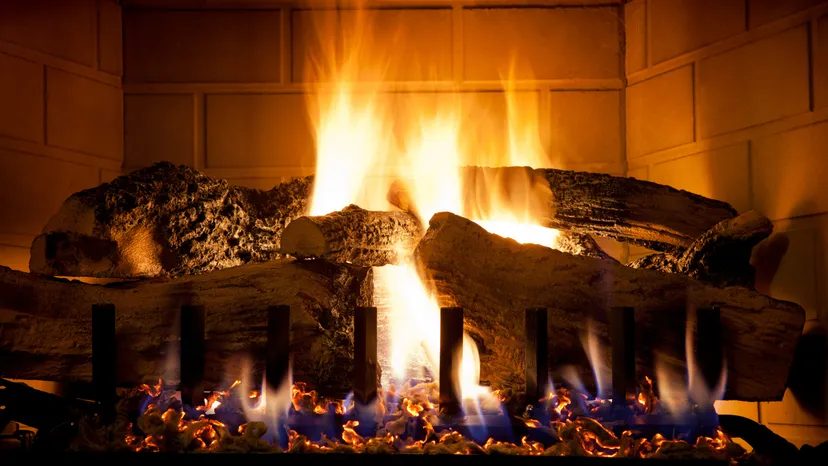
There is something undeniably grounding about a fire. It draws you in. If you have a natural gas unit, you get that cozy vibe without the ash cleanup or the smoke drift into your living room. They are cheap to run, simple to flip on, and they stay clean. But the magic doesn’t just happen. It relies on the logs.
Ceramic gas logs are the standard now. Made to withstand intense heat without crumbling or burning up, they mimic the look of a real wood fire. You can use them with natural gas or liquid propane (LPG). Recently, vented gas logs have taken the lead. They burn cleaner than older models and look far more realistic. They come in various finishes, from oak to birch, and different styles to match your decor.
But a pile of ceramic rocks isn’t a fire. How you arrange them changes everything. Get it wrong, and you get soot. Get it right, and you get a flame dance that looks like a summer campfire. Here is the practical, step-by-step way to set them up for safety, efficiency, and that “natural” look.
The Setup: Building the Foundation
Start with the biggest logs. These are your foundation. They sit at the bottom of the burner tray. Their size and shape depend on your specific fireplace model and the logs you bought. Don’t stress about symmetry. In fact, symmetry is the enemy of realism.
Place them so they create a base for the smaller pieces. But here is the catch: you need space. Leave about two inches (5 centimeters) between each log. This gap is non-negotiable. It allows oxygen to circulate and ensures the gas burner underneath isn’t choked off.
Check the airflow. If a log is sitting directly over a burner port, gas can’t escape properly. Look closely at the bottom of the burner. If you see a blockage, move the log. A blocked port leads to incomplete combustion. Incomplete combustion leads to soot. Soot ruins the logs and your fireplace interior.
Once the base is set, layer the smaller logs on top. You don’t need a grid. You don’t need perfect spacing. You want it to look random. Think about how wood breaks down in a real fire. It’s messy. It’s organic. Stack the pieces loosely. Let them lean against each other. This structure helps the flames lift and curl naturally rather than shooting straight up in a uniform column.
Lighting and Maintenance
With the logs arranged, you are ready to ignite. Turn on the gas supply. Use the matches or the automatic igniter as your unit directs. If you have a manual system, follow the manufacturer’s lighting instructions precisely. Never strike a match before the gas is flowing correctly. Safety first.
Once lit, step back. Watch how the flames interact with the ceramic. They should lick the sides of the logs, creating a warm, flickering glow. If the flames look yellow and lazy instead of bright blue and white at the base, you might have an airflow issue. That’s a job for a pro. But if they look good, sit down. Relax. Enjoy the heat.
Vented vs. Ventless: Making the Right Choice
You might be wondering which type of log you actually have or should buy. The question of which is better: vented or ventless gas logs is common.
Vented logs are gaining ground because they offer a modern solution to the traditional wood fire. They pull exhaust up the chimney, just like a real fire. This means they look nicer, with contemporary styles and wood finishes that mimic real timber. They work with both LPG and natural gas.
Ventless logs, on the other hand, are cheaper to install because you don’t need a chimney or flue. But they trap heat and exhaust in the room. This raises a safety concern. Can ventless gas fireplaces be dangerous? Yes, if not managed correctly. They produce low levels of carbon monoxide due to imperfect combustion. Breathing that in over time, especially in a small, tight room, can lead to adverse health effects. If you choose ventless, you must follow the manufacturer’s guidelines on run times and space requirements strictly.
Common Issues: Why Do Gas Logs Turn Black?
Soot is a common complaint. Why do gas logs turn black? It usually boils down to two things: clogged burner ports or improper placement. The logs are supposed to reflect heat and direct flames. If you place them wrong, you block the path of the gas. The gas doesn’t burn cleanly. It creates soot. That soot coats the ceramic, turning it black and making future fires look worse.
If