


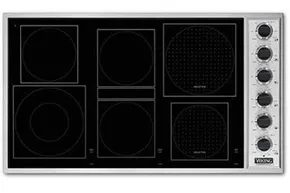
Most chefs are in crisis. It requires the instantaneous heat of the electric coil. You hate carpets. But when you see chefs searing things on YouTube, you suddenly find yourself dreaming of precise, responsive gas flames. Then reality hit. Do the gas pipes go through the wall? Too much work. Or maybe you already have gas, but it’s hard to reduce the heat enough to bring it to a slow boil without turning it off.
Cleanliness is the real key. Whether it’s a burned-out electrical coil or a large gas grill, scrubbing them can be a pain. Everyone says you should buy a stylish glass-ceramic table top. Easy to wipe. Look the part. But there is a third way. It’s faster than electricity. Feels like gas. Both are safer and easier to clean.
This is an induction stove.
The physics of electromagnetic induction
This is the deal. Traditional ovens are inefficient. They heat burners, heat boilers and heat food. A lot of energy goes into the air. Induction overtakes the middle man.
It uses electromagnetic power to directly heat cooking utensils.
Look at it this way. There is a copper coil under the surface of the glass. When it’s switched on, a variable magnetic field is created. The field penetrates through the metal plate. Inside the pot, electric currents are created, called eddy currents. Metal’s resistance to these currents produces heat.
The surface of the stove does not heat up due to the burner. The heat coming back from the pot makes it even hotter.
This is the same basic principle that large hydropower plants use to generate electricity. Hoover Dam used turbines and magnets. Magnets and coils are used in the kitchen. The scale is different. The same goes for physics.
Allows rapid warming. Allows precise control. You can boil the water in a few minutes. You can leave it to the boil and take the guesswork out. The surface of the glass remains relatively cool because it is not the primary source of heat.
Why you should consider switching
If you’re still skeptical, let’s take a look at the real benefits.
First, speed. Induction transfers energy more efficiently than any other method. Electric radiators lose heat to the surrounding air. The gas dissipates heat to the environment. Induction cooktops channel almost all of their energy directly into the pot. This means shorter boiling times and lower energy bills.
Second, safety. Open flames are prohibited. It does not have red glowing coils, so rubbing them with a brush can cause burns. When you remove the pot, the burner stops heating immediately. This is great for homes with children and pets.
- Cleaning. overflow? Wipe clean. The surface is even and smooth. There is no need to remove the grill. There is no space to cook food. A quick wipe with a damp cloth usually solves the problem.
But there’s a problem. Cooking utensils are important.
Choose compatible kitchen utensils
An induction stove requires a magnetic cookware. It works if a magnet sticks to the bottom of the pot. It is not good if it slips. Stainless steel works well. Cast iron technology. Some enameled cast products. Glass, copper, and aluminum usually do not work, unless the manufacturer adds a magnetic base.
Check your existing pot before buying a new one

